
Cast Iron vs Competition Care & Stomach Exercises Using Dumbbells
Expert maintenance for cast iron vs competition kettlebells, plus gear care for dumbbells used in stomach exercises to maximize home gym longevity.

Building a premium home gym in 2026 requires a significant financial investment, with free weight prices reflecting the high cost of metallurgy and durable coatings. Whether you are outfitting a garage gym with heavy cast iron or a dedicated studio space with precision steel, equipment longevity hinges entirely on your maintenance protocols. This guide breaks down the nuanced care requirements for the two dominant kettlebell styles—cast iron and competition—while addressing a frequently overlooked vulnerability: the rapid degradation of dumbbells subjected to the high-sweat, high-friction demands of core training.
The Great Kettlebell Divide: Cast Iron vs. Competition
Kettlebells are not universally manufactured. The maintenance required to keep them in pristine condition depends entirely on their construction material and intended use case. Understanding these differences is the first step in preventing catastrophic rust and coating failure.
Cast Iron Kettlebells: Porous Metal and Powder Coats
Cast iron kettlebells, such as the Rogue E-Coat or REP Fitness Cast Iron lines, are poured into molds as a single solid piece of iron. Because cast iron is inherently porous and highly susceptible to oxidation, manufacturers apply protective layers. Powder-coated bells offer a thick, textured barrier that resists scratches but can chip if dropped onto concrete, exposing the raw iron beneath. E-coat (electrophoretic deposition) models provide a thinner, smoother finish that preserves the tactile feel of the handle but requires more frequent oiling to prevent surface rust.
2026 Pricing Context: Expect to pay between $1.75 and $2.50 per pound for premium cast iron models. Replacing a severely rusted 32kg bell is a $120+ mistake.
Competition Kettlebells: Steel Shells and Precision Tolerances
Competition kettlebells, like those from Eleiko or Kettlebell Kings, feature a uniform physical dimension regardless of weight (typically 35kg maximum volume). They are constructed from a hollow steel shell filled with forged steel ball bearings or lead to achieve the target weight. The handles are usually unpainted, polished steel or lightly chromed to prevent chipping during high-rep snatches and cleans.
Failure Mode: The primary enemy of competition bells is not rust, but denting. Dropping a hollow steel shell on a hard surface can warp the flat base, causing the bell to wobble during renegade rows or push-ups. Furthermore, the steel handles will develop a patina of surface oxidation if not wiped down after use.
| Feature | Cast Iron Kettlebells | Competition Kettlebells |
|---|---|---|
| Material | Solid Cast Iron | Hollow Steel Shell + Fill |
| Coating | Powder Coat or E-Coat | Unpainted Steel / Light Chrome |
| Primary Threat | Chipping and Deep Rust | Denting and Surface Oxidation |
| Maintenance Frequency | Monthly Oiling / Spot Repair | Weekly Wipe-down / Bi-monthly Polish |
| Avg. Cost (2026) | $1.75 - $2.50 / lb | $3.50 - $5.50 / lb |
Dumbbell Care for Core Training: The Sweat and Knurling Problem
While kettlebells dominate ballistic movements, most lifters rely on dumbbells for targeted, weighted core work. When programming stomach exercises using dumbbells—such as weighted Russian twists, dumbbell pull-overs, goblet hold crunches, and weighted V-ups—your equipment is exposed to a unique and highly corrosive environment.
According to the American Council on Exercise (ACE) Exercise Library, core stabilization exercises often require prolonged gripping and high-repetition rotational movements. During stomach exercises using dumbbells, the lifter's hands sweat profusely, and the saline moisture is aggressively ground into the handle's knurling. Furthermore, exercises like dumbbell pull-overs or lying leg raises frequently result in the dumbbell heads making contact with the floor, bench, or mat.
⚠️ The Knurling Corrosion Trap:Chrome-plated hex dumbbells are notorious for trapping sweat deep within the diamond-pattern knurling. The saline solution breaks down the chrome layer, leading to "knurling rust." Once rust takes hold in the knurling, it cannot be polished out; the handle will permanently tear your calluses and stain your hands.
Choosing the Right Dumbbell for Core Work
If your training heavily features stomach exercises using dumbbells, material selection is critical for longevity:
- Urethane Dumbbells (e.g., Rogue Urethane, Eleiko): The gold standard for 2026. Urethane heads do not off-gas like cheap rubber, resist floor scuffs during lying core exercises, and feature stainless steel or hard-chrome handles that resist sweat corrosion. ($3.50 - $4.50/lb).
- Rubber Hex Dumbbells: Budget-friendly but prone to UV degradation and tearing if dragged across rough surfaces during renegade rows or plank variations.
- Neoprene/Antique Grey Iron: Best avoided for heavy core circuits. The painted handles chip rapidly when dropped onto hard floors between sets of weighted sit-ups.
The 2026 Weekly Maintenance Protocol
To maximize the lifespan of both your kettlebells and core-training dumbbells, implement this strict, three-step maintenance protocol. The National Strength and Conditioning Association (NSCA) frequently highlights that facility equipment longevity is directly tied to standardized cleaning regimens, a principle that applies equally to home gyms.
- Neutral pH Cleaning (Post-Workout): Never use bleach, ammonia, or harsh degreasers on free weights. These chemicals strip protective oils and accelerate oxidation. Use a microfiber cloth lightly dampened with a 50/50 mix of distilled water and white vinegar, or a dedicated gym wipe with a neutral pH. Wipe down competition kettlebell handles and dumbbell knurling immediately after performing stomach exercises using dumbbells.
- Rust Mitigation (As Needed): If you spot orange oxidation on a cast iron kettlebell or a chrome dumbbell handle, do not use a steel wire brush, which will destroy the remaining coating. Instead, apply a localized treatment of Evapo-Rust using a Q-tip or small rag. Evapo-Rust uses chelation to remove only the iron oxide without harming the base metal or surrounding paint.
- Micro-Oiling (Monthly): Cast iron kettlebells and unpainted competition handles require a protective lipid barrier. Apply three drops of 3-IN-ONE Multi-Purpose Oil or a specialized barbell oil (like F-ONE) to a nylon brush. Scrub the oil into the knurling and the bell's body, then wipe away all excess with a dry cloth. The goal is a microscopic protective film, not a greasy residue that will ruin your grip during heavy swings.
Environmental Edge Cases: Garage Gyms and Humidity
Where you store your free weights dictates your maintenance burden. Garage gyms subject equipment to extreme temperature fluctuations and high ambient humidity. When the temperature drops at night, moisture in the air condenses on the cold steel of competition kettlebells and the iron cores of rubber dumbbells.
"In unclimate-controlled environments, a cast iron kettlebell can develop surface flash-rust in as little as 48 hours if the powder coat is compromised. Always store your bells on a raised wooden or rubber rack, never directly on a concrete slab, which wicks moisture upward into the base of the weight." — Industrial Equipment Metallurgy Guidelines
For lifters performing stomach exercises using dumbbells on a garage floor, consider investing in a high-density EVA foam mat. Not only does this protect your spine during weighted crunches, but it also prevents the dumbbell heads from chipping their urethane or rubber coatings against the porous, moisture-holding concrete.
Summary Checklist for Longevity
Treating your free weights as precision instruments rather than blunt objects will save you thousands of dollars in replacement costs over the next decade. Respect the metallurgy, manage the sweat, and your gear will outlast your fitness journey.
- Cast Iron KBs: Inspect for powder coat chips monthly; touch up with rust-inhibiting enamel paint.
- Competition KBs: Never drop on concrete; oil the unpainted handles weekly to prevent patina.
- Core Dumbbells: Wipe knurling immediately after stomach exercises using dumbbells to prevent saline corrosion.
- Storage: Keep all weights elevated off concrete floors and out of direct UV sunlight to prevent rubber/urethane degradation.
More gear to consider
All reviews
Beyond Dumbbell Curls Women Use: Olympic Barbell Weight & Knurling

Power Rack vs Squat Stand: Dumbbell Wrist Twist & Setup Fixes

Rubber Hex vs Urethane: Maintenance for Dumbbell Flyes for Man Boobs

Beyond Dumbbell Swing Benefits: Rack Storage & Maintenance
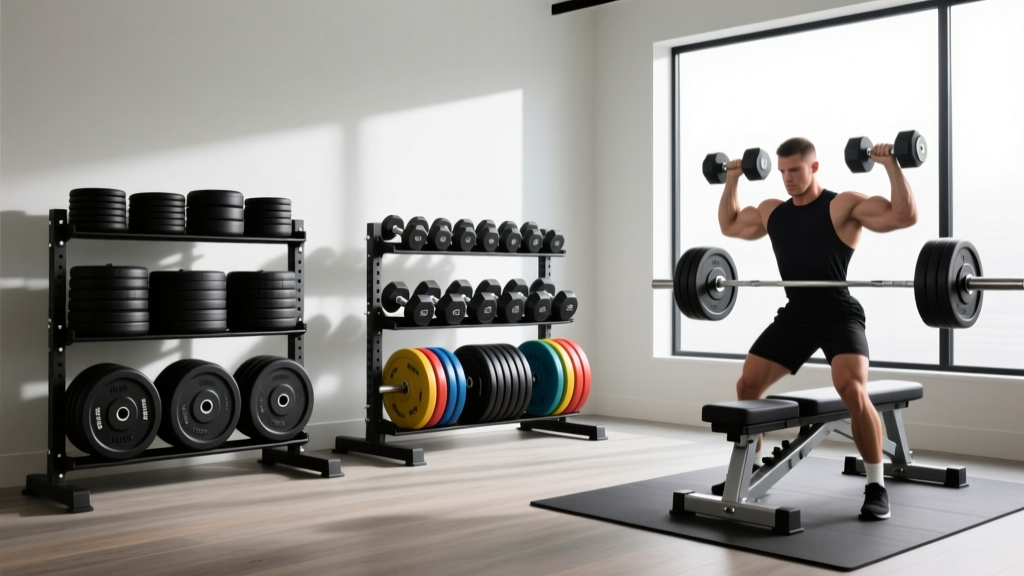
Gym Layouts: Bumper vs Iron Plates & Dumbbell Rows for Biceps
