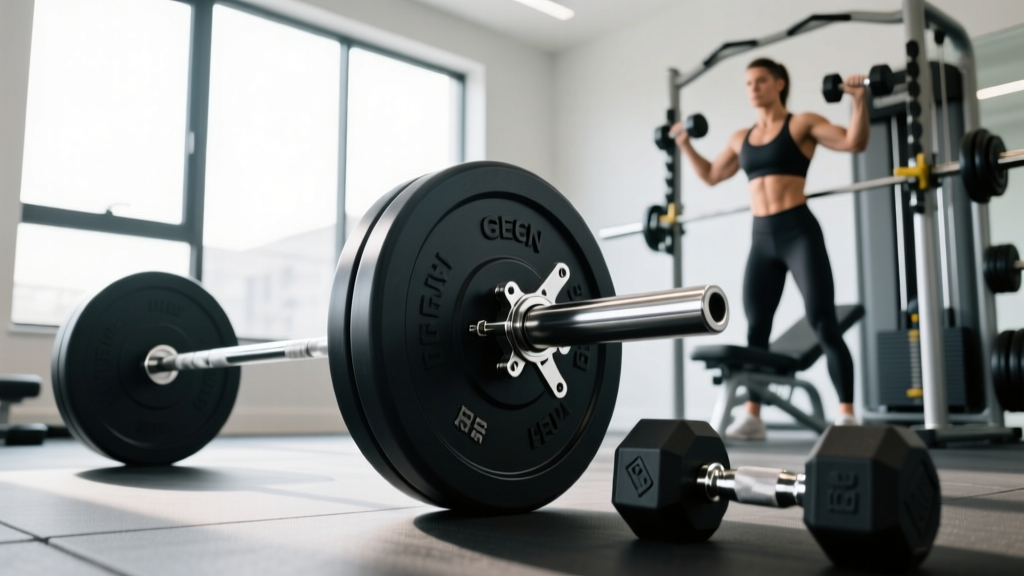
Barbell Collar Clamp Comparison: Dumbbell Reverse Fly Machine Safety
Master weight safety with our barbell collar and clamp types comparison. Learn to secure your barbell and dumbbell reverse fly machine setups properly.

The Hidden Danger of Unsecured Sleeves
Every beginner’s home gym journey begins with the excitement of loading plates, but few realize that the most critical piece of safety equipment isn't a spotting arm or a lifting belt—it is the humble barbell collar. An unsecured 45-pound plate sliding off a sleeve during a lift doesn't just ruin the set; it creates a catastrophic imbalance that can result in severe joint torque, dropped weights, or crushed toes.
This guide provides a comprehensive barbell collar and clamp types comparison, tailored specifically for beginners. We will also address a highly specific, often-overlooked edge case in home gyms: securing weights on plate-loaded isolation equipment, commonly searched by beginners as the dumbbell reverse fly machine (technically known as a plate-loaded rear delt fly). By the end of this guide, you will know exactly which collar to buy for every piece of equipment in your garage gym.
⚠️ Beginner Safety Warning
Never rely on the 'lip' of a barbell sleeve or a machine peg to hold plates in place. Even when lifting on the floor, the vibration from dropping weights can cause plates to 'walk' off the sleeve over time. Always use a collar.
Step-by-Step: How to Choose Your Collar Type
Before spending money, you need to understand the three primary collar mechanisms available in 2026. Your choice depends on your budget, the type of lifting you do, and the specific equipment you own.
1. Spring Collars (The Budget Standard)
These are the wire clips you squeeze together to slide onto the sleeve. While they are ubiquitous in commercial gyms, they are generally not recommended for serious home gym owners or beginners lifting without a spotter.
- Pros: Extremely cheap ($5–$10 per pair); lightweight.
- Cons: Metal fatigue causes them to lose tension over time; they slip easily on dusty or chalky sleeves; difficult to squeeze for users with weak grip strength.
- Best For: Light dumbbell work, temporary commercial gym use, or keeping plates organized on a storage tree.
2. Clamp / Lock-Jaw Collars (The Versatile Workhorse)
These utilize a plastic or nylon body with an internal rubber grip and a snapping latch mechanism. The Lock-Jaw Pro 2 is the industry benchmark in this category.
- Pros: Excellent grip; low profile (takes up less than 1 inch of sleeve space); very easy for beginners to apply and remove.
- Cons: Plastic hinges can crack after 3–5 years of heavy abuse or if left in extreme cold (like an unheated garage in winter).
- Best For: General barbell lifting, dumbbell conversions, and plate-loaded machines.
3. Lever / Competition Collars (The Heavy-Duty Anchor)
Machined from aluminum or steel, these collars use a mechanical lever to compress an inner ring against the sleeve. The Rogue Aluminum Collars and Eleiko Olympic collars are prime examples.
- Pros: Virtually indestructible; zero slip even during heavy Olympic drops; professional aesthetic.
- Cons: Expensive ($45–$85 per pair); heavy; bulky (consumes 2.5 inches of sleeve space, reducing your plate capacity).
- Best For: Heavy squats, deadlifts, Olympic weightlifting, and CrossFit-style dropping.
Comparison Matrix: Collar Specifications & Pricing
| Collar Type | Avg. Price (2026) | Sleeve Space Used | Grip Security | Beginner Friendly? |
|---|---|---|---|---|
| Spring Clip | $5 - $12 | 0.5 inches | Low | No (Grip fatigue) |
| Nylon Clamp | $20 - $30 | 0.9 inches | High | Yes |
| Aluminum Lever | $45 - $85 | 2.5 inches | Maximum | Yes |
| Spin-Lock (Threaded) | $15 - $25 | 2.0 inches | Medium | No (Slow to load) |
The "Dumbbell Reverse Fly Machine" Dilemma: Securing Plate-Loaded Isolation Gear
Here is where most beginner guides fail. When outfitting a home gym, many beginners search for a dumbbell reverse fly machine. Because true cable-driven rear delt machines are expensive, beginners often purchase plate-loaded rear delt fly machines (like the Titan Fitness Plate-Loaded Rear Delt or similar generic imports).
These machines feature short, rotating weight pegs rather than full-length barbell sleeves. This creates a unique mechanical problem:
📏 The Math of Machine Pegs vs. Collars
A standard Olympic barbell sleeve is 16.5 inches long. A plate-loaded reverse fly machine peg is typically only 4.0 to 5.0 inches long. If you use a bulky 2.5-inch competition lever collar, you are left with only 1.5 to 2.5 inches of space for plates. This barely accommodates a pair of 10-pound bumper plates, severely limiting your progressive overload.
The Solution: For any plate-loaded machine arm, you must use low-profile nylon clamp collars (like the Lock-Jaw) or specialized machine-peg spring clips. They secure the weight while leaving maximum room for the actual plates.
Step-by-Step Guide to Collaring a Barbell Safely
Using a clamp collar seems intuitive, but improper application is the leading cause of mid-set slippage. Follow this exact sequence:
- Wipe the Sleeve: Use a microfiber cloth to remove chalk, dust, and oil from the barbell sleeve. Expert Insight: Nylon clamp collars rely on friction. A layer of gym chalk acts like a lubricant, reducing grip strength by up to 40%.
- Load Tightly: Push your plates flush against the inner sleeve lip. Eliminate any gaps between the plates.
- Position the Collar: Slide the collar onto the sleeve so the rubber grip pads sit completely on the steel sleeve, not overlapping the edge of the outermost plate.
- Engage the Latch: Pull the strap tight and snap the lever down. You should hear a distinct 'click' and feel resistance.
- The Shake Test: Grab the collar and try to slide it inward. If it moves, release the latch, pull the strap one notch tighter, and re-engage.
Real-World Failure Modes & Troubleshooting
Even the best gear fails if misused. Here is a troubleshooting matrix for common collar issues:
| Failure Mode | Likely Cause | The Fix |
|---|---|---|
| Collar slides off during deadlifts | Chalk buildup on sleeve; worn internal rubber pads. | Clean sleeve with rubbing alcohol; replace collar if pads are smooth. |
| Lever collar won't lock | Debris in the cam mechanism; bent aluminum frame from dropping. | Blow out debris with compressed air; retire bent collars immediately. |
| Plates rattle on machine pegs | Using spring clips on thick bumper plates. | Switch to nylon clamps or use metal change-plates for tighter fits. |
Final Expert Recommendations by Budget
To wrap up, here is exactly what you should buy based on your current gym setup:
- For the Absolute Beginner (Budget: $25): Buy two pairs of standard nylon clamp collars. Keep one pair for your barbell and one pair dedicated to your plate-loaded machines (like your rear delt fly).
- For the Aspiring Powerlifter (Budget: $60): Invest in a pair of aluminum lever collars (e.g., Rogue AH-1 or Titan Latch Collars) for your heavy squats and bench presses, and a cheap pair of nylon clamps for accessories and machine work.
- For the Olympic Weightlifter (Budget: $80+): Purchase Eleiko or Uesaka competition collars. The precision machining ensures they will not damage your expensive barbells during high-impact drops from overhead.
Securing your weights is non-negotiable. Whether you are loading up a barbell for a heavy deadlift or pinning plates onto a dumbbell reverse fly machine setup, taking the extra five seconds to properly apply the right collar is the hallmark of a disciplined, safety-conscious lifter.
More gear to consider
All reviews
Loadable Dumbbells vs Fixed: Budgeting an Aerobic Dumbbell Workout
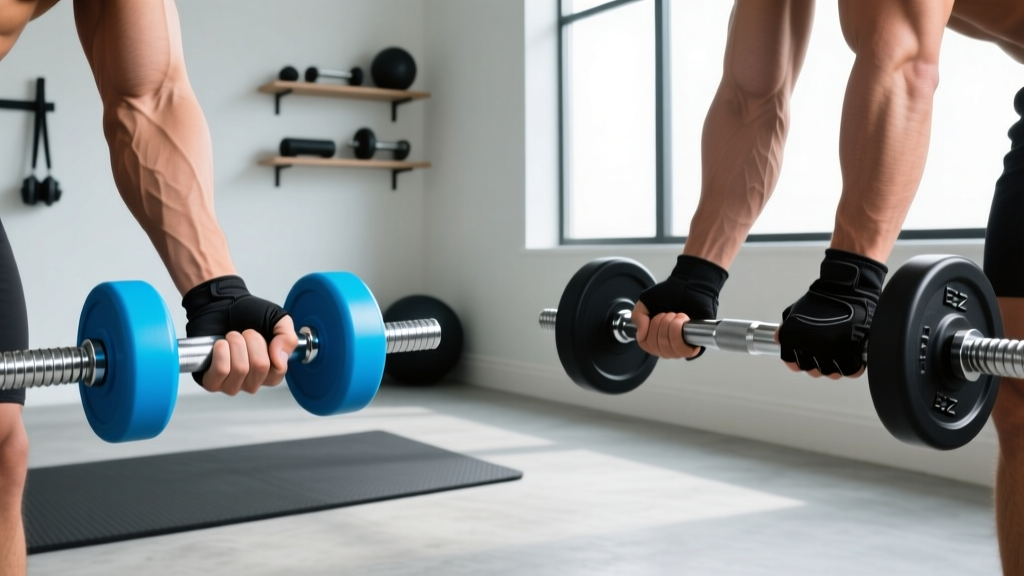
EZ vs Straight Bar: Upgrading Your Type of Dumbbell Curls Routine

Barbell Setup vs Dumbbell Exercises for Hamstrings: Weight Guide

Triangle Dumbbell vs Loadable Plates: 2026 Budget Guide
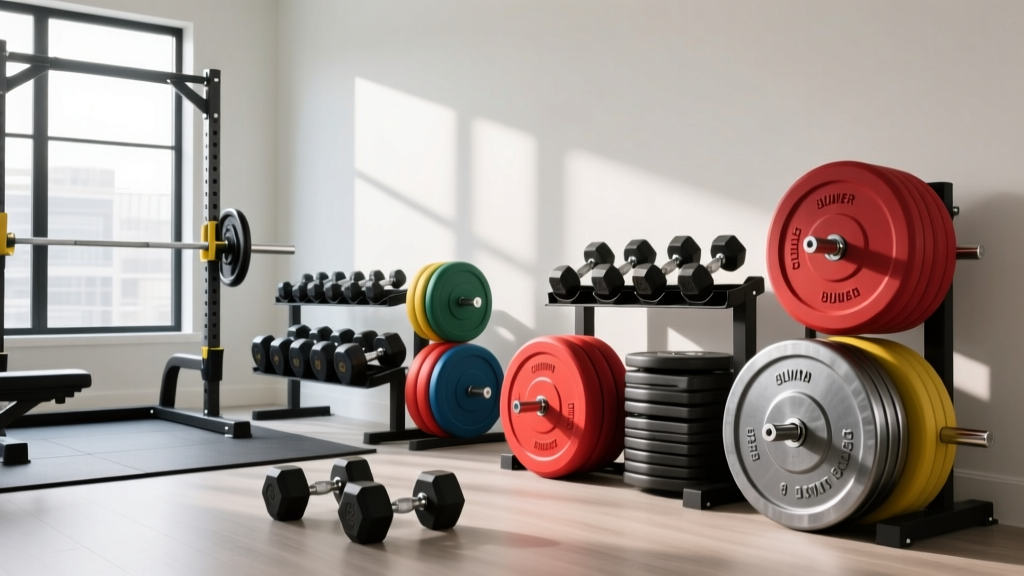
Bumper vs Iron Plates: Layouts for Good Back Exercises With Dumbbells
