Kettlebell Care: Cast Iron vs Competition & Dumbbell Good Mornings
Master cast iron vs competition kettlebell maintenance. Learn coating care, rust prevention, and grip tips for moves like dumbbell good mornings.

The Great Kettlebell Divide: Cast Iron vs. Competition Longevity
Investing in free weights in 2026 requires a strategic approach to equipment longevity. Kettlebells, in particular, represent a significant financial commitment, with premium models ranging from $1.50 to over $5.00 per pound depending on the construction and brand. Whether you are outfitting a commercial facility or a home garage gym, understanding the maintenance nuances between traditional cast iron kettlebells and uniform competition kettlebells is critical. According to Garage Gym Reviews, the coating and core material of a kettlebell dictate not only its lifespan but also its performance during high-friction ballistic movements.
Unlike barbells, which require meticulous knurl cleaning and sleeve oiling, kettlebell maintenance revolves around coating preservation, handle friction management, and environmental rust prevention. Below, we break down the exact care protocols for both styles, ensuring your equipment survives decades of heavy use.
| Feature | Cast Iron Kettlebell | Competition Kettlebell |
|---|---|---|
| Material | Single-piece cast iron | Hollow steel shell, welded |
| Handle Diameter | Variable (32mm - 38mm+) | Standardized (35mm or 33mm) |
| Common Coatings | Powder coat, E-coat, Urethane | Bare steel, zinc, or painted |
| Price Range (16kg) | $55 - $85 USD | $110 - $160 USD |
| Primary Maintenance | Rust prevention, coating touch-ups | Sweat removal, foot plug securing |
Cast Iron Longevity: Managing Coatings and Corrosion
Cast iron kettlebells are the workhorses of the fitness industry. Brands like Rogue Fitness utilize an E-coat (electro-coating) finish, which is incredibly thin and preserves the tactile feel of the iron, while companies like Rep Fitness prefer a textured powder coat for maximum chalk retention. Both are susceptible to environmental degradation if neglected.
E-coated and powder-coated bells do not require oiling like bare steel or black oxide barbells. However, the high humidity of a garage gym in 2026 can still cause micro-corrosion at the base or along the handle where the coating experiences micro-abrasions from repeated racking and dropping.
Step-by-Step Rust Remediation for Cast Iron
If you acquire a vintage bell or notice orange spotting on your E-coat, follow this remediation process:
- Isolate the Area: Use painter's tape to mask off any pristine coating surrounding the rust spot.
- Chemical Stripping: Apply a non-toxic rust remover like Evapo-Rust or soak a rag in white vinegar and wrap it around the affected area for 45 minutes.
- Mechanical Agitation: Use a brass wire brush (never steel, which will embed particles and cause more rust) to scrub the oxidized layer.
- Neutralize and Seal: Wipe clean with isopropyl alcohol, then apply a micro-thin layer of 3-IN-ONE oil or mineral oil to the bare spot to halt flash rusting.
Grip Fatigue & Hinge Mechanics: Kettlebell vs. Dumbbell Good Mornings
When programming posterior chain development, lifters and coaches frequently weigh the biomechanical differences between kettlebell hinges and dumbbell good mornings. While dumbbell good mornings allow for a wider stance and independent wrist rotation, they demand significant grip strength to prevent the bells from sliding down the thighs during the eccentric phase. Conversely, a kettlebell good morning or heavy swing centralizes the load, but places immense shearing force on the webbing of the hand.
This is where kettlebell handle maintenance directly intersects with performance and injury prevention. A pitted, poorly maintained cast iron handle will aggressively shred calluses during heavy hinges. In contrast, a properly maintained, chalk-friendly powder-coated handle ensures the bell stays locked in the hand without slipping. Furthermore, the fixed 35mm handle diameter of a competition bell contrasts sharply with the variable handle thickness of cast iron bells. For instance, a 48kg cast iron bell can feature a handle thickness exceeding 38mm. This thickness variance means your grip endurance will fail differently on a heavy kettlebell compared to the standardized 34mm handles of premium urethane dumbbells used for dumbbell good mornings. Maintaining the smooth, chalk-receptive surface of your kettlebell handle is non-negotiable for safely executing high-volume hinge patterns without tearing your hands.
Competition Kettlebell Maintenance: Preserving the Steel Shell
Competition kettlebells, governed by international standards for uniformity, are engineered with a hollow steel shell and an internal filler. Because every bell from 8kg to 32kg shares the exact same physical dimensions, the maintenance focus shifts entirely to the exterior steel and the structural integrity of the base.
The Foot Plug Dilemma
Every competition kettlebell features a hole in the base, sealed by a plastic or rubber foot plug. Over time, the repeated impact of setting the bell down on rubber horse-stall mats can loosen these plugs. A loose plug creates an annoying rattle and compromises the flat base, causing the bell to wobble during renegade rows or push-ups.
- The Fix: If a plug begins to back out, remove it completely. Apply a small bead of cyanoacrylate (super glue) or clear silicone adhesive to the outer rim, and press it firmly back into the cavity. Allow 24 hours to cure.
- Prevention: Avoid dropping competition bells from overhead. Unlike solid cast iron, the hollow steel shell of a competition bell can dent or crack at the weld points under extreme impact.
'Competition bells are precision instruments. Treat the steel shell like you would a car's chassis—wipe down sweat immediately to prevent zinc oxidation, and never leave them sitting in a puddle of water on the gym floor.' — Insights adapted from StrongFirst Equipment Standards
Chalk, Friction, and Coating Degradation
Magnesium carbonate (gym chalk) is essential for kettlebell sport and heavy ballistic lifts. However, chalk is inherently abrasive. Over months of use, the combination of sweat, chalk, and friction will polish the handle of a cast iron kettlebell, turning a rough powder coat into a slick, glossy surface. This 'polishing' effect ruins the handle's ability to grip chalk, making heavy snatches and cleans dangerous.
To restore the texture of a polished cast iron handle without destroying the coating, use a stiff nylon bristle brush and warm soapy water to deep-clean the pores of the powder coat. For severely polished handles, a very light scuffing with a green Scotch-Brite pad (used gently) can restore the microscopic peaks and valleys needed for chalk adhesion. As noted by ACE Fitness, proper grip security is paramount for maximizing the neuromuscular benefits of kettlebell training while minimizing joint strain.
Environmental Controls: Storage and Micro-Corrosion
The final pillar of kettlebell longevity is storage. Concrete floors act as moisture wicks, pulling humidity directly into the base of your bells. This is particularly devastating for competition bells, where internal moisture can cause the steel filler to expand and crack the shell from the inside out.
Best Practices for 2026 Garage Gyms
- Elevated Racking: Always store kettlebells on a dedicated steel or wood rack. If floor storage is mandatory, use interlocking EVA foam tiles or thick rubber mats to create a vapor barrier between the concrete and the iron.
- Desiccant Packs: For competition bells stored in humid environments, some elite gyms place large silica gel desiccant packs near the storage racks to control ambient moisture.
- UV Protection: If your gym receives direct sunlight, be aware that UV rays will degrade urethane-coated cast iron bells over time, causing the coating to chalk, fade, and eventually flake off the iron core.
By understanding the distinct material properties of cast iron versus competition steel, and by maintaining the handles to support demanding movements like dumbbell good mornings and heavy swings, you ensure your kettlebells remain safe, effective, and visually pristine for a lifetime of training.
More gear to consider
All reviews
Budget Guide: Bumper vs Iron Plate Comparison & 25 Pound Dumbbell Exercises
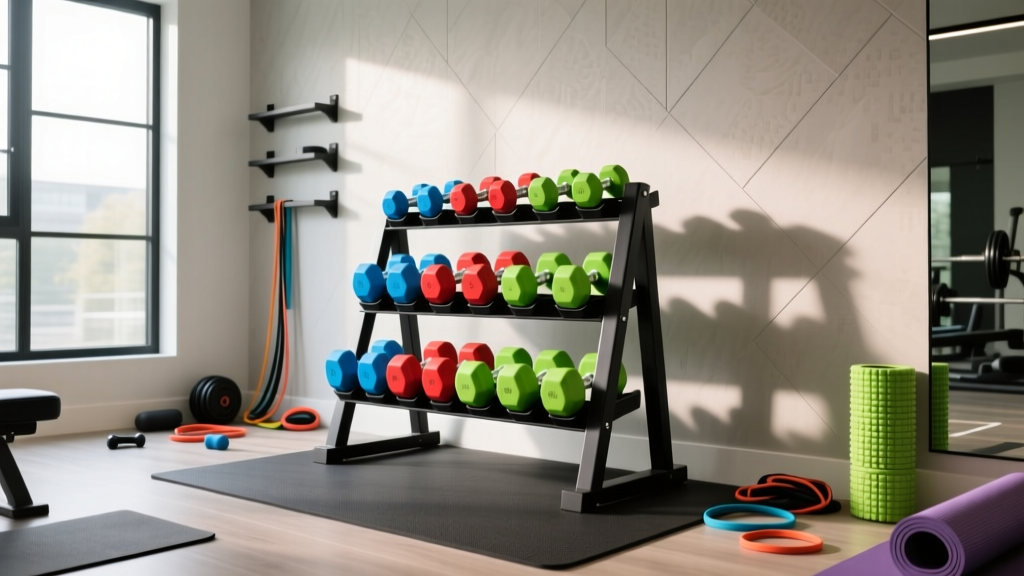
Space-Saving Storage to Elevate Your Home Dumbbell Workout

Bumper vs Iron Plate Care & Wegym SafeGrip Dumbbells Guide
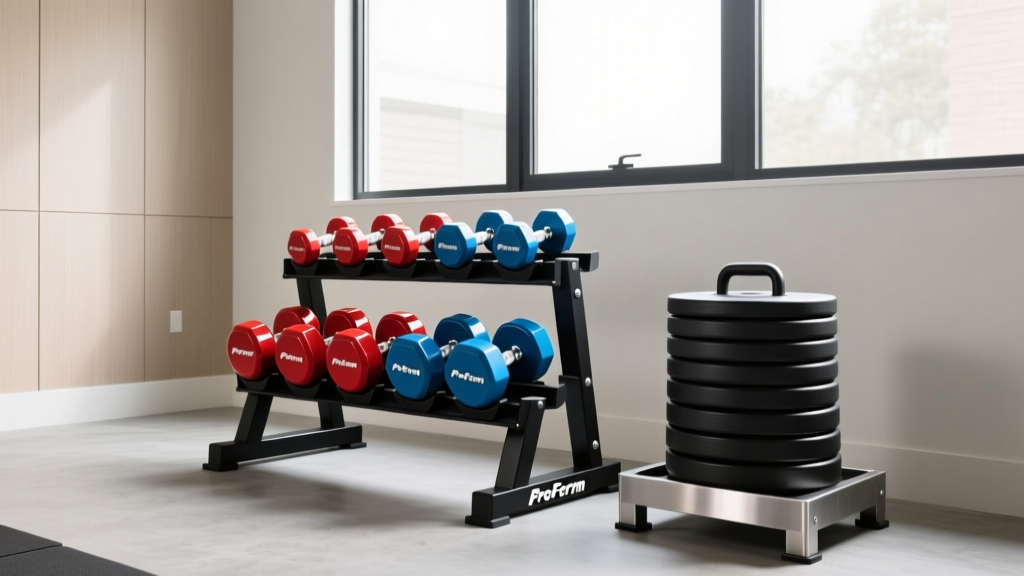
ProForm Dumbbell Set vs Loadable Plates: Space Layout Guide

McGregor Dumbbell Troubleshooting: Fixing Collar Slip & Grip Errors