How to Row Dumbbells: Neoprene Weight Mistakes and Fixes
Master the dumbbell row at home. Discover common mistakes when you row dumbbells with neoprene coated weights and learn expert troubleshooting fixes.

The Hidden Biomechanics of Neoprene Dumbbells
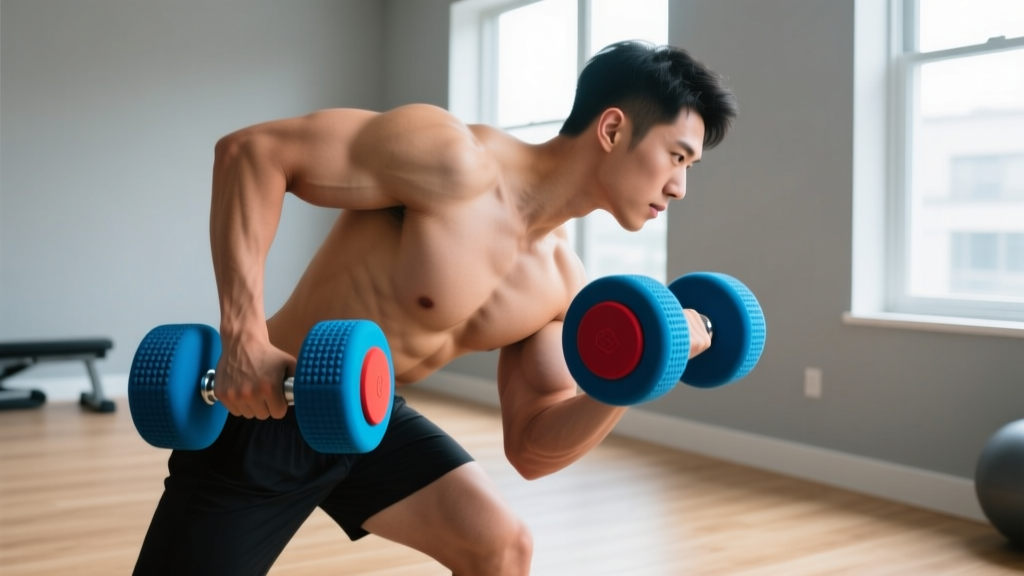
Neoprene-coated dumbbells are a staple in millions of home gyms. Their vibrant colors, floor-friendly hex bases, and accessible price points (typically $1.80 to $2.20 per pound as of 2026) make them the default choice for beginners. However, when you row dumbbells—a compound pulling movement demanding high grip endurance and precise scapular mechanics—the unique material properties of neoprene can introduce unexpected friction points, both literal and biomechanical.
Unlike bare steel or knurled chrome, neoprene (a synthetic chloroprene rubber) offers a smooth, matte finish that fundamentally alters grip dynamics. According to ExRx.net's kinesiology breakdown of the bent-over row, the latissimus dorsi and rhomboids are the primary movers, but grip strength is often the limiting factor in sustained time-under-tension. When your equipment fights your biomechanics, form breaks down, and the lower back takes the brunt of the load.
This troubleshooting guide dissects the most common mistakes lifters make when using fixed neoprene dumbbells for rowing movements, offering actionable, expert-level fixes to salvage your home workouts and protect your gear.
⚠️ Warning: The Sweat-Slick Failure PointNeoprene is a closed-cell foam. While this makes it water-resistant, it also means sweat pools on the surface rather than absorbing. During high-rep dumbbell rows, this creates a microscopic hydroplane effect, forcing you to over-grip and prematurely fatiguing your brachioradialis before your lats reach failure.
4 Critical Mistakes When You Row Dumbbells with Neoprene
1. Ignoring Handle Diameter and Torque Shifts
Most fixed neoprene dumbbells (like the ubiquitous CAP Barbell or Amazon Basics lines) feature a cast-iron core that is dipped in liquid neoprene. This dipping process adds 3mm to 5mm of thickness to the handle, pushing the diameter up to 32mm–35mm. By contrast, a standard Olympic barbell or high-end knurled dumbbell sits at 28mm–30mm.
The Mistake: Lifters attempt to hook their fingers around the thick neoprene handle using a standard false grip. The increased diameter shifts the center of mass away from the wrist joint, creating unwanted rotational torque during the concentric (pulling) phase of the row.
The Fix: Switch to a thumbless (suicide) grip or use lifting straps (like Versa Gripps or standard cotton loops) to bypass the thick handle. This removes the rotational torque and allows you to pull purely through the elbow, isolating the back musculature.
2. The 'Thigh-Kick' Seam Tear
Getting heavy dumbbells into the starting position for a chest-supported or bent-over row often requires resting the dumbbell on your thigh and 'kicking' it back.
The Mistake: Neoprene is highly susceptible to shearing forces. The seam where the metal handle meets the rubberized head is the weakest structural point. Repeatedly kicking a 25lb or 30lb neoprene dumbbell off the thigh will eventually tear the neoprene, exposing the raw cast iron underneath, which will then rust and stain your floors.
The Fix: Never use your legs to launch fixed neoprene weights. Instead, deadlift the weights to the hip-hinge position, or perform chest-supported rows on an incline bench where you can safely rack and unrack the weights at chest height without leg assistance.
3. Asymmetrical Pulling Due to Hex-Base Resting
Hexagonal dumbbells are designed not to roll. However, the neoprene coating wears down unevenly over time, particularly on the bottom edges.
The Mistake: When performing single-arm rows resting your non-working hand on a bench, lifters often let the working dumbbell hang. If the hex base has worn unevenly, the dumbbell will subtly twist in the hand, pulling the shoulder into internal rotation and compromising ACE Fitness guidelines on spinal neutrality and scapular tracking.
The Fix: Inspect the bottom flats of your neoprene dumbbells every 6 months. If the neoprene is compressed or torn on one side, rotate the dumbbell in your hand to find a true flat, or upgrade to a urethane-coated hex dumbbell which resists compression deformation.
4. Outgrowing the Weight Without Progressive Overload
Neoprene sets are rarely manufactured above 20 or 25 pounds per dumbbell because the physical size of the rubber head becomes unwieldy.
The Mistake: Home gym owners stick to 15lb neoprene dumbbells for rows, compensating for the lack of load by doing 40+ reps or using excessive momentum (jerking the torso). This turns a hypertrophy movement into a sloppy cardiovascular drill, risking lumbar strain.
The Fix: Implement mechanical drop sets. Once you max out your neoprene weight limit, alter the leverage. Move from a bilateral bent-over row to a single-arm supported row, then to a slow-eccentric (4-second negative) row. Once you can control a 4-second negative with your heaviest neoprene pair for 12 reps, it is time to change equipment.
Material Breakdown: Troubleshooting Neoprene Degradation
Neoprene is vulnerable to two primary environmental factors in a home gym: UV radiation from sunlight and the acidic pH of human sweat. Over 12 to 18 months, you may notice the coating becoming sticky, chalky, or flaking.
"Once the chemical bonds in chloroprene rubber begin to break down from UV exposure, the material cannot be reversed. You can only seal it to prevent further degradation and protect your flooring." — Materials Science in Fitness Equipment, 2025 Industry Report
Step-by-Step Neoprene Repair Protocol
If your favorite rowing dumbbells are flaking or tearing at the handle seam, do not throw them away. Follow this restoration process:
- Degrease: Wipe the dumbbell down with isopropyl alcohol (70% or higher) to strip away body oils and sweat residue. Let it dry for 15 minutes.
- Sand the Seam: Use 220-grit sandpaper to lightly rough up the area where the neoprene meets the metal handle. This creates a mechanical bond for the adhesive.
- Apply Liquid Rubber: Use a flexible rubber coating like Performix Plasti Dip or Flex Seal. Apply a thin layer over the torn seam using a small foam brush.
- Cure Time: Allow the dumbbell to cure in a dry, climate-controlled room for 24 hours before attempting to row dumbbells with it again. Do not expose it to direct sunlight during curing.
Comparative Analysis: Is Neoprene Right for Heavy Rows?
If you are serious about back development, you must evaluate whether your gear is holding you back. Below is a structural comparison of common home dumbbell coatings specifically for rowing mechanics.
| Material | Avg. Cost (per lb) | Grip Friction (Sweaty) | Handle Thickness | Durability for Rows |
|---|---|---|---|---|
| Neoprene | $1.80 - $2.20 | Low (Becomes slick) | Thick (32mm+) | Poor (Seams tear) |
| Virgin Rubber | $2.50 - $3.00 | Medium | Medium (30mm) | Good (Odor issues) |
| Urethane | $3.50 - $5.00 | High (Knurled steel core) | Standard (28-30mm) | Excellent (Indestructible) |
| Adjustable (Steel) | $3.00 - $4.00 | Very High (Knurled) | Standard (28mm) | Excellent (Space-saving) |
The Progression Framework: When to Upgrade Your Home Rack
If you have mastered the row dumbbells technique with your 15lb neoprene set and require progressive overload, it is time to reinvest in your home gym. As of 2026, the most cost-effective and biomechanically sound upgrade path for home rowing is an adjustable dumbbell system with a knurled steel handle.
- Budget Tier ($250 - $300): Yes4All Adjustable Dumbbells (5-52.5 lbs). Features a traditional knurled steel handle and a dial system. Excellent for single-arm rows, though the physical length of the dumbbell at higher weights can slightly interfere with the bottom of the range of motion.
- Mid-Tier ($350 - $400): PowerBlock Sport 24 or Elite. The cage design keeps the center of mass incredibly compact, making it the superior choice for heavy, strict bent-over rows where clearance from the torso is vital.
- Premium Tier ($400+): Bowflex SelectTech 552. While slightly longer, the handle grip and smooth weight transition make it a reliable staple for high-volume hypertrophy rowing blocks.
Final Thoughts on Home Rowing Mechanics
Neoprene dumbbells are an excellent entry point for general fitness, lateral raises, and goblet squats. But when you row dumbbells, the demands on grip strength, handle ergonomics, and structural integrity increase exponentially. By recognizing the limitations of closed-cell foam coatings, adjusting your grip to mitigate torque, and knowing exactly when to transition to knurled steel or urethane, you can ensure your back development never stalls due to equipment limitations. Maintain your gear, respect the biomechanics, and pull with purpose.
More gear to consider
All reviews
Past the Heaviest Dumbbell Curl: Bumper vs Iron Plate Value Guide
How to Train Forearms With Dumbbells & Barbell Collar Types
Bumper vs Iron Plates for a Dumbbell Chest and Back Workout Setup

Olympic vs Standard Plates: M27 Dumbbell Nebula Guide

Power Rack, Squat Rack or Stand for Back Lifts With Dumbbells