
EZ Curl Bar vs Straight Bar: Space Layouts & Dumbbell Snatches
Compare EZ curl bar vs straight bar footprints. Learn space-saving gym layouts that clear floor area for explosive dumbbell snatches and dynamic lifts.

The Spatial Dilemma: 7-Foot Bars vs. Compact Gym Layouts
Designing a highly functional home gym in 2026 requires a ruthless approach to space optimization. Every square foot of floor space must serve a distinct purpose, especially when balancing heavy static lifts with explosive, dynamic movements. One of the most common spatial conflicts arises when lifters try to accommodate both traditional barbell accessory work and Olympic-style variations. Specifically, the debate between the EZ curl bar vs straight bar is no longer just about wrist biomechanics; it is fundamentally a question of floor plan efficiency and storage footprints.
A standard Olympic straight bar measures 2200mm (86.6 inches) in length and requires a minimum of 7 feet of lateral clearance to be used safely. When paired with a standard power rack, such as the popular 48-inch deep models, the straight bar dictates the entire geometry of the room. Conversely, an EZ curl bar typically measures between 47 and 50 inches, allowing for modular storage and freeing up critical floor space. This reclaimed space is essential if your programming includes wide-stance, explosive movements like dumbbell snatches, which demand a dedicated, unobstructed drop zone.
Clearance Requirements for Explosive Movements
According to facility guidelines published by the National Strength and Conditioning Association (NSCA), explosive overhead movements require a minimum of 6 feet by 6 feet of clear floor space per athlete to account for lateral deviation and emergency drops. When you perform dumbbell snatches, the kinetic chain involves a violent triple extension of the hips, knees, and ankles, followed by an overhead catch. If a miss occurs, the dumbbell is often discarded laterally. If a 7-foot straight barbell is resting on the floor, or protruding from J-cups on a nearby rack, it transforms from a piece of equipment into a severe tripping and ankle-rolling hazard.
EZ Curl Bar vs Straight Bar: The Storage Footprint Matrix
To understand how your barbell choice impacts your gym's layout, we must look beyond the lift itself and analyze the storage hardware. In a space-optimized garage gym, horizontal storage is the enemy. Below is a comparative matrix detailing the spatial impact of both bars.
| Feature | Straight Olympic Bar | EZ Curl Bar | Space Optimization Impact |
|---|---|---|---|
| Total Length | 86.6 inches (2200mm) | 47.25 inches (1200mm) | EZ bar fits in standard wall closets or tight alcoves. |
| Standard Storage | Floor stand or Rack J-cups | Wall-mounted hanger | Wall-mounting an EZ bar reclaims 4+ sq ft of floor space. |
| Rack Depth Required | 24 to 48 inches | N/A (Can use squat stands) | EZ bar allows for 24-inch compact stands, pushing the rack flush to the wall. |
| Lateral Clearance | 7+ feet | 4 feet | EZ bar allows placement in narrow corridors or beside doorways. |
| Primary Use Case | Squats, Deadlifts, Presses | Curls, Skullcrushers, Upright Rows | Using EZ for accessories keeps the main rack clear for heavy compounds. |
Designing the Drop Zone: Accommodating Dumbbell Snatches
When programming dumbbell snatches in a compact environment, the layout must prioritize the 'drop zone'. A single-arm dumbbell snatch with a 50lb to 80lb dumbbell generates immense downward and outward force upon a missed lift or the eccentric lowering phase.
⚠️ Layout Safety Warning: Never store your straight Olympic barbell on a floor-mounted 2-bar holder in the center of your gym. During high-fatigue dumbbell snatches, foot placement shifts unpredictably. A floor bar creates a 7-foot tripwire. Always utilize vertical wall storage or sleeve-load the bar entirely inside the rack uprights when not in active use.By swapping out your straight bar for an EZ curl bar during arm and accessory blocks, you can utilize a pair of 24-inch deep squat stands (like the Rogue S-Series Squat Stands) instead of a massive 48-inch power cage. This pushes your rig flush against the wall, opening up the center of the room. This central void becomes your dedicated platform for dumbbell snatches, kettlebell swings, and lateral lunges, maximizing the utility of a 200-square-foot garage.
Vertical Storage Solutions for EZ Bars
The true spatial advantage of the EZ curl bar is its compatibility with vertical wall mounts. Hardware such as the Rogue Wall Mount Bar Holder allows you to store the EZ bar vertically, occupying less than 6 inches of protruding wall space.
- Dead Space Utilization: Mount the hanger on the wall directly behind your folding rack or in the narrow gap between your rack and the doorway.
- Weight Plate Integration: Many 2026 wall-mount designs include integrated pegs, allowing you to store the EZ bar and its dedicated 10lb and 25lb fractional plates in a single 12x12 inch wall footprint.
- Ceiling Clearance: Ensure your vertical mount is placed at least 50 inches from the floor to allow the bar to slide in without hitting baseboards or nearby flooring seams.
Biomechanical Trade-Offs in Confined Spaces
While space optimization heavily favors the EZ curl bar for accessory storage, we must address the biomechanical reality of the lifts. According to ExRx biomechanical breakdowns, the angled grips of an EZ bar place the wrists in a semi-supinated position, reducing radioulnar joint stress during heavy isolation work. However, it slightly shifts the load emphasis from the short head of the biceps to the brachialis and brachioradialis.
'In a space-constrained gym, the EZ bar is the ultimate modular tool. It allows the athlete to perform heavy tricep extensions and bicep curls outside of the main power rack, keeping the 7-foot straight bar permanently racked and ready for heavy squats without requiring constant bar-swapping.'
— 2026 Home Gym Layout & Ergonomics Report
If your primary goal is strict, heavy straight-bar curling or Olympic weightlifting, the straight bar is non-negotiable. But if your straight bar is strictly reserved for the 'Big Three' (Squat, Bench, Deadlift), using an EZ bar for all upper-body accessories is a massive spatial win. It prevents the 'barbell bottleneck' where a lifter must strip 300lbs of plates off a straight bar just to perform a set of skullcrushers, a process that wastes time and scatters weight plates across the floor, further encroaching on your dumbbell snatch drop zone.
The 2026 Compact Gym Blueprint: Step-by-Step
To successfully integrate both barbell accessories and explosive dumbbell work, follow this spatial blueprint:
- Anchor the Rack to the Wall: Bolt a folding or 24-inch deep rack to your primary wall. This creates a hard boundary, preventing the rack from migrating into the center of the room.
- Define the 6x6 Drop Zone: Lay down a 4x8 foot rubber horse-stall mat directly in front of the rack. Tape the remaining 2 feet of the 6x6 zone with high-visibility gym tape. This is your strict boundary for dumbbell snatches.
- Implement Vertical EZ Storage: Mount an EZ bar hanger on the adjacent side wall, exactly 48 inches off the ground. Store your EZ bar and a pair of 24-inch dumbbells on a nearby vertical dumbbell rack to keep the floor entirely clear.
- Manage the Straight Bar: When not squatting or deadlifting, the straight bar must be stored either vertically in a corner sleeve holder or horizontally inside the rack's uprights, ensuring no sleeves protrude past the rack's footprint.
Frequently Asked Questions
Can I perform dumbbell snatches inside a standard power rack?
While possible, it is not recommended for space optimization or safety. A standard power rack is 48 inches deep and 48 inches wide. The lateral movement and overhead catch of a dumbbell snatch require more width than the interior of the rack provides. Furthermore, missing a lift inside a rack risks damaging the uprights or dropping the dumbbell on the rack's crossmembers. An open floor plan, achieved by storing secondary bars like the EZ curl bar on the wall, is vastly superior.
Is an EZ curl bar heavy enough for advanced lifters?
Most high-quality Olympic EZ curl bars weigh between 15 lbs and 25 lbs and have a sleeve length capable of holding up to 200+ lbs of bumper or iron plates. For isolation movements like curls and tricep extensions, this capacity is more than sufficient for 99% of lifters, making it a highly viable space-saving alternative to the 45lb straight bar.
How do I protect my walls when storing bars vertically?
When mounting vertical bar hangers, always anchor them directly into wooden wall studs using 3/8-inch lag screws, not drywall anchors. The dynamic load of sliding a 35lb steel bar into the mount can easily rip drywall anchors out over time. Place a thin strip of UHMW plastic on the wall behind the bar sleeve to prevent the steel knurling or zinc coating from scuffing your paint.
More gear to consider
All reviews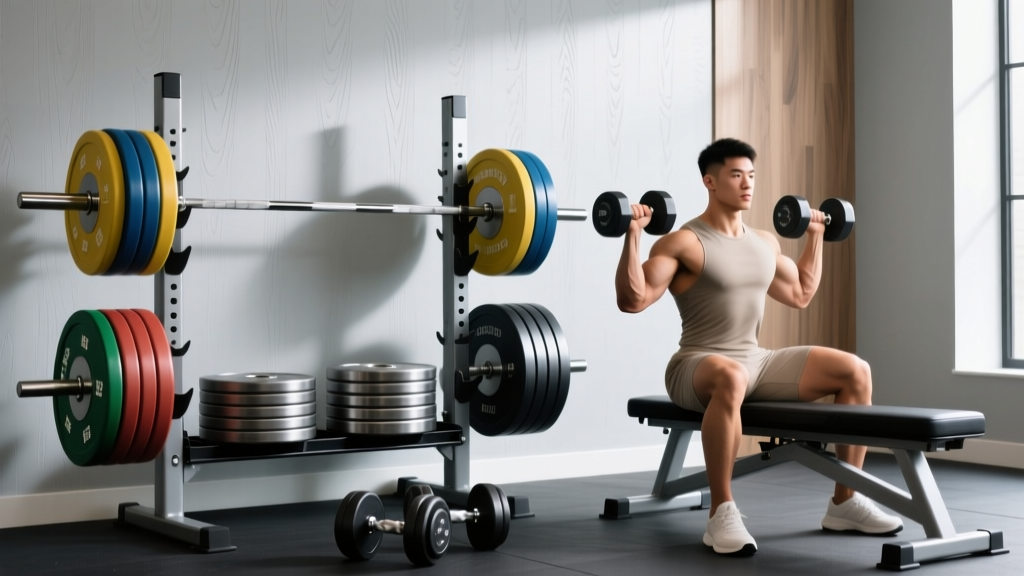
Olympic vs Standard Plates Setup & Seated Dumbbell Side Raises
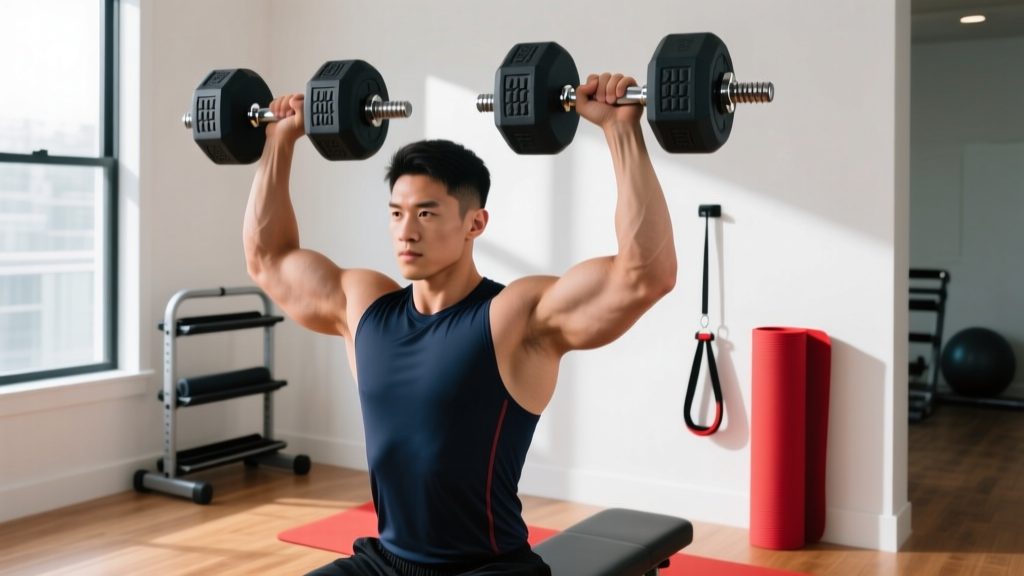
Master the Neoprene Dumbbell Press Workout: Mistakes & Fixes

Dumbbell Butterfly Mistakes and Neoprene Troubleshooting Guide

Step-by-Step Dumbbell Exercises for Strength Using Neoprene Sets
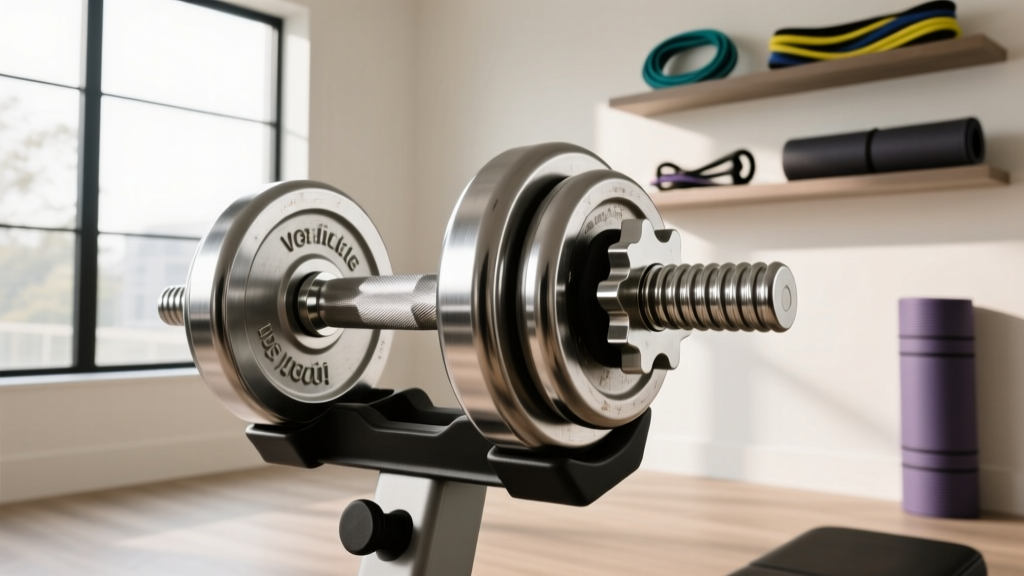
Loadable Dumbbell vs Dumbbell Machine: Maintenance & Care Guide
