Beyond Dumbbell Exercises for Fat Loss: Barbell Collars Compared
Transitioning from dumbbell exercises for fat loss to barbell training? Compare spring, lock-jaw, and clamp collars in this beginner step-by-step guide.

The Bridge from Dumbbells to Barbells: Why Collars Matter
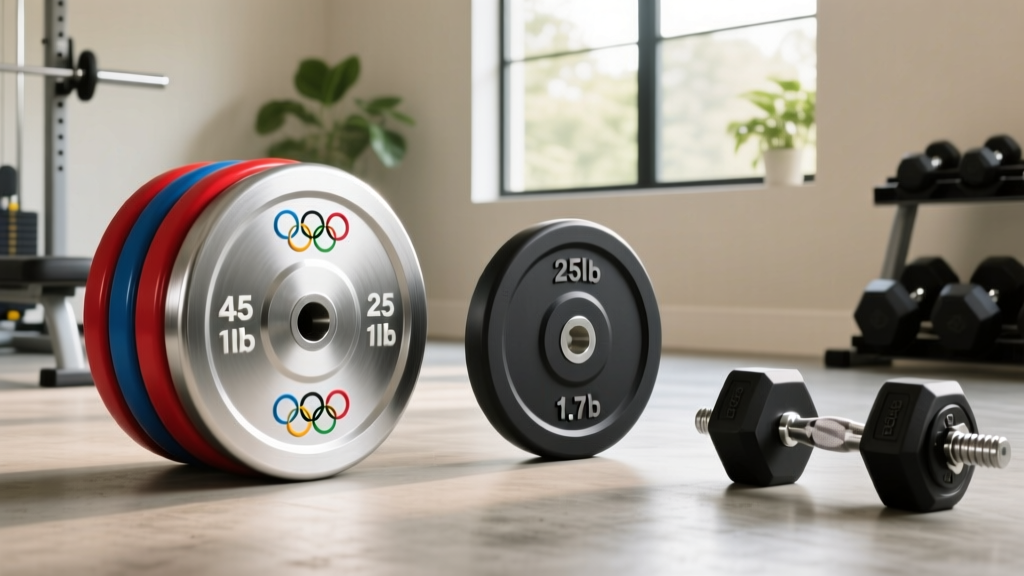
When you first begin your fitness journey, dumbbell exercises for fat loss—such as high-rep thrusters, renegade rows, and goblet squat circuits—are incredible tools. They build a baseline of cardiovascular endurance, correct muscular imbalances, and require minimal spatial footprint. However, as your central nervous system adapts and your metabolic conditioning improves, you will inevitably hit a loading ceiling. To continue driving muscle retention and metabolic demand, you must transition to heavier, bilateral barbell compound lifts like squats, deadlifts, and Olympic variations.
This transition introduces a critical, often overlooked piece of equipment: the barbell collar. A barbell without a collar is essentially a giant, unstable lever. If a plate shifts during a heavy back squat or a dynamic power clean, the resulting asymmetrical load can cause catastrophic bar whip, leading to severe spinal or joint injuries. In this step-by-step guide, we will break down the exact types of barbell collars available in 2026, helping you secure your setup safely and effectively.
💡 The 2-Inch Olympic Standard
Before purchasing collars, verify your barbell's sleeve diameter. Standard Olympic barbells feature sleeves that are exactly 50mm (approx. 1.97 inches) in diameter and typically 16.3 inches long. All premium collars discussed in this guide are engineered specifically for this 50mm tolerance. Standard 1-inch barbells require entirely different, mostly obsolete friction clips.
Step 1: Understand the Three Main Collar Categories
The fitness equipment market has evolved significantly. According to BarBend's comprehensive lifting safety reviews, collars generally fall into three distinct mechanical categories, each with specific use cases, price points, and failure modes.
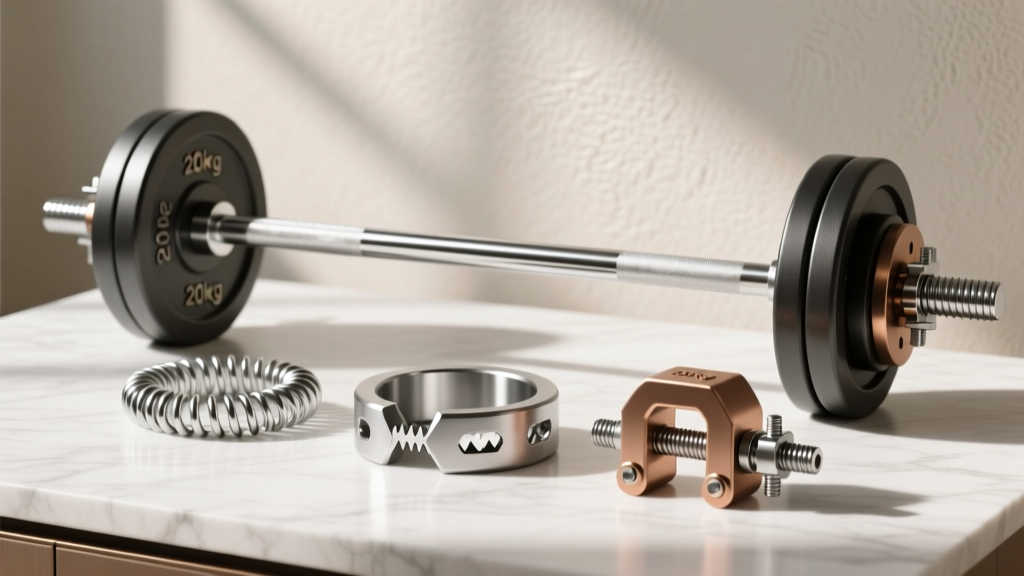
1. Spring Clips (The Budget Beginner Option)
These are the traditional chrome-plated steel clips you squeeze together to slide onto the barbell sleeve. They rely on the outward tension of the coiled steel to grip the bar.
- Average Price: $8 - $15 per pair
- Weight: ~0.2 lbs per collar
- Best For: Static, slow-tempo lifts (bench press, strict presses, basic deadlifts) where the bar does not leave the ground or experience high-velocity deceleration.
- Primary Failure Mode: Metal fatigue. Over time, the spring loses its tensile memory. Furthermore, they offer zero lateral lock; a dropped barbell will easily shake a spring clip loose, sending plates sliding off the sleeve.
2. Lever Clamps / Lock-Jaw Collars (The Home Gym Standard)
As of 2026, high-density resin and urethane-lever clamps are the undisputed kings of the commercial and home gym. These collars feature an inner ring lined with high-friction TPU (Thermoplastic Polyurethane) and a heavy-duty cam lever that clamps down, locking the collar flush against the weight plates.
- Average Price: $25 - $40 per pair
- Weight: 0.44 lbs to 0.6 lbs per collar
- Best For: CrossFit-style WODs, powerlifting, drop sets, and general strength training. They withstand moderate drops from the shoulder or hip.
- Primary Failure Mode: Plastic housing fracture if dropped repeatedly from overhead onto bare concrete (always use horse-stall mats or rubber drop pads). Additionally, chalk buildup inside the TPU lining can reduce friction over time.
For instance, the Rogue HG 2.0 Collars feature a proprietary glass-filled nylon body and an integrated tab that prevents the lever from accidentally bumping open during burpee-barbell complexes.
3. Competition Weightlifting Collars (The Elite Tier)
If you are transitioning into competitive Olympic weightlifting (snatches, clean and jerks), you need IWF-approved metal collars. These do not just secure the plates; their specific weight is calculated into the total barbell load.
- Average Price: $90 - $160+ per pair
- Weight: Exactly 2.5 kg (5.51 lbs) per collar
- Best For: Olympic weightlifting, heavy dropping from overhead, sanctioned meets.
- Primary Failure Mode: User error. They require a specific tightening sequence and an Allen key or specialized tightening tool to achieve the necessary torque against the steel sleeve.
As noted in Eleiko's official IWF equipment specifications, competition collars feature precision-machined steel interiors with dual-locking mechanisms to ensure absolute zero-slip during the violent deceleration of a dropped snatch.
Step 2: Barbell Collar Comparison Matrix
Use this data table to make an informed purchasing decision based on your specific training modality.
| Collar Type | Popular 2026 Model | Price Range | Lateral Grip | Overhead Drop Safe? |
|---|---|---|---|---|
| Spring Clip | Generic Chrome Clip | $8 - $15 | Poor | No |
| Lever Clamp | Rogue HG 2.0 / Lock-Jaw Pro | $28 - $38 | Excellent | Yes (on rubber mats) |
| Competition | Eleiko IWF / Proloc 1000 | $110 - $160 | Absolute | Yes |
Step 3: Step-by-Step Guide to Loading and Securing
Even the best clamp will fail if applied incorrectly. Follow this standardized loading protocol to ensure maximum safety and barbell balance.
- Load Symmetrically: Always load plates one side at a time if the bar is in a rack, but if the bar is on the floor, load the heaviest plates first, pushing them flush against the inner sleeve shoulder. Alternate sides for lighter plates to prevent tipping an unracked bar.
- Wipe the Sleeve: Use a microfiber cloth to wipe excess chalk and sweat off the 50mm steel sleeve. Chalk acts as a dry lubricant and will severely compromise the TPU grip of lever clamps.
- Position the Collar: Slide the collar onto the sleeve until it makes physical contact with the outermost weight plate. Do not leave a gap.
- Engage the Lock:
- For Lever Clamps: Squeeze the trigger, push the collar flush, and snap the cam lever down. You should feel a distinct, tight mechanical 'click'. If the lever closes too easily, the collar is worn out or not flush against the plate.
- For Competition Collars: Slide the collar on, hand-tighten the outer ring, and use the tightening tool to lock the inner wedge mechanism.
- The 'Shake Test': Grab the outermost plate and attempt to wiggle it laterally. If there is any audible clanking or lateral movement, re-seat the collar.
⚠️ Edge Case Warning: The 'Bar Whip' Effect
When performing high-rep deadlifts or Olympic lifts, the barbell bends (whips) upon impact with the floor. This bending temporarily shrinks the microscopic diameter of the steel sleeve. If your collar is loose, this momentary shrinkage allows the collar to slip outward by a millimeter. Over a 50-rep set, this compounds, resulting in plates falling off. Always use lever clamps or competition collars for high-impact floor work.
Step 4: Maintenance and Longevity
To protect your investment and ensure your collars survive years of heavy training, implement these simple maintenance habits:
- Clean the TPU Lining: Once a month, use a soft-bristle brush and a mild degreaser to clean the inner rubber lining of your lever clamps. Restoring the tackiness of the rubber ensures a vice-like grip on the steel sleeve.
- Avoid UV Degradation: If you train in an outdoor garage gym, do not leave resin/plastic clamps in direct sunlight. UV exposure will make the ABS plastic brittle over 12 to 18 months, leading to catastrophic hinge failure during a heavy squat.
- Lubricate Spring Clips (If you must use them): If you are temporarily using spring clips for bench pressing, apply a drop of 3-in-One oil to the coil hinge to prevent rust and ensure smooth application, but keep the oil strictly away from the gripping teeth.
Final Thoughts on Your Training Evolution
Moving beyond dumbbell exercises for fat loss into the realm of heavy barbell training is a milestone that signifies serious dedication to your physical development. However, with heavier loads comes a non-negotiable responsibility to respect the physics of the equipment. By investing $30 in a high-quality pair of lever clamps like the Rogue HG 2.0 or Lock-Jaw Pro, you are not just buying a piece of plastic and rubber; you are buying the peace of mind required to push your central nervous system to its absolute limits safely. Load smart, clamp tight, and lift heavy.
More gear to consider
All reviews
Upper Body Dumbbell Workout Women: Loadable Dumbbell Maintenance Guide

Rack Storage & Care Tips for Heavy Leg Lunges With Dumbbells

Barbell Collar & Clamp Types: Securing the Dumbbell Lateral Fly

Rubber Hex vs Urethane: The Best Reverse Pec Deck Dumbbell Setup
Storage Layouts for Different Types of Dumbbell Workouts