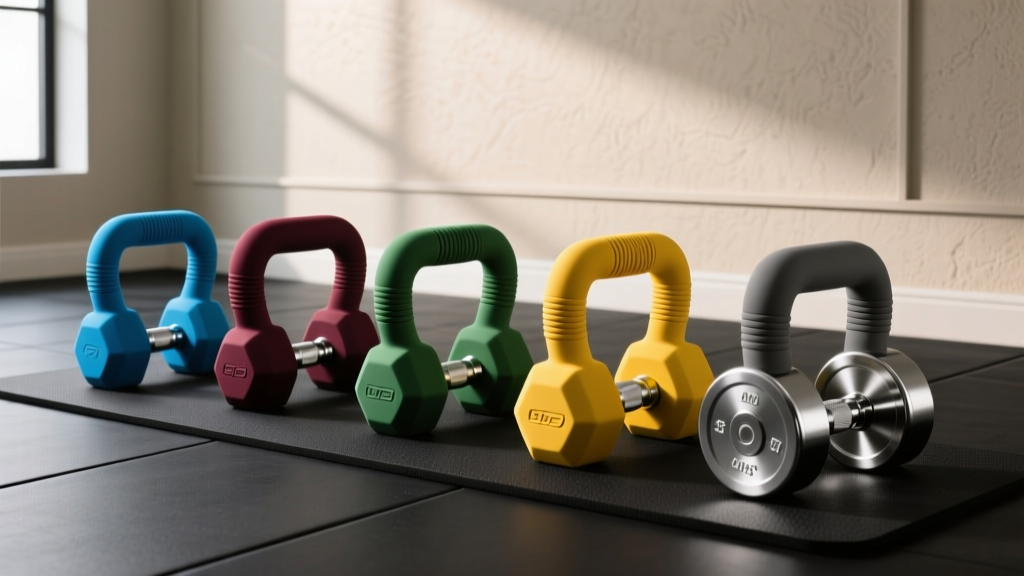
What Happens If I Do Dumbbells Everyday? Olympic vs Standard Plates
Discover what happens if I do dumbbells everyday and why upgrading to a barbell is essential. We compare Olympic vs standard weight plates for your gym.

The Daily Dumbbell Plateau: When It Is Time to Upgrade
Many home gym owners eventually ask themselves a critical question: what happens if I do dumbbells everyday? According to strength training guidelines published by the Mayo Clinic, daily resistance training can build a tremendous foundation of muscular endurance and baseline hypertrophy. However, when you commit to daily dumbbell work, you will inevitably hit a biomechanical and logistical wall. Adjustable dumbbells like the Bowflex SelectTech 552 max out at 52.5 lbs, while premium options like the Nuobell 80s cap at 80 lbs. Once your daily progressive overload demands exceed these limits, grip fatigue becomes the primary limiting factor rather than actual muscle failure.
The natural evolution for the dedicated daily lifter is transitioning to barbell training. This immediately forces your first major infrastructure decision: do you buy standard 1-inch weight plates, or do you invest in the 2-inch Olympic ecosystem? As of 2026, the fitness equipment market has drawn a hard line between these two categories, and making the wrong choice can permanently bottleneck your daily training progress.
Head-to-Head: Olympic vs. Standard Weight Plates
The fundamental difference between Olympic and standard weight plates lies in the center hole diameter. Standard plates feature a 1-inch (25.4mm) center hole designed to fit inexpensive, solid-steel or hollow-tube barbells. Olympic plates feature a 2-inch (50.8mm) center hole designed to fit the rotating sleeves of commercial-grade barbells.
⚠️ The 1-Inch Standard Trap:Standard plates are heavily marketed to beginners via big-box sporting goods stores. However, standard barbells lack rotating sleeves. When you perform daily dynamic movements like cleans or even heavy bent-over rows, the torque transfers directly into your wrists and forearms because the 1-inch sleeves do not spin. Over time, this daily rotational stress can lead to severe wrist tendinopathy, entirely defeating the purpose of your daily training routine.
Core Ecosystem Differences
- Barbell Compatibility: Olympic plates require Olympic bars (which typically weigh 45 lbs and feature 28-29mm shafts). Standard plates require standard bars (which often weigh between 15 and 25 lbs and flex dangerously under loads exceeding 200 lbs).
- Weight Increments: Standard plates typically max out at 25 lbs or 50 lbs per plate. Olympic plates are universally standardized at 45 lbs (20 kg), with specialized bumper plates allowing for uniform diameter loading.
- Resale Value: The secondary market for standard plates has virtually collapsed. Olympic plates, particularly cast iron and urethane models from brands like Rogue or Titan Fitness, hold up to 70% of their retail value on the used market.
Specification Matrix: The Numbers That Matter
When outfitting a home gym for daily use, you must look past the initial price tag and evaluate the physical specifications that dictate long-term usability. Below is a direct comparison of the physical and economic metrics defining both plate types in the current market.
| Feature | Standard Plates (1-Inch) | Olympic Plates (2-Inch) |
|---|---|---|
| Center Hole | 1 inch (25.4 mm) | 2 inches (50.8 mm) |
| Max Common Plate Size | 25 lbs (occasionally 50 lbs) | 45 lbs (20 kg) |
| Barbell Sleeve Length | 10 to 12 inches | 16.3 inches (IPF Standard) |
| Average Cost Per Pound | $1.00 - $1.50 / lb | $1.80 - $3.50 / lb |
| Sleeve Rotation | None (Fixed solid steel) | Bushing or Bearing driven |
Sleeve Capacity and the "Everyday" Loading Problem
If you are training daily and progressively overloading your compound lifts, sleeve capacity becomes a critical failure point for standard equipment. Let us look at the exact mathematics of loading a barbell to 225 lbs (one 45 lb bar + 180 lbs of plates).
With an Olympic setup, you simply slide four 45 lb Olympic cast iron or bumper plates onto the 16.3-inch sleeves. You still have over 6 inches of sleeve space remaining to securely fasten a pair of spring collars.
With a standard setup, 45 lb plates are virtually non-existent. You are forced to use 25 lb standard plates. To reach 180 lbs of plate weight, you need seven 25 lb plates (175 lbs) plus a 5 lb plate. Distributing these across the two 10-inch standard sleeves creates a massive logistical nightmare. The plates will literally run out of sleeve space before you can secure a collar, creating a severe safety hazard during daily heavy squats or bench presses. This physical limitation is the primary reason serious lifters abandon standard plates within their first year of consistent training.
Material Degradation and 2026 Pricing Realities
When evaluating weight plates from major manufacturers like Titan Fitness or Rogue, you will notice Olympic plates are available in vastly superior materials compared to standard plates. Standard plates are almost exclusively poured from low-grade recycled cast iron and painted with a thin enamel that chips and rusts when exposed to garage humidity.
The Urethane Advantage for Daily Lifters
If you are training every day, you are loading and unloading your barbell hundreds of times a month. Olympic plates are widely available in virgin urethane. Urethane Olympic plates (such as the Rogue Urethane Grip Plates) resist UV degradation, do not emit the toxic off-gassing odors associated with cheap recycled rubber, and can survive being dropped onto rubber stall mats without cracking. Standard plates offer no such premium material options; you are strictly limited to basic cast iron or low-density vinyl-filled plastic shells.
Expert Insight: "The cost per pound of Olympic plates has stabilized significantly in 2026 due to normalized global freight rates. While standard plates still hold a $0.50 per pound advantage at the point of purchase, the cost of replacing a bent 1-inch standard barbell—which will inevitably warp if you drop it during daily deadlifts—completely erases any initial savings."
The Verdict: Escaping the Standard Trap
So, what happens if you do dumbbells everyday and finally decide to buy a barbell and plates? If you choose standard plates, you are purchasing a dead-end ecosystem. You will be limited by barbell flex, lack of sleeve rotation, and an inability to safely load heavy compound movements.
For the daily lifter committed to long-term progressive overload, Olympic weight plates are the undisputed winner. The initial investment is higher—expect to spend roughly $450 for a 300 lb set of basic Olympic cast iron compared to $250 for a standard set—but the safety, biomechanical efficiency, and resale value make it the only logical choice. Skip the 1-inch standard trap, invest in a 2-inch Olympic barbell, and build a weight plate ecosystem that will support your daily training for decades to come.
More gear to consider
All reviews
EZ Bar vs Straight Bar: 2026 Trends & Bent Over Dumbbell Row Bench

Bumper vs Iron Plate Costs: Funding Your Back Workout Using Dumbbells

EZ Bar vs Straight Bar: Space Layouts & Pallof Press Dumbbell Tips
65 Pound Dumbbells in 2026: Neoprene vs. Rubber Hex Showdown
EZ Curl Bar vs Straight Bar: Space Layouts for a Boxing Dumbbell Workout