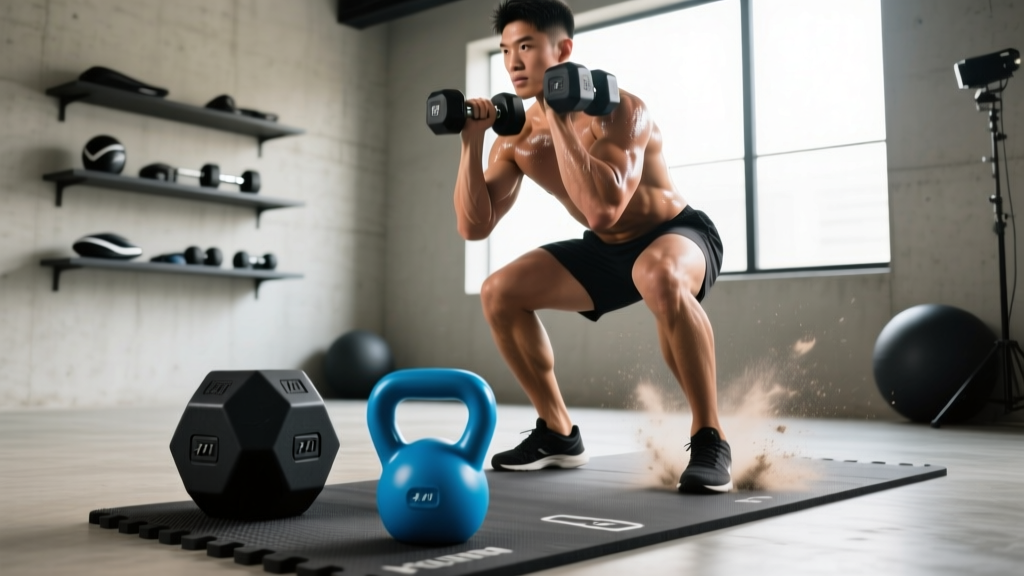
Beyond the 30 Pound Dumbbell Workout: Bumper vs Iron Plate Care
Upgrading from a 30 pound dumbbell workout? Compare bumper vs iron plates, focusing on maintenance, rust prevention, and longevity for your home gym.

From Fixed Dumbbells to Free Plates: The Longevity Paradigm
Many home gym owners begin their fitness journey anchored to a fixed 30 pound dumbbell workout, focusing on high-rep hypertrophy, unilateral conditioning, and metabolic complexes. However, as progressive overload demands heavier loads and more versatile barbell movements, the transition to a full barbell and plate setup becomes inevitable. When making this jump, the debate between bumper plates and cast iron plates takes center stage. But beyond the initial purchase price and drop-testing capabilities, the true cost of ownership lies in long-term maintenance, environmental resilience, and equipment longevity.
Choosing the wrong plate type for your specific gym environment can lead to premature degradation, ruined barbell sleeves, and frustrating maintenance routines. In this guide, we dissect the mechanical failure points of both bumper and iron plates, providing expert-level care protocols to ensure your investment outlasts your fitness goals.
The Anatomy of Plate Degradation
Before diving into maintenance routines, it is critical to understand how different materials fail. According to Garage Gym Reviews' comprehensive plate breakdown, the primary enemy of cast iron is oxidation (rust), while the primary enemy of rubber bumpers is UV exposure, ozone degradation, and hub-insert separation.
2026 Market Snapshot & Material Matrix
As of 2026, global shipping surcharges have largely stabilized, shifting the price-to-durability ratios of home gym equipment. Below is a technical comparison of the three most common plate variants on the market.
| Feature | Virgin Urethane Bumper | Crumb Rubber Bumper | Machined Cast Iron |
|---|---|---|---|
| Average Cost (per lb) | $4.50 - $6.00 | $2.00 - $3.25 | $1.50 - $2.50 |
| Durometer (Shore A) | 85 - 90 (Very Hard) | 70 - 80 (Soft/Medium) | N/A (Solid Metal) |
| Primary Failure Mode | Edge chipping on concrete | Hub insert pull-out | Enamel chipping & bore rust |
| Maintenance Frequency | Low (Bi-annual wipe down) | Medium (Monthly inspection) | High (Seasonal oiling) |
| IWF Diameter Tolerance | 450mm (+/- 1mm) | 450mm (+/- 3mm) | 450mm (+/- 5mm) |
Bumper Plate Maintenance: Preserving the Polymer
Bumper plates are engineered to absorb kinetic energy during Olympic lifts and high-impact drops. However, the vulcanization process that binds the rubber or urethane does not make it invincible. If you are transitioning from a controlled 30 pound dumbbell workout where weights are gently placed on racks, you must adapt to the realities of dropping bumpers.
The Hub Insert Vulnerability
The most catastrophic failure point on budget crumb-rubber bumpers (typically those priced under $2.50/lb) is the steel center hub insert. Repeated dropping, especially with lighter 10lb and 15lb bumper plates that lack sufficient surface area to disperse impact, causes the rubber to tear away from the metal insert. Once the insert loosens, it will score your barbell sleeve and eventually pop out entirely during a lift.
- Preventative Action: Never drop 10lb or 15lb bumper plates alone. Always pair them with a 45lb plate to distribute the impact force across a wider, thicker rubber matrix.
- Inspection Protocol: Every 90 days, grip the center steel hub and attempt to twist it. If there is any rotational give or audible squeaking, the rubber bond has failed.
Chemical Cleaning & UV Protection
Never use bleach, ammonia, or harsh degreasers on rubber bumpers. These chemicals accelerate the breakdown of vulcanization, leading to dry rot and the dreaded 'white dust' oxidation that plagues black rubber plates. According to Eleiko's official product care guidelines, premium urethane and rubber surfaces should only be cleaned with a mild, pH-neutral soap and a microfiber cloth. For garages in high-sunlight areas, UV exposure will turn black bumpers gray within six months. Applying a water-based UV protectant (like 303 Aerospace Protectant) bi-annually will preserve the carbon-black pigmentation and maintain rubber elasticity.
Cast Iron Plate Maintenance: Battling Oxidation
Cast iron plates are the gold standard for powerlifting, offering unparalleled durability, zero bounce, and a lower cost per pound. However, iron's arch-nemesis is ambient moisture. Most modern iron plates feature a baked enamel or powder-coated finish, but the edges and the center bore are highly susceptible to chipping and rust.
The Center Bore Threat
When loading and unloading plates, the friction against the barbell sleeve slowly wears away the protective coating inside the center bore. Once raw iron is exposed, ambient humidity above 60% will trigger surface rust within 48 hours. This rust creates a gritty paste that transfers to your barbell sleeve, accelerating wear on the barbell's bushings or bearings.
Step-by-Step Iron Plate Remediation
If you acquire vintage iron plates or notice rust forming in the bore or on chipped edges, follow this expert remediation process:
- Mechanical Removal: Use a wire-wheel attachment on an angle grinder or a Dremel tool to strip the rust from the center bore and chipped edges. Do not use sandpaper, as it leaves behind abrasive grit.
- Chemical Degreasing: Wipe the plates down with mineral spirits to remove any residual metal dust and manufacturing oils.
- Protective Coating: Avoid standard WD-40, as it evaporates quickly and leaves a tacky residue that attracts dust. Instead, apply a light coat of 3-IN-ONE Multi-Purpose Oil or WD-40 Specialist Corrosion Inhibitor. For heavily chipped edges, a cold-galvanizing compound spray provides a zinc-rich barrier that halts oxidation permanently.
Environmental Decision Framework
Your gym's physical environment should dictate your plate purchase and maintenance strategy. Referencing Rogue Fitness Machined Iron specifications and material science data, here is how to choose based on your space:
The Uninsulated Garage Gym
If your gym experiences massive temperature swings, high humidity, and condensation, urethane bumper plates are your safest investment. Unlike rubber, urethane is highly resistant to moisture absorption and will not harbor mold or emit a foul odor in damp conditions. Cast iron in an uninsulated garage requires a dehumidifier running 24/7, or you will spend hours each season wire-brushing rust.
The Climate-Controlled Basement or Spare Room
In a stable, low-humidity environment, machined cast iron plates are superior. They require virtually zero maintenance, allow for precise micro-loading (down to 0.25lb fractional plates), and eliminate the 'rubber smell' that can permeate a home's HVAC system. Furthermore, if your training evolved from a 30 pound dumbbell workout focused on strict, controlled movements rather than Olympic dropping, iron plates perfectly match your low-impact training style while saving you significant floor space.
Final Thoughts on Equipment Longevity
Upgrading your home gym is a milestone that signals a commitment to long-term strength development. Whether you are moving past the limitations of a fixed 30 pound dumbbell workout to explore heavy barbell squats, or you are building out a dedicated Olympic lifting platform, understanding the material science of your weight plates is crucial. Bumpers demand respect for their polymer bonds and storage geometry, while iron demands vigilance against moisture and friction. By implementing these targeted maintenance protocols, your plates will remain calibrated, safe, and visually pristine for decades of progressive overload.
More gear to consider
All reviews
Rear Flys with Dumbbells: Form Mistakes & Rack Setup Guide

How to Exercise Shoulders with Dumbbells: Rack Guide

Dumbbell Around the World Muscles Worked: 2026 Adjustable Dumbbell Guide
Upper Body Dumbbell Workout Gear: Rubber Hex vs Urethane Value Guide
Bumper Plate vs Iron Plate: Space & Dumbbell RDL vs Barbell RDL