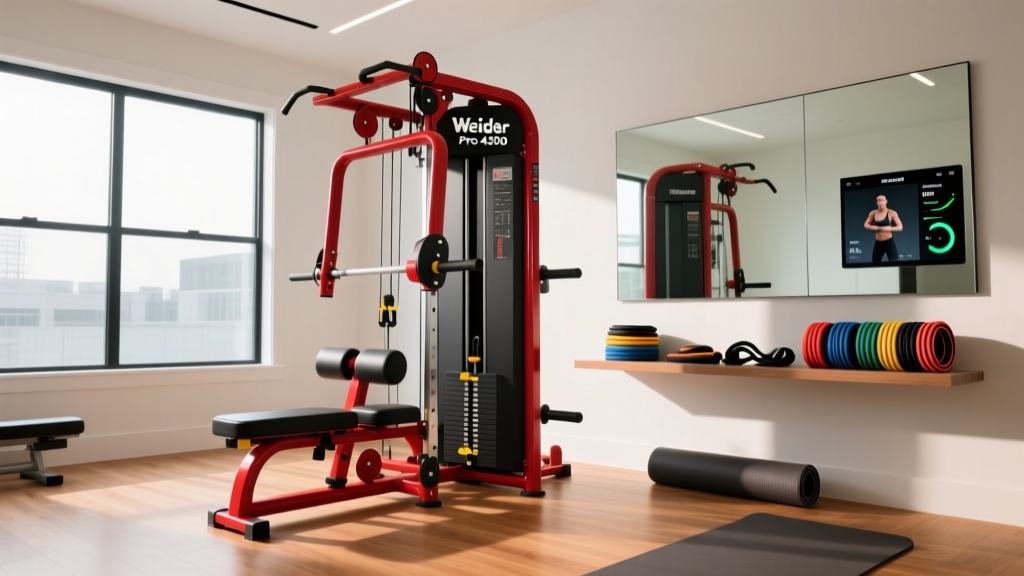
Top Home Gym Set Up Ideas for Couples Sharing One Space
Discover smart home gym set up ideas for couples. Learn space-saving layouts, dual-zone flooring, and shared equipment picks to train together peacefully.

When browsing home gym set up ideas, most guides assume a single user with unlimited space and a unified training goal. But what happens when two people with different strength levels, varying schedules, and conflicting space needs have to share a single 12x12 foot spare room or half of a two-car garage? Building a shared home gym requires strategic compromises, modular equipment, and strict spatial zoning. According to the American Heart Association, couples who exercise together show significantly higher adherence rates to cardiovascular and strength routines, but only if the environment reduces friction rather than creating it.
This beginner-friendly, step-by-step guide will walk you through designing a shared fitness space that accommodates a powerlifter and a yoga enthusiast, or a morning cardio runner and an evening weightlifter, without anyone feeling crowded out.
Step 1: Map the 'Dual-Zone' Footprint
The biggest mistake couples make is centering a massive power rack in the middle of the room, effectively killing the floor space needed for the other partner's mobility, dumbbell, or cardio work. Instead, use the Dual-Zone Layout method.
Zone A: The Heavy Anchor (8x8 Feet)
This zone is dedicated to heavy, stationary lifting. It requires high ceiling clearance (minimum 90 inches for pull-ups and overhead presses) and reinforced flooring. Push this zone into the back corner of the room to utilize structural wall support and keep heavy drops away from shared drywall.
Zone B: The Dynamic Flow Space (4x12 Feet)
This zone remains open for kettlebell swings, yoga, resistance band work, or a foldable cardio machine. By keeping the center and front of the room clear, Partner B can do a full Peloton or HIIT session while Partner A is squatting in Zone A, without crossing each other's barbell paths.
Pro Tip for Low Ceilings: If your shared basement ceiling is under 84 inches, abandon traditional overhead barbell pressing. Swap to landmine press attachments and seated dumbbell work to avoid punching holes in the drywall or injuring your wrists.Step 2: Select 'Compromise' Equipment (The Shared Matrix)
Outfitting a gym for two people usually means buying two of everything, which destroys your budget and your square footage. The secret is investing in high-capacity, modular gear that spans multiple users and strength levels. Below is a cost and space comparison for shared versus solo setups in 2026.
| Equipment Type | Traditional Solo Setup | Shared / Modular Setup | Space & Cost Savings |
|---|---|---|---|
| Dumbbells (5-80 lbs) | 16 Pairs + Tiered Rack ($1,400+) | 2x Nuobell 80lb Adjustables ($698) | Saves 40 sq ft; ~$700 saved |
| Squat Rack | Rogue SML-2 Monster Lite ($795) | Rogue R-3 Foldaway Rack ($695) | Reclaims 18 sq ft when folded |
| Cable System | Separate Lat & Row Machines ($1,800+) | Bells of Steel Lat/Row Combo ($799) | 100+ exercises in 4 sq ft footprint |
Notice the Rogue R-3 Foldaway Rack. When extended, it offers a robust 22-inch depth for safe squatting and benching. When folded flat against the wall, it protrudes only 4 inches. This is a game-changer for couples sharing a multi-purpose room, as it instantly converts a lifting platform into an open floor for yoga or dance cardio.
Step 3: Install Shared-Use Flooring & Acoustics
Nothing causes household friction faster than one partner dropping deadlifts while the other is trying to sleep or work in the adjacent room. Flooring in a shared home gym must serve two purposes: equipment protection and acoustic decoupling.
The Acoustic Layering Method
- Base Layer (Subfloor): If you are building over a concrete garage slab or a basement with a bedroom directly above it, lay down a 2mm to 5mm acoustic underlayment (like Mass Loaded Vinyl or recycled rubber crumb).
- Top Layer (Surface): Install 3/4-inch thick vulcanized rubber mats. Do not use interlocking EVA foam puzzle mats. EVA foam compresses unevenly under heavy shared loads, creating ankle-roll hazards and degrading within six months of heavy couple use. Horse stall mats (often found at agricultural supply stores for around $55 each) or premium vulcanized tiles from Rogue Fitness provide the necessary density.
"Proper acoustic layering can reduce impact noise transfer by up to 15-20 decibels, turning a floor-shaking 400-pound drop into a dull, manageable thud that won't interrupt your partner's home office calls."
Step 4: Implement the 'Reset to Neutral' Storage Rule
Shared spaces fail when they become cluttered with one person's half-finished circuit. To maintain sanity, design your storage around the Reset to Neutral framework. Every piece of equipment must have a designated, wall-mounted home.
- Vertical Wall Storage: Use Rogue wall-mounted hangers for resistance bands, jump ropes, and lifting belts. This keeps them off the floor and out of the Dynamic Flow Space.
- Color-Coded Plates: If Partner A lifts in kilograms and Partner B lifts in pounds (common when one partner trains for CrossFit and the other for powerlifting), buy color-coded bumper plates and label your storage pegs with a label maker. This eliminates the frustrating 5-minute pre-workout math and plate-swapping arguments.
- The 'One Barbell' Compromise: Buy one high-quality multi-purpose barbell (like the Ohio Bar) with a 190k PSI tensile strength shaft, and one dedicated deadlift bar with more whip. Store them vertically in a barbell holder to save 15 square feet of floor space.
Step 5: Digital Syncing & Scheduling Framework
Physical space is only half the battle; temporal space is the other. The CDC's physical activity guidelines recommend at least 150 minutes of moderate aerobic activity and two days of strength training per week. Coordinating this between two adults requires a shared digital infrastructure.
Tech Stack for Couples
Avoid Smart Gym Lockouts: If you invest in digital equipment like Tonal 2 or smart rowers, ensure the subscription model supports multi-user profiles natively. Some budget smart-mirrors only track one primary user's biometrics, which alienates the second partner.Utilize a shared Google Calendar specifically titled 'Gym Blocks'. Color-code Partner A's heavy lifting days in red, and Partner B's cardio/mobility days in blue. If both partners want to train simultaneously, rely on asynchronous equipment: Partner A does barbell squats (Zone A) while Partner B uses a quiet, magnetic resistance air bike or smart rower (Zone B) that doesn't require a spotter or shared floor space.
Final Thoughts on Shared Fitness Harmony
Designing a home gym for couples isn't just about cramming two people's worth of gear into one room; it's about creating a modular ecosystem that adapts to different bodies, goals, and schedules. By prioritizing foldaway racks, adjustable dumbbells, acoustic flooring, and strict zoning, you transform a potential household battleground into a shared sanctuary for health. Start with the Dual-Zone footprint, invest in high-yield modular equipment, and respect the 'Reset to Neutral' rule to ensure your shared home gym remains a place of mutual motivation for years to come.
More gear to consider
All reviews
Weider 2980x Home Gym Maintenance for Small Apartments
Home Gym Equipment for Abs and Strength Training: Full Setup Walkthrough

Space Layout & Weight Guide: Tuff Stuff SXT 550 Hybrid Home Gym
2026 Garage Gym Trends: Flooring, Ventilation & Bowflex Home Gym Models

Odyssey 5 Home Gym vs. Force USA G12: Remodeling Tips