
Maximizing Your Weider Platinum Plus Home Gym Setup & Care
Learn how to configure, maintain, and extend the lifespan of your Weider Platinum Plus home gym for safe, effective strength training workouts.

The Weider Platinum Plus home gym remains a highly sought-after piece of equipment on the secondary market. Originally engineered as a robust, selectorized multi-station machine, it offers a comprehensive solution for home gym configuration for strength training without the recurring costs of a commercial gym membership. However, because many of these units in circulation today are legacy models, achieving optimal performance in 2026 requires a meticulous approach to spatial configuration, biomechanical alignment, and rigorous maintenance care. Neglecting the intricate cable routing or the weight stack guide rods can turn a premium strength training asset into a safety hazard.
Strategic Spatial Configuration for Safety and Longevity
Before tightening a single bolt, your home gym configuration must account for the physical footprint and operational clearances of the Weider Platinum Plus. This machine features a sprawling cable-and-pulley network that requires unobstructed movement paths. The American Council on Exercise (ACE) recommends a minimum of 36 inches of clearance on all sides of resistance machines to ensure safe mounting, dismounting, and emergency exits.
Flooring and Anchoring Protocols
The Platinum Plus generates significant downward and lateral force during heavy lat pulldowns and chest presses. To protect your subfloor and stabilize the machine:
- Base Layer: Install 3/4-inch thick vulcanized rubber horse stall mats beneath the entire footprint. This absorbs kinetic energy and prevents the frame from 'walking' during explosive concentric movements.
- Leveling: Use heavy-duty steel shims under the rear stabilizer bar if your garage or basement floor has a slight grade. An unlevel frame causes uneven wear on the weight stack guide rods and accelerates pulley bearing degradation.
- Hardware Torque: After the first 30 days of use, re-torque all structural bolts to 45-50 ft-lbs using a calibrated torque wrench. Vibration from dropping the weight stack gradually loosens factory hardware.
Biomechanical Setup: Aligning the Machine to Your Body
Proper home gym configuration for strength training dictates that the machine adapts to your biomechanics, not the other way around. Misalignment not only reduces muscle activation but places asymmetric stress on the Weider's pivot points and adjustment mechanisms.
According to biomechanics guidelines from the National Academy of Sports Medicine (NASM), joint alignment with the machine's axis of rotation is critical for isolation movements. For the Platinum Plus pec deck and chest press stations, adjust the seat height so your glenohumeral (shoulder) joint aligns perfectly with the red alignment dots on the cam housing. If the seat pad upholstery is compressed or torn, replace it with high-density marine-grade vinyl foam to restore the original 2.5-inch thickness, ensuring your starting position remains consistent.
Pro-Tip: Pop-Pin MaintenanceThe spring-loaded pop-pins used for seat and thigh-pad adjustments are prone to rust and sticking. Apply a dry PTFE (Teflon) lubricant to the pin shafts quarterly. Avoid wet oils, which attract dust and eventually freeze the pin inside the adjustment tube, rendering the biomechanical configuration useless.
Core Longevity: Cables, Pulleys, and Hardware Maintenance
The lifeblood of the Weider Platinum Plus is its complex routing system. A single frayed cable can snap under a 150-pound load, causing severe injury and damaging the machine's structural integrity.
Cable Inspection and Replacement
The Platinum Plus utilizes 3/16-inch or 1/4-inch 7x19 strand galvanized aircraft cable. The '7x19' designation means it is highly flexible, designed to bend around small-diameter pulleys repeatedly. However, this flexibility makes it susceptible to internal fatigue.
- The 'Fishhook' Test: Run a cotton ball along the entire length of every cable. If the cotton snags, a micro-strand has broken, creating a 'fishhook.' Replace the cable immediately.
- End Swages: Inspect the lead and zinc swages (the metal cylinders crimped at the cable ends). Look for micro-cracks or slippage. If the cable has pulled even 1mm out of the swage, the structural integrity is compromised.
- Replacement Sourcing: When replacing cables, do not use generic hardware store wire rope. Source OEM-spec 7x19 aircraft cables with pre-attached nylon-coated end fittings from specialized vendors like Fitness Repair Parts to ensure exact length and load ratings.
Pulley Bearing Rehabilitation
The machine features a mix of 3.5-inch and 4.5-inch nylon pulleys. Over time, the sealed ball bearings inside these pulleys dry out or seize. If a pulley squeaks or exhibits lateral wobble, do not attempt to spray WD-40 into the bearing—this washes out the remaining factory grease and accelerates failure. Instead, order replacement sealed bearing pulleys (typically 1/2-inch bore) and swap them out using a standard socket set.
Maintenance Schedule & Replacement Parts Guide (2026)
| Component | Inspection Frequency | Replacement Indicator | Est. Cost (2026) |
|---|---|---|---|
| 7x19 Aircraft Cables | Monthly (Visual/Tactile) | Fraying, rust, stretched swages | $45 - $85 per cable |
| Nylon Pulleys | Quarterly (Spin Test) | Squeaking, wobble, flat spots | $12 - $25 each |
| Weight Stack Guide Rods | Bi-Annually | Deep scoring, pitting, rust | $30 - $60 per rod |
| Selector Pin & Lanyard | Every Workout | Bent tip, frayed lanyard | $15 - $20 |
Weight Stack and Guide Rod Rehabilitation
The Weider Platinum Plus utilizes a dual guide rod system to keep the weight stack tracking vertically. Friction here is the enemy of smooth strength training. If the weight stack 'sticks' on the descent, it ruins the eccentric phase of your lift and places undue strain on the main drive cable.
- Deep Cleaning: Remove the weight stack top plate and slide the plates off the guide rods. Wipe the rods down with a microfiber towel and isopropyl alcohol to strip away years of oxidized oil and dust.
- Proper Lubrication: Apply a 100% silicone-based spray or a specialized PTFE dry lube to the guide rods. Never use petroleum-based lubricants or standard WD-40. Petroleum products attract microscopic dust particles, creating a grinding paste that will permanently score the chrome finish of the rods.
- Bumper Replacement: Inspect the rubber bumpers between the weight plates. If they are crumbling or missing, the metal-on-metal impact will crack the cast-iron plates over time. Replace them with 1/2-inch ID polyurethane tubing cut to 1-inch lengths.
Troubleshooting Common Failure Modes
Issue: The weight stack feels heavier than the selected pin amount.
Diagnosis: Cable routing friction or a seized idler pulley hidden inside the main upright column. The Weider Platinum Plus features several internal redirect pulleys that are difficult to see. Use a flashlight to trace the cable path from the stack to the first external pulley. If the internal pulley is seized, the motor-like resistance will severely alter your strength training biomechanics. You will need to unbolt the top cap of the upright to access and replace this specific pulley.
Issue: The lat pulldown bar tilts to one side during the pull.
Diagnosis: Uneven cable stretch or asymmetric pulley wear. Over a decade of use, the main lat cable can stretch unevenly if the user consistently pulls with a dominant right or left side. Replacing the main lat cable and ensuring the swivel attachment is properly greased will restore bilateral symmetry.
Never attempt to weld or repair a frayed fitness cable. The tensile strength of aircraft cable relies on its continuous strand integrity. A welded repair creates a brittle heat-affected zone that will snap catastrophically under dynamic loads. Always replace compromised cables with OEM-spec equivalents.
Sourcing OEM and Aftermarket Parts in 2026
Weider is a legacy brand currently owned and managed by iFIT (formerly Icon Health & Fitness). While iFIT focuses primarily on their connected NordicTrack and ProForm ecosystems, they still maintain a parts catalog for legacy Weider units. You can request exploded parts diagrams directly through iFIT customer support using the exact model number found on the silver decal near the base of the main upright (e.g., Model 831.15500).
For faster shipping and often better pricing on generic wear items like 1/2-inch bore pulleys, 3/16-inch cables, and weight stack guide rods, third-party fitness equipment parts distributors remain the most reliable resource for home gym owners dedicated to keeping vintage strength training equipment operational for the long haul. By committing to this rigorous maintenance protocol, your Weider Platinum Plus will continue to deliver safe, effective, and biomechanically sound strength training for years to come.
More gear to consider
All reviews
Odyssey 5 Home Gym vs. Force USA G12: Remodeling Tips

Vectra 1600 Home Gym vs. Essential Beginner Starter Kits (2026)

Weight & Major Fitness F22 Power Rack All-In-One Home Gym Space
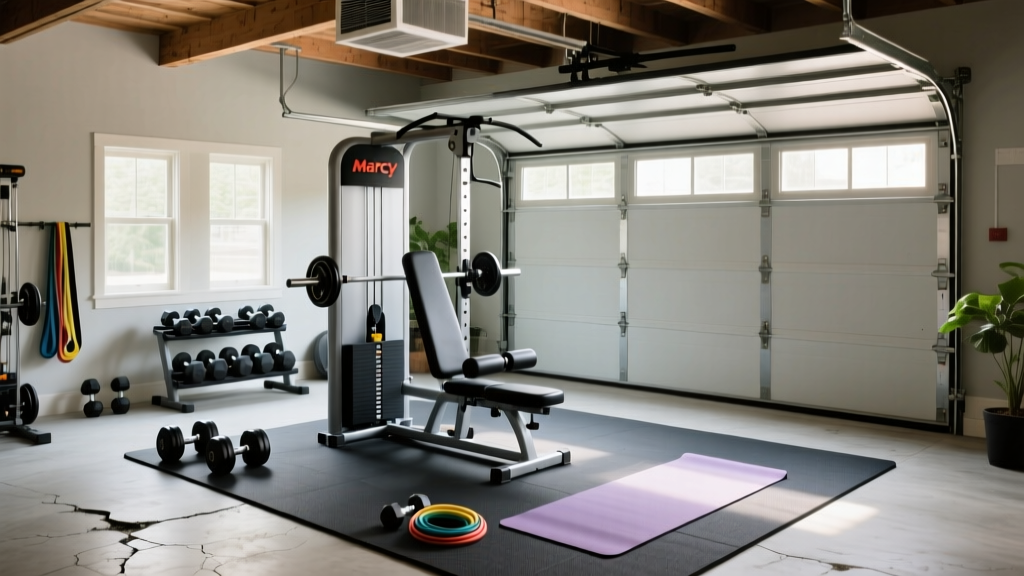
Marcy Home Gym MWM-989 Garage Setup: Flooring & Ventilation Mistakes
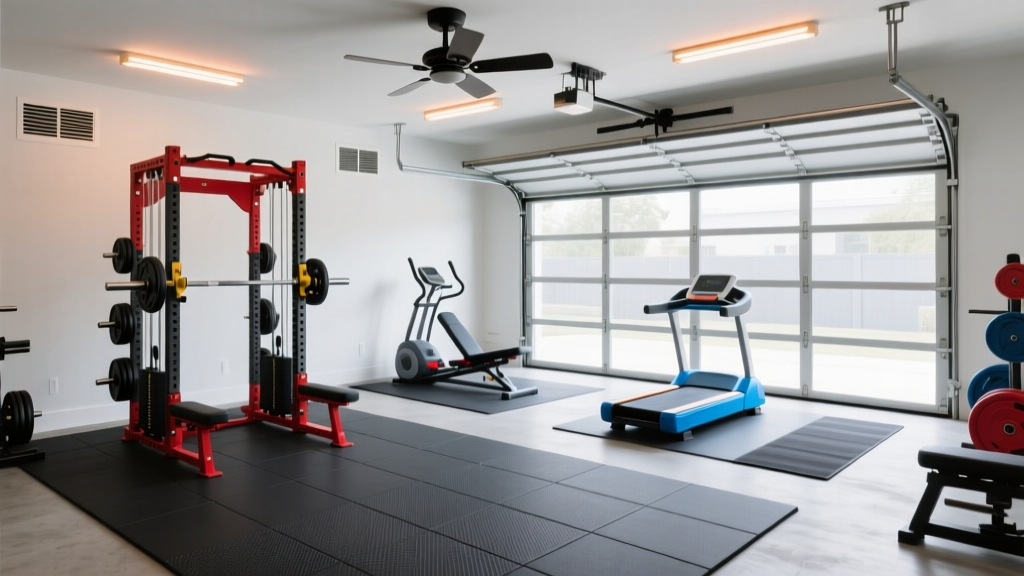
Garage Gym Setup: Flooring, Ventilation & Home Gym HSA Eligible
