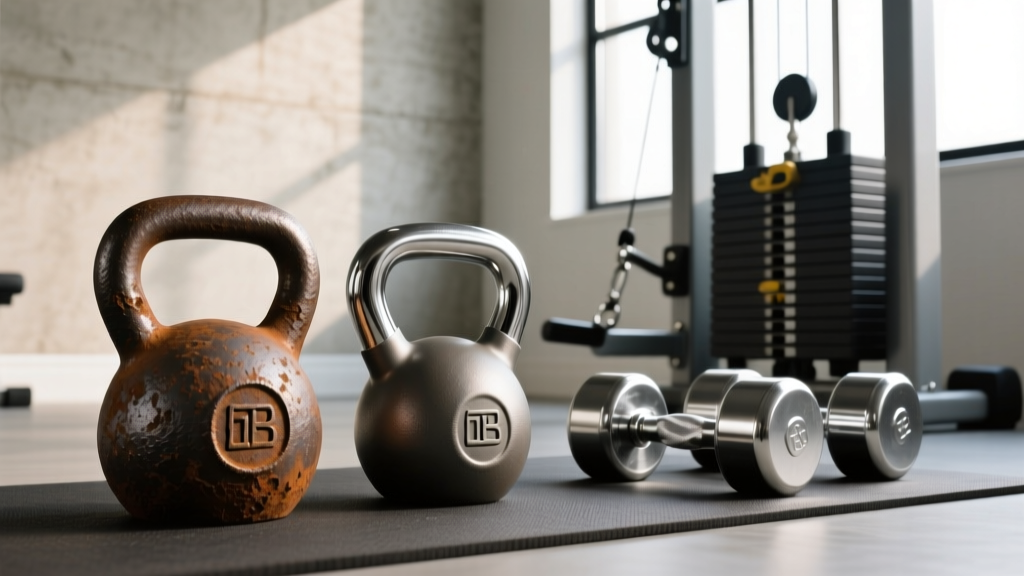
Cast Iron vs Competition Kettlebells & Dumbbell Pulldown Guide
Compare cast iron vs competition kettlebells with our 2026 expert guide. Plus, learn how to pair them with the dumbbell pulldown for ultimate back growth.

The Core Debate: Cast Iron vs. Competition Kettlebells
Building a comprehensive home gym in 2026 requires making deliberate choices about every pound of iron you bring through your doors. When it comes to kettlebells, the market is strictly divided into two camps: traditional cast iron and standardized competition steel. While both tools build formidable strength, their geometries, grip demands, and ideal use cases are vastly different. Furthermore, integrating these tools into a broader back-training regimen—often complemented by isolation movements like the dumbbell pulldown—requires an understanding of how handle thickness and horn width affect latissimus dorsi engagement.
In this hands-on expert review, we break down the exact specifications, current market pricing, and biomechanical advantages of both kettlebell styles, helping you decide which belongs on your rack.
Editor's Note: As of early 2026, global supply chain stabilizations have brought cast iron prices back down to historical averages, while competition steel bells have seen a slight premium increase due to manufacturing precision demands.Cast Iron Kettlebells: The Traditional Workhorse
Cast iron kettlebells are the classic, teardrop-shaped weights found in most commercial gyms and garage setups. Because they are poured into molds, their physical dimensions scale with their weight. A 16kg cast iron bell is significantly smaller than a 32kg bell.
Handle Geometry and Grip Tax
The most defining characteristic of a cast iron kettlebell is its handle thickness, which typically ranges from 32mm to 35mm depending on the brand and weight. Thicker handles demand immense grip strength, making cast iron bells exceptional for heavy, low-rep grinding movements like double kettlebell front squats, heavy gorilla rows, and farmer's carries.
- Pros: Highly durable, lower cost per pound, thicker handles build crushing grip strength, wider horns allow for two-handed swings and goblet squats.
- Cons: Varying dimensions require technique adjustments as you change weights, thick handles can prematurely fatigue the forearms during high-rep ballistic sets, rougher finishes can tear calluses.
Competition Kettlebells: The Precision Tool
Competition kettlebells are engineered for consistency. Whether you are lifting a 12kg or a 32kg bell, the physical dimensions remain exactly the same: 210mm in height and a 28mm handle diameter. This standardization is critical for athletes practicing complex flow sequences, snatches, and clean-and-jerks, as the muscle memory required to rack the bell never changes.
Steel Construction and Biomechanics
Made from high-grade steel, competition bells are more compact at lower weights (hollowed out internally) but maintain the exact same exterior shell. The 28mm handle is noticeably thinner than cast iron, allowing the bell to rest securely in the rack position without hyperextending the wrist. According to StrongFirst, the standardized dimensions of competition bells are vital for mastering the timing of the kettlebell snatch, where a thicker handle would cause excessive rotational drag and forearm bruising.
Spec & Pricing Comparison Matrix (2026 Market Data)
| Feature | Cast Iron (e.g., Rogue Powder Coat) | Competition (e.g., Kettlebell Kings Steel) |
|---|---|---|
| Material | Solid Cast Iron | Hollow-Core Solid Steel |
| Handle Diameter | 32mm - 35mm (Varies) | Strictly 28mm |
| Dimensions | Scales with weight | Uniform (210mm height) |
| Avg. Price per lb | $1.60 - $2.10 | $2.80 - $3.50 |
| Best For | Heavy Rows, Goblet Squats, Carries | Snatches, Cleans, High-Rep Ballistics |
Back Training Showdown: Kettlebell Rows vs. The Dumbbell Pulldown
When programming for back hypertrophy and posterior chain power, athletes must balance heavy, compound pulling with strict lat isolation. This is where the interplay between your choice of kettlebell and traditional dumbbell movements becomes critical.
The Role of the Dumbbell Pulldown
The dumbbell pulldown (often executed as a straight-arm dumbbell pullover on a 30-degree incline bench, or a unilateral straight-arm arc pulldown) is a premier isolation exercise for the latissimus dorsi. According to the ACE Fitness Exercise Library, maintaining a slight bend in the elbow while sweeping the weight from overhead to the hip maximizes lat stretch and peak contraction without the bicep involvement seen in traditional rows.
Because the dumbbell pulldown requires a neutral, secure grip on a single dumbbell handle, it pairs beautifully as a high-rep burnout following heavy kettlebell work. The grip fatigue induced by thick-handled cast iron kettlebell rows will make the smooth handle of an adjustable dumbbell feel incredibly stable during your pulldown sets.
Pairing the Movements
For optimal back development in a home gym, utilize a superset framework:
- Heavy Compound: Cast Iron Kettlebell Gorilla Rows (4 sets of 6-8 reps per arm). The 33mm handle taxes the grip and forces high-threshold motor unit recruitment in the rhomboids and traps.
- Lat Isolation: Incline Dumbbell Pulldown (3 sets of 12-15 reps). Use a 35lb-50lb adjustable dumbbell. Focus on the eccentric stretch overhead, pulling strictly with the lats to drag the dumbbell toward your hip pocket.
'If you want a wide, thick back, you need both the heavy, grip-taxing pulls of a cast iron bell and the strict, isolated lat sweeps of the dumbbell pulldown. One builds the slab, the other carves the detail.'
Expert Top Picks for 2026
1. Best Cast Iron: Rogue Powder Coat Kettlebell
Rogue's powder coat finish remains the gold standard for grip traction without tearing the hands. The 24kg model features a perfectly balanced 33mm handle, making it the ultimate tool for heavy unilateral rows and farmer's carries. Priced around $95 for the 24kg, it offers exceptional value at roughly $1.75 per pound.
2. Best Competition: Kettlebell Kings Steel Competition Bell
For athletes focusing on the kettlebell sport or high-rep snatches, Kettlebell Kings offers a flawless 28mm handle with a slightly wider window (horn) that accommodates larger hands during the rack position. The color-coded steel shells are chip-resistant, and the $115 price tag for a 16kg bell reflects the premium machining required.
3. Best Dumbbell for Pulldowns: PowerBlock Elite USA
To execute the dumbbell pulldown effectively at home, you need a bell that doesn't clank or shift. The PowerBlock Elite's rectangular, welded steel cage provides a secure grip and compact profile, ensuring the weight doesn't hit the bench during the deep overhead stretch of the pulldown.
Frequently Asked Questions
Can I use a competition kettlebell for heavy goblet squats?
Yes, but the 28mm handle and narrower horn of a competition bell can feel cramped when held in a two-handed goblet position compared to a wide-horned cast iron bell. For heavy lower-body grinding, cast iron is generally more comfortable.
Is the dumbbell pulldown better than a lat pulldown machine?
The machine lat pulldown allows for heavier absolute loading and bilateral symmetry. However, the incline dumbbell pulldown provides a superior stretch at the top of the movement and engages the serratus anterior and core stabilizers to prevent torso rotation, making it an excellent functional accessory.
How do I maintain my cast iron kettlebells?
Wipe them down with a dry cloth after use. If you live in a high-humidity environment, lightly rub the bare iron spots (if the powder coat chips) with a drop of 3-in-One oil or mineral oil to prevent oxidation. Never store them directly on concrete where moisture wicks upward.
More gear to consider
All reviews
What Does Overhead Dumbbell Press Work? Barbell Collar & Clamp Guide
Barbell Knurling Guide & Dumbbell Bicep Curl to Shoulder Press Setup
Bumper vs Iron Plate Care & the Rolling Dumbbell Extension

Power Rack vs Squat Rack vs Squat Stand & Dumbbell Frog Squat Guide
Bumper vs Iron Plates: Space for Alternating Dumbbell Hammer Curls
