
Olympic vs Standard Plates: Guide & Leg Workout Using Dumbbells
Discover the key differences between Olympic and standard weight plates, plus a step-by-step beginner leg workout using dumbbells to build lower body strength.

The Foundation of Your Home Gym: Choosing the Right Iron
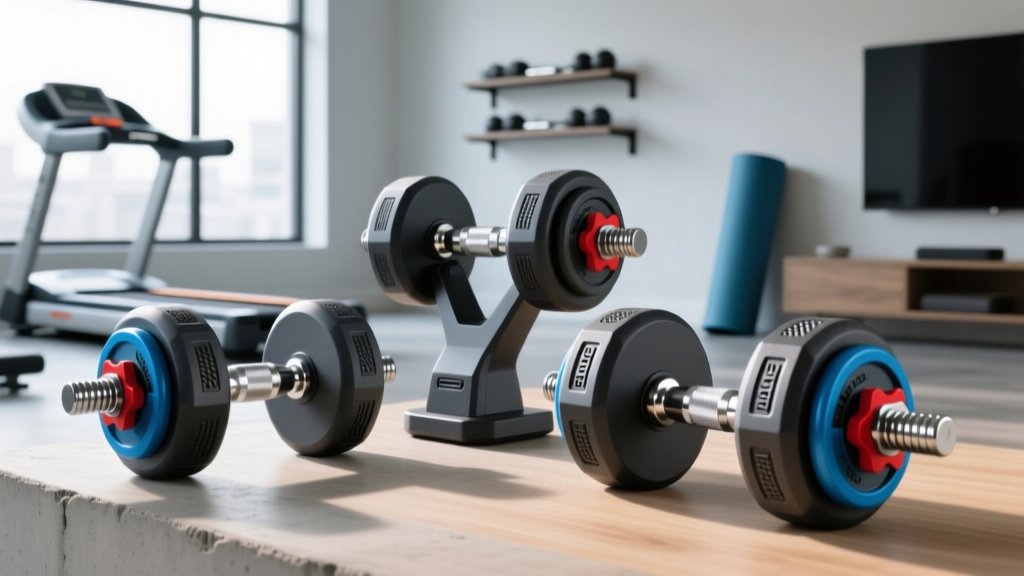
Building a home gym is one of the most rewarding investments you can make for your fitness journey. However, before you can start loading up your adjustable dumbbells or barbells, you must understand the foundational hardware of weightlifting: the plates. If you are shopping for weight plate types, you will immediately encounter the great divide in the fitness industry—Olympic versus standard. Making the wrong choice can lead to compatibility headaches, bent bars, and a frustrating sunk-cost fallacy down the road.
In this step-by-step beginner guide, we will break down the exact metallurgical and dimensional differences between these two plate ecosystems. Then, once you know how to properly equip your plate-loaded dumbbells, we will transition into a highly effective, beginner-friendly leg workout using dumbbells to put your new gear to the test.
Step 1: Decoding the 1-Inch vs. 2-Inch Sleeve Divide
The primary difference between standard and Olympic weight plates is not actually the plates themselves, but the equipment they are designed to fit. This comes down to the diameter of the barbell or dumbbell sleeve.
- Standard Plates: These feature a center hole measuring exactly 1 inch (25.4 mm). They are designed to fit standard, entry-level barbells and spinlock dumbbell handles. The sleeves on these bars are typically solid steel but lack the rotational bearings found in higher-end gear.
- Olympic Plates: These feature a center hole measuring 2 inches (50.8 mm). Originally popularized by the International Weightlifting Federation, the 'Olympic' designation now serves as the universal standard for commercial gyms and serious home garages. The thicker sleeves accommodate internal sleeves and bushings/bearings that allow the bar to spin during explosive lifts like the clean and jerk.
According to equipment testing by Garage Gym Reviews, attempting to use a 2-inch Olympic plate on a 1-inch standard bar is physically impossible without a specialized adapter, while placing a 1-inch plate on a 2-inch Olympic bar will result in a dangerous, wobbling fit that can damage the bar's finish and compromise your safety.
Step 2: Olympic vs. Standard Weight Plates Compared
When evaluating weight plate types, Olympic vs standard comparisons go far beyond just the hole size. The manufacturing tolerances, material options, and weight capacities vary drastically. Below is a detailed comparison matrix to help you visualize the differences.
| Feature | Standard Weight Plates | Olympic Weight Plates |
|---|---|---|
| Center Hole | 1 inch (25.4 mm) | 2 inches (50.8 mm) |
| Weight Capacity | ~200-300 lbs (barbell limit) | 500-1,000+ lbs |
| Material Options | Cast iron, cement-filled vinyl | Cast iron, rubber, urethane, bumper |
| Calibration Tolerance | +/- 5% to 10% | +/- 1% (Calibrated) to 3% |
| Avg. Cost per Pound | $1.00 - $1.50 | $1.50 - $3.50+ |
| Dumbbell Compatibility | Standard spinlock handles | Olympic loadable dumbbell handles |
Real-World Product Examples
If you opt for the standard route, the CAP Barbell Cast Iron Standard Plates are a ubiquitous, budget-friendly choice, usually costing around $1.20 per pound. However, they are prone to rust if not kept in a climate-controlled room. On the Olympic side, the Rogue Deep Dish Iron Plates represent the gold standard for home gyms. Machined from high-quality cast iron with a protective E-coat, they cost roughly $2.00 to $2.50 per pound but will easily outlive the lifter.
Step 3: The Decision Framework for Beginners
How do you choose? Use this practical decision framework based on your budget and long-term goals:
- The 'Strict Budget & Space' Route (Standard): If your total equipment budget is under $250, and you only plan to lift light-to-moderate weights (under 150 lbs total), standard plates and a pair of 14-inch spinlock dumbbell handles will suffice. Be aware that standard bars can permanently bend if loaded past 200 lbs.
- The 'Future-Proof' Route (Olympic): If your budget is $500 or more, buy Olympic. Even if you are a beginner, your leg and back muscles will quickly outgrow the 200-lb limit of a standard barbell. Investing in an Olympic barbell and a set of rubber-coated Olympic plates ensures you never have to repurchase your iron as your strength increases.
Step 4: Your Beginner Leg Workout Using Dumbbells
Now that your hardware is selected and your plate-loaded dumbbells are assembled, it is time to train. According to guidelines from the Cleveland Clinic, beginners should focus on compound movement patterns that engage multiple muscle groups simultaneously to build functional strength and stabilize joints.
Below is a complete, step-by-step leg workout using dumbbells designed for beginners. This routine requires minimal space and no power rack, making it perfect for a home gym setup.
1. Dumbbell Goblet Squat (Quads, Glutes, Core)
The goblet squat is the ultimate beginner squat variation. Holding the weight anteriorly forces you to maintain an upright torso, naturally protecting your lower back while allowing for deep hip flexion.
- Setup: Hold one heavy dumbbell vertically against your chest, cupping the top plate or handle with both hands.
- Execution: Brace your core, push your hips back, and descend until your elbows brush the inside of your knees. Drive through your mid-foot to stand.
- Prescription: 3 sets of 10-12 reps. Rest 60 seconds between sets.
- Tempo: 3-1-1-0 (3 seconds down, 1 second pause at the bottom, 1 second up).
2. Dumbbell Romanian Deadlift (Hamstrings, Glutes, Lower Back)
The RDL teaches the crucial 'hip hinge' movement pattern. For detailed biomechanics on hinging, the ACE Fitness Exercise Library is an excellent visual resource.
- Setup: Hold a dumbbell in each hand in front of your thighs, palms facing your legs. Stand with feet hip-width apart.
- Execution: Keep a slight, soft bend in your knees. Push your hips backward as if trying to close a car door with your glutes. Lower the dumbbells until they graze your shins or you feel a deep stretch in your hamstrings. Squeeze your glutes to return to the top.
- Prescription: 3 sets of 8-10 reps. Rest 90 seconds between sets.
3. Bulgarian Split Squat (Unilateral Leg Strength, Balance)
Unilateral training corrects left-to-right strength imbalances, which is vital for injury prevention.
- Setup: Stand two feet in front of a bench or sturdy chair (12-18 inches high). Hold a dumbbell in each hand at your sides.
- Execution: Place the top of your rear foot on the bench. Lower your hips until your front thigh is parallel to the floor. Ensure your front knee tracks over your toes, not caving inward.
- Prescription: 3 sets of 6-8 reps per leg. Rest 60 seconds after completing both legs.
4. Deficit Dumbbell Calf Raise (Calves, Ankles)
Calves require a deep stretch to trigger hypertrophy. Standing flat on the floor limits your range of motion.
- Setup: Place a sturdy 2x4 wooden plank or a thick weight plate on the floor. Stand on the edge with the balls of your feet, holding dumbbells at your sides.
- Execution: Lower your heels toward the floor for a deep stretch, then explosively press up onto your tiptoes. Hold the top contraction for a full second.
- Prescription: 3 sets of 15-20 reps. Rest 45 seconds.
Step 5: Safety and Maintenance for Plate-Loaded Gear
Whether you chose standard or Olympic plates, maintaining your gear ensures longevity and safety. Always use high-quality spring collars or lock-jaw clamps to secure your plates. A loose 10-lb plate sliding off a dumbbell handle during a split squat can severely twist your wrist or damage your flooring. Furthermore, if you purchase bare cast iron plates, wipe them down with a microfiber cloth and apply a light coat of 3-in-One oil or mineral oil once a month to prevent oxidation and rust.
Frequently Asked Questions
Can I use an adapter to put Olympic plates on a standard bar?
Yes, you can buy 2-inch to 1-inch sleeve adapters (usually made of solid nylon or aluminum). However, this adds length to the sleeve, reducing the amount of plate space you have, and it can introduce a slight wobble. It is a temporary fix, not a long-term solution.
Are cement-filled vinyl standard plates worth buying?
Generally, no. While they are incredibly cheap, cement-filled plates are massively bulky. A 25-lb cement plate can be up to 3 inches thick, meaning you will run out of physical space on a standard dumbbell handle before you can load enough weight to challenge your leg muscles during squats or deadlifts. Always opt for cast iron if your budget allows.
How heavy should my dumbbells be for the leg workout?
For beginners, start with a weight that allows you to complete the prescribed reps with 2 reps 'in reserve' (meaning you could have done two more with good form if pushed). For goblet squats, this is typically 20-35 lbs. For RDLs, 15-25 lbs per hand is a safe starting point to master the hip hinge.
More gear to consider
All reviews
Bumper vs Iron Plates: Care for the Dumbbell Deficit Reverse Lunge
2026 Market Trends: Loadable Dumbbells for the Dumbbell Clean and Press

Power Rack vs Squat Stand: Back Workout With Dumbbells

Bumper vs Iron Plates: Budgeting for Dumbbell Exercises Lateral Raises

Beyond Push Ups vs Dumbbell Press: Barbell Collars Guide
