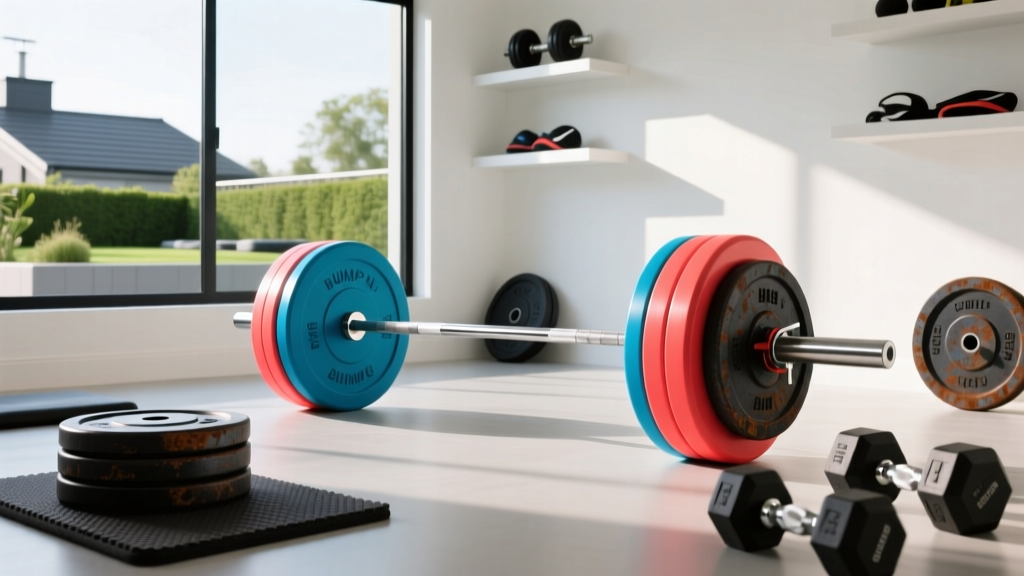
Bumper vs Iron Plates: 2026 Trends & The Machine Fly With Dumbbells
Analyze 2026 bumper plate vs iron plate market trends, cost data, and clearance strategies for the machine fly with dumbbells and plate-loaded rigs.

The 2026 Weight Plate Market Landscape
As we navigate the 2026 fitness equipment market, the debate between bumper plates and traditional iron plates has evolved far beyond simple aesthetics or dropping weights from overhead. The modern home and commercial gym ecosystem has matured, driven by a surge in hybrid training methodologies that blend Olympic weightlifting with hypertrophy-focused bodybuilding. According to recent industry analyses highlighted by Garage Gym Reviews, consumers are no longer buying single-material sets; they are strategically curating hybrid plate collections to accommodate specialized plate-loaded machines, functional trainers, and specific biomechanical ranges of motion.
The market has seen a distinct shift. While crumb rubber bumpers dominated the budget home gym space in the early 2020s, 2026 trends show a massive pivot toward virgin rubber and urethane bumpers for commercial durability, alongside a strong resurgence of precision-machined steel iron plates for space efficiency and specialized machine loading.
📊 2026 Market Insight: Urethane bumper plates now command over 40% of the premium commercial market due to their near-indestructible nature and lack of odor, while machined steel iron plates have seen a 22% year-over-year growth in the home gym sector, driven by the proliferation of compact, plate-loaded isolation machines.Bumper Plate vs Iron Plate: Core Comparison Matrix
To understand purchasing behaviors in 2026, we must look at the raw data. The choice between bumper and iron is no longer just about noise reduction; it is about sleeve real estate, thickness tolerances, and machine compatibility. Below is a data-driven comparison matrix based on current market standards for 45lb (20kg) plates.
| Feature | Crumb Rubber Bumper | Virgin Rubber Bumper | Machined Steel (Iron) | Urethane Bumper |
|---|---|---|---|---|
| Avg Cost per lb | $1.50 - $2.00 | $2.50 - $3.50 | $2.00 - $3.00 | $4.50 - $6.50 |
| Thickness (45lb) | 3.25 - 4.0 inches | 2.15 - 2.5 inches | 1.1 - 1.3 inches | 2.0 - 2.2 inches |
| Diameter | 17.7 inches | 17.7 inches | 17.7 inches (45lb) | 17.7 inches |
| Drop Rating | High (but degrades) | Very High | Zero (Floor Damage) | Extreme |
| Sleeve Capacity | Low (Max ~500lb) | Medium (Max ~600lb) | High (Max 1000lb+) | Medium-High |
The Clearance Dilemma: Plate-Loaded Machines and the Machine Fly with Dumbbells
Perhaps the most critical, yet frequently overlooked, factor driving the 2026 iron plate resurgence is machine clearance. As high-end plate-loaded isolation machines—such as those from Sorinex, Prime Fitness, and Arsenal Strength—become more accessible for luxury home gyms, lifters are encountering a frustrating biomechanical roadblock: the 17.7-inch diameter standard.
Consider the mechanics of performing a machine fly with dumbbells on a plate-loaded iso-lateral rig. Unlike a standard barbell bench press where the plates are elevated high in the air, a plate-loaded fly machine positions the weight horns low to the ground or directly adjacent to the floor to maintain a specific cambered leverage curve. When you attempt to load 45lb or 25lb bumper plates onto these low-clearance pegs to execute a machine fly with dumbbells (or a plate-loaded dumbbell fly variation), the 17.7-inch diameter of the bumper plate will violently strike the floor or the machine's protective shrouds at the bottom of the eccentric stretch.
Why Diameter Dictates Hypertrophy
In hypertrophy training, the deepest part of the stretch (the bottom of the fly) is where the most muscle damage and subsequent growth occur. If your bumper plates hit the floor before your pectorals reach full extension, you are robbing yourself of the most valuable portion of the lift. This is where machined steel iron plates become non-negotiable.
⚠️ Expert Warning: Never force a full range of motion on a low-peg plate-loaded fly machine using bumper plates. The resulting leverage shift can bend the machine's weight horns, void your warranty, and cause severe shoulder impingement as the bar path artificially stops short.By utilizing 25lb and 10lb machined iron plates, which measure approximately 13.5 inches and 9 inches in diameter respectively, you maintain complete floor clearance. This allows for an unimpeded, deep stretch during your machine fly with dumbbells, maximizing the hypertrophic stimulus while protecting your equipment. For a deep dive into how plate dimensions affect machine leverage, refer to the engineering standards discussed in Barbend's comprehensive plate material analysis.
Cost Analysis: Building a Hybrid 500lb Set in 2026
Smart gym owners in 2026 are abandoning the 'all-or-nothing' mentality. Instead of spending $2,500 on a full set of urethane bumpers that will fail on isolation machines, the market trend is the Hybrid 500lb Set. This strategy pairs high-drop bumpers for Olympic lifts with precision iron plates for machine loading and heavy barbell sleeve capacity.
Here is the exact purchasing framework and cost breakdown for a modern hybrid setup:
- 1x Pair 45lb Virgin Rubber Bumpers ($220): Used for deadlifts, cleans, and snatches. Sourced from brands like Rep Fitness or Rogue (Rogue Echo specifications remain the gold standard for durometer ratings).
- 2x Pairs 45lb Machined Steel Iron Plates ($360): Used for heavy squats, bench press, and loading the main weight stack of plate-loaded leg presses.
- 2x Pairs 25lb Cast Iron Plates ($140): The absolute necessity for the machine fly with dumbbells, low-pulley cable stacks, and landmine attachments where bumper clearance fails.
- 2x Pairs 10lb Cast Iron Plates ($70): Crucial for micro-loading and tight-clearance functional trainer pegs.
- Fractional Plates (Urethane, 1.25lb - 2.5lb) ($60): For precise progressive overload.
Total Investment: ~$850. This hybrid approach saves roughly 35% compared to a full premium bumper set while offering 100% more utility across specialized isolation machines.
Expert Verdict: What Should You Buy?
If your training exclusively involves Olympic weightlifting, CrossFit WODs, and basic barbell powerlifting in a garage with rubber flooring, a full set of virgin rubber or urethane bumper plates remains the undisputed champion. The dead bounce and floor protection are irreplaceable.
However, if your 2026 gym setup includes a functional trainer, a plate-loaded iso-lateral chest press, or you regularly perform the machine fly with dumbbells on a low-horn rig, you must integrate iron plates into your arsenal. The market has spoken: versatility and biomechanical clearance are outperforming the aesthetic appeal of uniform black rubber. Invest in a hybrid set, prioritize machined steel for your 25lb and 10lb increments, and never let a 17.7-inch bumper plate rob you of a full eccentric stretch again.
Frequently Asked Questions
Can I use bumper plates on a standard functional trainer cable machine?
Yes, but with caution. Most functional trainer weight pegs are elevated enough to clear a 17.7-inch bumper plate. However, if you are dropping the weight stack to the floor between sets, the thick profile of crumb rubber bumpers can cause the peg to bend over time due to the extreme leverage generated by the thick plate resting against the carriage.
Why do iron plates rust, and how do I prevent it in 2026?
Traditional cast iron plates are prone to oxidation, especially in humid garage environments. In 2026, the market has largely shifted to machined steel with zinc or chrome plating, or electrostatic powder-coated cast iron. To maintain them, simply wipe them down with a silicone-based lubricant or 3-in-One oil once a quarter to displace moisture.
Are urethane bumpers worth the $5+ per pound cost?
For commercial facilities open 24/7 where plates are dropped by inexperienced users, absolutely. Urethane does not degrade, emit odors, or chip like rubber. For the average home gym user, high-quality virgin rubber (like Rogue Echo or Rep Black Bumpers) offers 90% of the performance at half the cost.
More gear to consider
All reviews
Barbell vs Dumbbell Shrugs: Troubleshooting Neoprene Home Workouts

Swap Standing Rows with Dumbbells: Kettlebell Buying & Care Guide
Olympic vs Standard Plates & B Stance RDL with Dumbbells

Lower Body Dumbbell Workout Plateau? Power Rack vs Squat Rack vs Stand
Kettlebell Trends 2026: Beyond Gym Exercises With Dumbbells
