
Block & Strap Buying Guide: Budgets + How to Wash Jade Yoga Mat
Master your yoga gear budget with our 2026 block and strap buying guide. Plus, learn the exact steps to safely wash Jade yoga mat natural rubber.

The Economics of Yoga Props: Budget vs. Premium
Building a functional yoga kit often leads practitioners down a rabbit hole of micro-transactions. While a premium mat commands the lion's share of your budget, the ancillary gear—specifically blocks and straps—dictates the longevity and safety of your practice. In 2026, the market is saturated with ultra-cheap foam blocks and nylon straps that degrade within months, creating a false economy. According to Yoga Journal, improper or degraded props are a leading contributor to minor joint strains in home practices. This guide breaks down the true cost-per-use of yoga blocks and straps, helping you allocate your budget toward gear that actually supports your biomechanics, while also covering essential maintenance protocols for your primary investment.
2026 Yoga Block Material Breakdown
Not all blocks are created equal. The standard dimensions for a yoga block are 4" x 6" x 9", but the material density determines whether the block will support your weight in a standing lunge or compress dangerously. Below is a value analysis of the current market offerings.
| Material | Avg Price (2026) | Density & Lifespan | Best Use Case |
|---|---|---|---|
| Standard EVA Foam | $8 - $12 | Low / 1-2 Years | Restorative yoga, light support |
| High-Density EVA Foam | $14 - $22 | Medium / 3-5 Years | Vinyasa, Hatha, general alignment |
| Sustainable Cork | $18 - $28 | High / 5-10 Years | Weight-bearing, balance, hot yoga |
| Bamboo / Hardwood | $25 - $45 | Maximum / Lifetime | Studio use, Iyengar precision |
The EVA Foam Spectrum and Failure Modes
Cheap EVA (Ethylene-Vinyl Acetate) foam blocks are notoriously porous. The primary failure mode for budget foam blocks is edge-peeling and permanent compression indentations. If you frequently use blocks for weight-bearing poses like Parsvottanasana (Pyramid Pose), low-density foam will compress unevenly, creating a sloped surface that compromises your ankle stability. Always look for 'high-density' or 'compression-molded' EVA if you are buying foam. Brands like Manduka and Hugger Mugger utilize closed-cell, high-density EVA that resists sweat absorption and maintains structural integrity for years.
Cork Blocks: The Sweat-Resistant Alternative
Cork is naturally antimicrobial and provides a tactile grip that actually improves when slightly damp, making it the superior choice for Hot Yoga or heavy sweaters. However, cork is susceptible to chipping if dropped repeatedly on hardwood floors, and it can crumble if stored in highly humid, unventilated spaces. To maximize the ROI of cork blocks, store them in a dry, climate-controlled room rather than leaving them in the trunk of your car.
Yoga Strap Value Analysis: Buckle Mechanics and Fabric Tensile Strength
Yoga straps are essentially biomechanical extensions of your hamstrings and shoulders. The two main variables in strap purchasing are the fabric (cotton vs. nylon) and the buckle mechanism (D-ring vs. plastic cinch).
Why D-Ring Cotton Outperforms Nylon Cinch Straps
Cotton D-Ring Straps ($12 - $20): Woven cotton provides a slight texture that prevents the strap from slipping through your grip during intense stretches like Supta Padangusthasana (Reclining Hand-to-Big-Toe Pose). The metal D-ring creates a secure, infinite-loop locking mechanism that will not slip under high tension. A standard 8-foot cotton strap is the most versatile length for practitioners under 6 feet tall.
Nylon Cinch Straps ($8 - $15): Nylon is slicker, which can cause the strap to slide through sweaty hands. The plastic cinch buckle is the critical point of failure. Under the high tensile load of deep shoulder openers or hamstring stretches, cheap plastic cinches frequently snap or slip, potentially causing sudden recoil injuries. If you must buy nylon for its quick-dry properties in Bikram environments, ensure the cinch buckle is made of impact-resistant polycarbonate, not standard ABS plastic.
Pro-Tip: Avoid straps with metal loops that are welded thinly. Look for D-rings that are thick, smooth, and preferably nickel-plated to prevent rust stains on your cotton strap after washing.
Protecting the Core Investment: Mat Maintenance
Allocating budget toward high-quality blocks and straps is only half the equation; protecting your primary mat is where long-term value is realized. Natural rubber mats, while offering unparalleled grip and eco-friendly credentials, require highly specific maintenance protocols to prevent polymer degradation.
How to Safely Wash Jade Yoga Mat Natural Rubber
Many practitioners search for the best way to wash Jade yoga mat surfaces, but natural open-cell rubber is highly reactive to common household cleaners and essential oils. Unlike closed-cell PVC or TPE mats, open-cell rubber absorbs liquids. If you use harsh detergents, the surfactants break down the natural latex bonds, causing the mat to dry out, flake, and lose its signature grip.
⚠️ The Essential Oil Trap
Never use tea tree, lavender, or eucalyptus oils when cleaning natural rubber mats. While popular in DIY yoga sprays, essential oils are potent solvents that will rapidly dissolve the natural rubber polymers, leaving your mat permanently slick and structurally compromised.
The Correct Washing Protocol:
- Spot Cleaning (Weekly): Mix a solution of 1 part white vinegar to 20 parts distilled water. Lightly mist the mat and wipe with a microfiber cloth. The mild acidity neutralizes sweat salts without damaging the rubber.
- Deep Cleaning (Monthly): If you need to wash, Jade yoga mat care guidelines recommend using a highly diluted, pH-neutral soap. Use a single drop of unscented Castile soap in a basin of lukewarm water. Submerge the mat, gently agitate, and rinse thoroughly with a showerhead.
- Drying: Never wring or twist a natural rubber mat. Lay it flat on a dry towel, roll it up to absorb excess water, and then unroll it to air dry in a shaded, well-ventilated area. UV radiation from direct sunlight will oxidize and crack the rubber within weeks.
For detailed manufacturer specifications, always refer to the Jade Yoga Official Care Guidelines, which explicitly outline the warranty conditions related to chemical damage. Furthermore, when selecting soaps, cross-referencing with the EPA Safer Choice Standards ensures you are using surfactants that will not degrade biodegradable materials.
The 2026 Gear Allocation Framework
If you have a $100 accessory budget to complement your mat, here is the optimal distribution for maximum biomechanical ROI:
- $24: One High-Density Cork Block (Superior stability and sweat resistance).
- $16: One 8-Foot Cotton D-Ring Strap (Maximum tensile safety and grip).
- $15: pH-Neutral Castile Soap & Microfiber Cloths (For safe mat washing).
- $45: Reserve for a premium secondary prop (e.g., a firm bolster for restorative work or a second cork block for bilateral symmetry in standing poses).
Frequently Asked Questions
Can I use a cork block for restorative yoga?
While cork is excellent for support, its hard surface can be uncomfortable against the spine or sacrum during long-held restorative poses. For restorative work, high-density EVA foam or a dedicated bolster is preferable to prevent bruising.
How often should I replace my yoga strap?
A high-quality cotton D-ring strap should last a lifetime. You only need to replace it if the cotton webbing begins to fray at the edges or if the metal D-rings show signs of deep rust or structural bending.
Is it safe to machine wash cotton yoga straps?
Yes, but place the strap inside a mesh laundry bag to prevent the metal D-rings from banging against the washing machine drum, which can damage both the machine and the strap's stitching. Air dry only.
More gear to consider
All reviews
Stability Ball vs BOSU Ball: Are Thicker Yoga Mats Better?
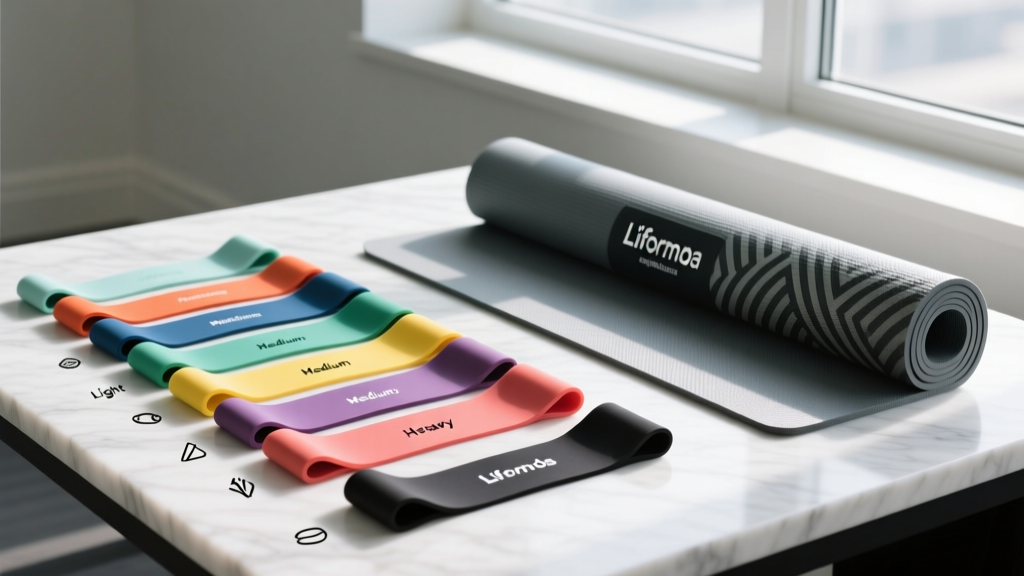
Band Sets: Levels, Types & The Liforme Yoga Mat Discount Code Myth

Beyond the OKO Yoga Mat: Pull-Up Assist Band Sizing

Density Common Mistakes: Why Your Resistance Bands Are Underperforming (and How to Fix Them)

2026 Budget: Stability Ball vs BOSU Ball & Bulk Yoga Mats Value
