
Back Workout with Dumbbells Female Guide: Barbell Weight & Knurling
Master your back workout with dumbbells. Female lifters: learn when to upgrade to Olympic barbells, including 15kg weight specs and knurling guides.

The Dumbbell Plateau: Troubleshooting Your Back Workout
When programming a back workout with dumbbells, female lifters frequently hit a progressive overload wall. Dumbbells are phenomenal for unilateral movements like single-arm rows, chest-supported variations, and rear delt flyes. However, as your latissimus dorsi and rhomboids adapt, you will inevitably encounter the mechanical and physiological limits of free weights.
The most common mistake we see in home gyms is attempting to force heavy compound back development using adjustable dumbbells that max out at 50 to 90 pounds. At this stage, your grip strength and the stabilization required to hold two heavy independent weights will fail before your back muscles do. This is the exact troubleshooting threshold where transitioning to an Olympic barbell becomes non-negotiable for continued hypertrophy and strength gains.
Olympic Barbell Weight: Why the 15kg Women's Bar Matters
A critical error female lifters make when upgrading from dumbbells is purchasing a standard 20kg (44 lb) men's Olympic barbell without considering the shaft diameter. According to USA Weightlifting standards, the official women's Olympic barbell weighs 15kg (33 lbs) and features a 25mm shaft diameter, compared to the 28mm or 29mm shaft found on men's bars.
The Biomechanics of Shaft Diameter on Back Days
Why does 3 millimeters matter for a back workout? Grip fatigue. During heavy barbell rows, rack pulls, and deadlifts, a 29mm power bar forces the fingers wider apart, reducing the mechanical advantage of the flexor digitorum muscles. For female lifters with proportionally smaller hand spans, a 25mm shaft allows for a full, secure wrap of the fingers, drastically reducing grip failure during high-volume back hypertrophy work.
- 15kg (33 lbs) Women's Bar: 25mm shaft, optimal for female grip strength, ideal for rows and deadlifts.
- 20kg (44 lbs) Men's Bar: 28mm - 29mm shaft, better for heavy pressing, but can cause premature grip fatigue on back days.
- Tensile Strength: Look for a minimum of 190,000 PSI. Anything lower will result in permanent bar bending when dropping heavy deadlifts.
Decoding Knurling: The Secret to Heavy Back Days
Knurling is the machined pattern on the steel shaft designed to increase friction. If you are transitioning from the smooth, neoprene or rubber-coated handles of dumbbells, raw steel knurling can be a shock to the system. Choosing the wrong knurl pattern is a primary reason lifters abandon barbell back workouts due to torn calluses.
The Three Knurl Profiles
Based on extensive testing and industry reviews, such as those found in BarBend's guide to women's barbells, knurling generally falls into three categories:
- Hill (Mild): The peaks of the knurl are rounded off. It feels smooth and is comfortable for high-rep sets, but it can become slippery during heavy, sweaty deadlifts or bent-over rows.
- Mountain (Aggressive): Sharp, pointed peaks that dig deeply into the skin. Excellent for 1-rep max deadlifts, but absolutely brutal for a 4-set x 10-rep barbell row back workout. It will tear your hands.
- Volcano (The Sweet Spot): The peaks are slightly flattened with deep grooves. It provides a massive surface area for grip without acting like a cheese grater. This is the gold standard for back hypertrophy.
'For a female lifter focusing on back hypertrophy, a volcano knurl on a 25mm stainless steel shaft is the ultimate combination. It locks the bar into your hands during heavy rows without destroying your skin for the rest of the week.'
Comparison Matrix: Dumbbell vs. Barbell Back Training
Understanding when to use which tool will optimize your weekly programming. Here is a troubleshooting matrix to help you structure your back days.
| Movement | Dumbbell Application | Barbell Application | Troubleshooting Tip |
|---|---|---|---|
| Bent-Over Rows | Great for isolating lats and fixing imbalances. | Superior for overall back thickness and heavy overload. | Use DBs for warm-ups; Barbells for heavy working sets. |
| Pendlay Rows | Not applicable (requires barbell). | Explosive power from a dead stop on the floor. | Ensure your 15kg bar has center knurl for alignment. |
| Rack Pulls | Limited by max DB weight (usually 90 lbs). | Allows for supramaximal loading of the upper back. | Use lifting straps if grip fails before back muscles. |
| Reverse Flyes | Ideal for rear delts and rhomboid isolation. | Too heavy and awkward for rear delt isolation. | Keep DBs in your routine for finisher exercises. |
Top Barbell Picks for Female Lifters in 2026
If you are ready to upgrade your home gym, you need equipment that respects your biomechanics. Here are the top 15kg Olympic barbells currently dominating the market, featuring pricing accurate for 2026.
1. Rogue Bella Bar 2.0 (Stainless Steel)
Price: ~$395 | Knurl: Volcano | Shaft: 25mm
The Bella Bar remains the undisputed champion for female lifters. The stainless steel shaft requires zero maintenance and provides a bare-steel feel that enhances grip during heavy back workouts. The bronze bushings offer a smooth spin without the excessive whiplash of needle bearings.
2. Rep Fitness Excalibur 15kg
Price: ~$289 | Knurl: Mild Volcano | Shaft: 25mm
A phenomenal budget-friendly alternative. The knurl is slightly milder than the Rogue, making it an excellent choice if you are transitioning directly from rubber dumbbells and have sensitive hands. You can view more options on the Rogue Fitness or Rep Fitness catalogs.
3. Eleiko Olympic WL Training Bar (15kg)
Price: ~$950+ | Knurl: Refined Mountain | Shaft: 25mm
For the competitive Olympic weightlifter who also trains back hypertrophy. The knurl is aggressive but refined. It is overkill for a pure home-gym bodybuilder, but unmatched in quality and tensile strength (215k PSI).
Common Buying Mistakes to Avoid
Before you click checkout, ensure you are not falling victim to these common equipment traps:
- Buying a 'Multi-Purpose' 28.5mm Bar: Many brands sell 28.5mm shafts as a compromise. For female lifters with smaller hands, this is too thick for optimal back day grip. Stick strictly to 25mm.
- Ignoring the Sleeve Finish: If you buy a bar with black oxide sleeves, it will rust in your garage within 6 months. Always opt for hard chrome, QPQ, or stainless steel sleeves.
- Over-prioritizing Spin: Needle bearings are designed for the rapid wrist transitions of the snatch and clean & jerk. For back workouts (rows, deadlifts), you want a bar with bushings. Too much spin on a heavy row can actually make the bar feel unstable in your hands.
Final Troubleshooting Takeaway
Dumbbells will always have a place in your back workout for isolation and unilateral correction. However, recognizing the exact moment your back muscles outgrow your dumbbell grip is the hallmark of an advanced lifter. By investing in a 15kg Olympic barbell with a 25mm shaft and volcano knurling, you unlock the progressive overload required to build a truly strong, dense, and resilient back.
More gear to consider
All reviews
Cast Iron vs Competition Kettlebells: Upgrading Dumbbell Exercises That Target Triceps

Perfecting the Dumbbell Row for Lats: Rubber Hex vs Urethane
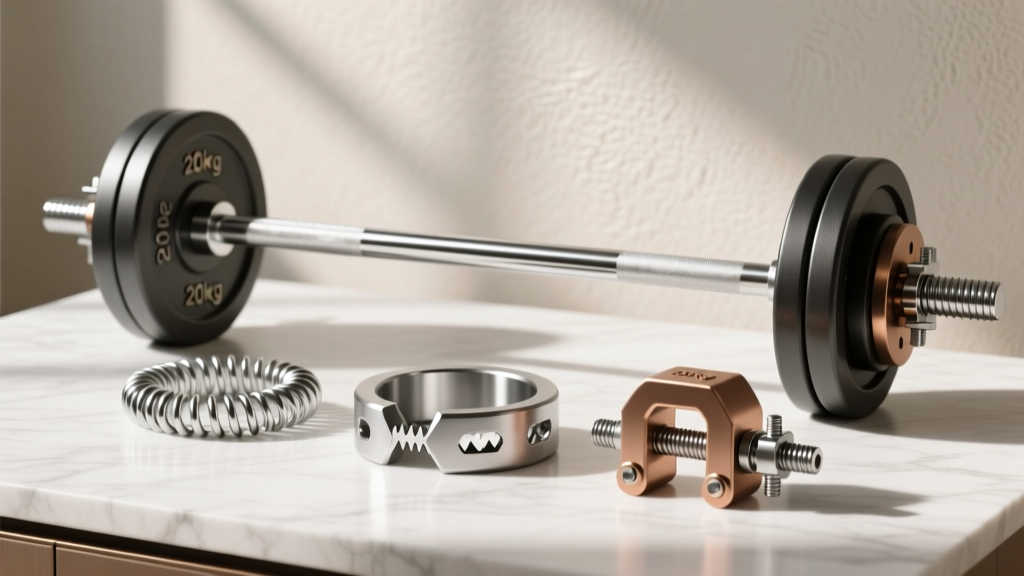
Beyond Dumbbell Exercises for Fat Loss: Barbell Collars Compared
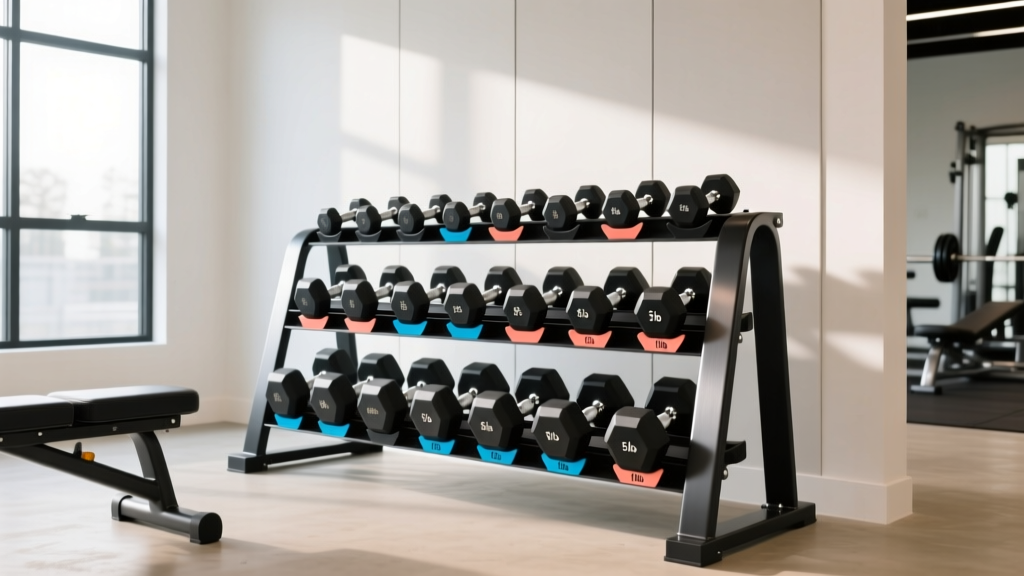
Dumbbell Racks for Weighted Sit Ups: 2026 Storage Market Trends
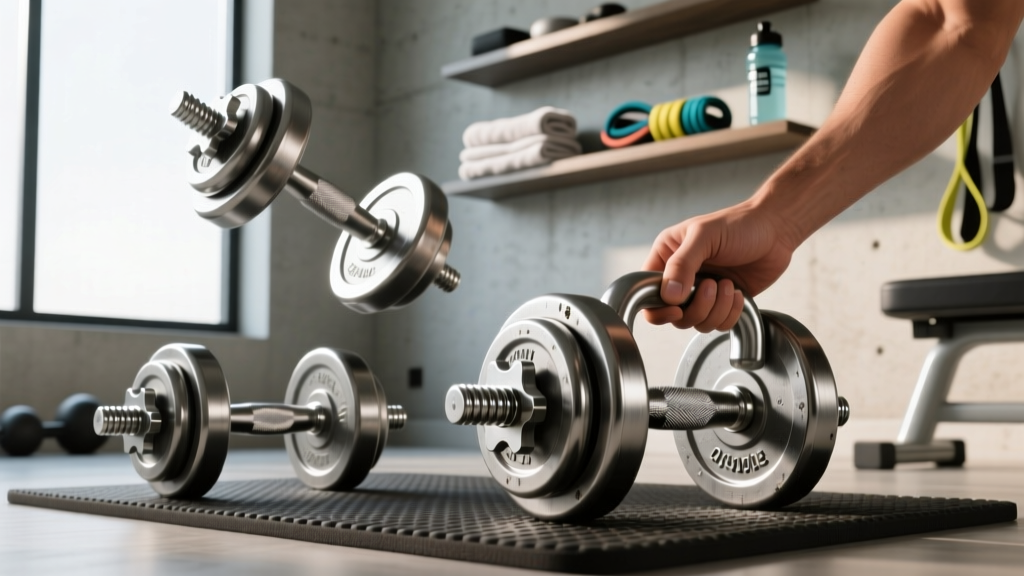
How to Use Dumbbells Effectively: Loadable Dumbbell Maintenance
