Power Rack vs Squat Rack vs Squat Stand for Your Dumbbell Rose Gym
Compare power racks, squat racks, and squat stands to find the perfect rig for your boutique dumbbell rose aesthetic home gym. Expert 2026 buying guide.

The 2026 Boutique Home Gym Dilemma
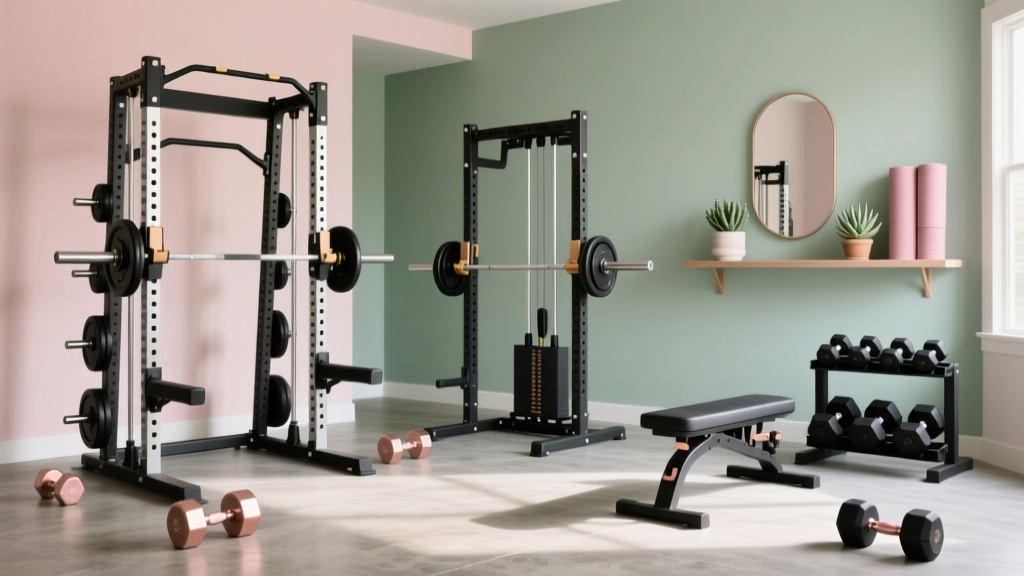
The home fitness landscape has evolved dramatically. We are no longer just throwing together mismatched iron in a damp basement. The defining trend of 2026 is the curated, boutique home gym, and at the center of this design movement is the dumbbell rose aesthetic. Characterized by premium rose-tinted urethane or rose-anodized aluminum dumbbells, this sophisticated colorway demands a backdrop that matches its high-end visual appeal and functional requirements.
But a premium dumbbell set is only as good as the infrastructure supporting it. When outfitting your space, you face the ultimate structural decision: power rack vs squat rack vs squat stand. Each option offers distinct advantages regarding footprint, safety, attachment compatibility, and aesthetic integration. In this head-to-head comparison, we break down the exact specifications, pricing, and real-world limitations of each rig type to help you build the ultimate sanctuary for your training.
Defining the Contenders: The Big Three
Before comparing specific models, we must establish the architectural differences between the three primary barbell housing systems.
1. The Power Rack (Full Cage)
A power rack consists of four vertical uprights connected by crossmembers, creating an enclosed "cage." It features integrated safety pins or straps, allowing you to fail a lift safely without a spotter. Modern iterations, like the Rep Fitness PR-4000, utilize 3x3-inch, 11-gauge steel and offer infinite modularity via attachment points on all four sides.
2. The Squat Rack (Open-Air Rig)
Often confused with power racks, a true squat rack (or half-rack) typically features two main uprights with a rear stabilizing crossmember. It provides an open-air feel, making it easier to perform dynamic movements like muscle-ups or lateral band work, while still offering robust safety spotter arms that extend outward.
3. The Squat Stand (Minimalist Uprights)
Squat stands are two independent, freestanding uprights with heavy base feet. They have the smallest footprint and are highly portable but lack the integrated safety cages and extensive attachment ecosystems of their larger counterparts.
Head-to-Head Comparison Matrix
| Feature | Power Rack (e.g., Rogue Monster) | Squat Rack (e.g., Titan T-2) | Squat Stand (e.g., Rogue S-2) |
|---|---|---|---|
| Average Footprint | 48" x 48" to 53" x 53" | 48" x 24" (excluding spotter arms) | 24" x 24" per stand |
| 2026 Price Range | $1,200 - $3,500+ | $450 - $900 | $300 - $550 |
| Safety Mechanism | Internal Pin Pipes / Strap Safeties | External Flip-Down Spotter Arms | External Spotter Arms (Tipping Risk) |
| Dumbbell Storage Integration | Excellent (3-Tier Rack Attachments) | Moderate (Limited side-mount options) | Poor (Requires standalone rack) |
| Aesthetic Customization | High (Custom colors, laser-cut plates) | Moderate (Standard powder coats) | Low (Utilitarian focus) |
Deep Dive: Power Racks (The Fortress)
If you are investing in a high-end dumbbell rose urethane set—where a single pair can cost upwards of $400—you need a storage and training ecosystem that protects your investment. Power racks are the undisputed champions of integration.
According to extensive testing by Garage Gym Reviews, the 3x3-inch 11-gauge steel upright standard has become the baseline for premium home gyms. The primary advantage of the power rack for the boutique gym owner is the attachment ecosystem. You can mount a 3-tier dumbbell storage shelf directly to the front or side of the cage.
Expert Tip: Protecting the Rose FinishWhen outfitting your power rack's dumbbell storage shelf, ensure the saddles are lined with UHMW (Ultra-High Molecular Weight) polyethylene. Bare steel or cheap rubber will scuff and degrade the delicate rose-anodized or tinted urethane finishes over time. Brands like Rogue and Rep Fitness offer UHMW-lined storage attachments specifically designed to preserve premium dumbbell knurling and coatings.
The Verdict on Power Racks: Choose a power rack if you have a minimum ceiling height of 84 inches, a dedicated 10x10 foot space, and a budget exceeding $1,500. It is the only option that safely houses heavy barbell work while simultaneously acting as a display and storage unit for your premium dumbbell collection.
Deep Dive: Squat Racks (The Open-Air Workhorse)
The squat rack (or half-rack) is the compromise between the fortress-like security of a power rack and the spatial efficiency of a stand. Models like the Titan Fitness T-2 or the Rogue SML Series provide a rigid, bolt-down base with two front uprights.
For the athlete who incorporates a lot of Olympic lifting, kettlebell swings, or lateral band work into their routine, the open front of a squat rack is highly advantageous. You aren't confined by the 48-inch width of a cage. However, integrating your dumbbell rose collection is more challenging. Most half-racks do not support front-mounted 3-tier dumbbell shelves because it would obstruct the barbell path. Instead, you must rely on side-mounted vertical dumbbell racks or purchase a standalone horizontal rack, which fragments your gym's aesthetic cohesion.
Deep Dive: Squat Stands (The Minimalist)
Squat stands are essentially two heavy-duty tripods or quad-bases with J-cups on top. They are incredibly popular for apartment dwellers, garage gyms with low ceilings, or multi-use spaces where the equipment must be moved or folded away.
WARNING: The Tipping HazardIf you use squat stands with extended spotter arms, you MUST bolt the stands to a concrete floor or use heavily weighted rear stabilizers. Failing a bench press and dropping the bar onto the spotter arms of an unanchored squat stand will cause the entire unit to flip forward, resulting in severe injury or property damage.
While squat stands excel in spatial economy, they fail the boutique aesthetic test. They offer zero native storage. Your dumbbell rose set will need to live on a completely separate, standalone rack, breaking the visual symmetry of your training space. Furthermore, squat stands lack pull-up bars, lat pulldown attachment points, and cable crossover capabilities.
Integrating the Dumbbell Rose Aesthetic: A Design Framework
Creating a cohesive home gym in 2026 is about treating the space like a high-end studio. Here is a 3-step framework for matching your rack choice to your premium dumbbell set:
- Color Matching: If your dumbbells feature a rose-gold or blush urethane finish, pair them with a matte black or gloss white powder-coated power rack. Avoid competing colors like red or blue, which clash with the warm undertones of the rose aesthetic.
- Hardware Accents: Upgrade your rack's J-cups and spotter arms to anodized aluminum or brass hardware. This subtle metallic pop bridges the gap between the industrial steel of the rack and the premium finish of your dumbbells.
- Lighting and Placement: Position your power rack's dumbbell storage shelf facing the room's primary light source or architectural window. Urethane and anodized aluminum reflect light beautifully, turning your equipment into a functional art piece.
"The shift toward boutique home fitness means equipment is no longer just utilitarian; it is an extension of interior design. A premium dumbbell set requires a rack that acts as both a secure vault and a display pedestal."
— 2026 Home Fitness Design Report
Frequently Asked Questions
What is Westside hole spacing, and do I need it?
Westside hole spacing refers to a 1-inch hole spacing pattern in the bench press zone (compared to the standard 2-inch spacing higher up on the uprights). This allows you to set your safety pins at exact micro-increments, which is critical for bench press safety. If you are buying a premium power rack or squat rack in 2026, Westside spacing is considered mandatory for serious lifters.
Can I attach a pull-up bar to a squat stand?
Generally, no. Most squat stands are not designed to handle the lateral torque and dynamic kipping forces of a pull-up bar. Attempting to mount one can compromise the structural integrity of the stand's base welds. If pull-ups are a staple in your programming, you must upgrade to a squat rack or power rack.
How much weight can a 3-tier dumbbell rack attachment hold?
A high-quality, 3x3-inch steel 3-tier dumbbell storage attachment rated for 11-gauge steel can typically hold between 800 and 1,200 pounds, depending on the manufacturer. This is more than sufficient to house a complete 5-to-50-pound dumbbell rose urethane set, which weighs approximately 550 pounds total.
Final Verdict: Which Rack Wins?
The choice between a power rack, squat rack, and squat stand ultimately comes down to your spatial constraints and your commitment to the boutique aesthetic.
- Choose the Power Rack if you want the ultimate safe, all-in-one training vault that natively stores and displays your dumbbell rose collection without compromising floor space.
- Choose the Squat Rack if you need an open-air environment for Olympic lifting and dynamic movements, and don't mind buying a separate standalone dumbbell storage unit.
- Choose the Squat Stand only if you are severely limited by square footage, ceiling height, or budget, and are willing to sacrifice integrated storage and maximum safety features.
By aligning your structural steel with your premium accessories, you ensure that your 2026 home gym is as visually stunning as it is functionally bulletproof.
More gear to consider
All reviews
Urethane vs Rubber Hex: 2026 Tricep Skull Crusher Dumbbell Trends
Cast Iron vs Competition Kettlebells: Dumbbell Curls Calories Burned

Barbell Collar Types vs. PowerBlock Pro 50 Dumbbells Security

Rubber Hex vs Urethane: Space Layouts for Dumbbell Curls on Bench

Bowflex Dumbbells vs PowerBlock: 2026 Head-to-Head Review
