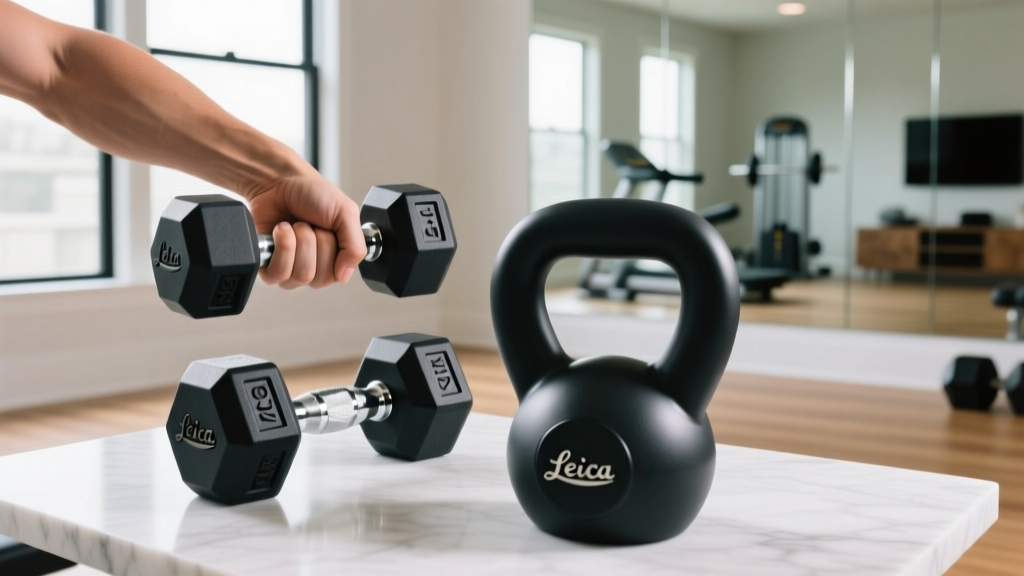
Hex vs Urethane Dumbbells for Single Arm Neutral Grip Rows
We test rubber hex vs urethane dumbbells for the single arm neutral grip dumbbell row. Discover which handle and coating maximizes lat activation.

The Biomechanical Demand of the Single Arm Neutral Grip Dumbbell Row
When building a resilient, V-tapered back, the single arm neutral grip dumbbell row is a non-negotiable staple. Unlike bilateral barbell rows that allow for momentum and lower-back involvement, this unilateral movement isolates the latissimus dorsi, rhomboids, and posterior deltoids while demanding rigorous core stabilization. According to BarBend's comprehensive exercise guide, maintaining a neutral wrist and pulling the elbow toward the hip is critical for maximum lat engagement. However, there is a hidden variable that often sabotages this movement: your equipment.
Specifically, the battle between rubber hex dumbbell vs urethane dumbbell coatings and handle designs dictates whether your lats or your forearms reach failure first. In this hands-on review, we break down exactly how these two dumbbell categories perform under the heavy shear forces of single-arm rowing, complete with exact pricing, durometer ratings, and failure modes you need to know before outfitting your home gym in 2026.
Expert Insight: The Grip Bottleneck
The single arm neutral grip dumbbell row places immense shear force on the phalanges. If your dumbbell handle is too thick or lacks adequate knurling, your brachioradialis and flexor digitorum will fatigue long before your lats achieve mechanical tension. Equipment choice directly alters your hypertrophy stimulus.
Rubber Hex Dumbbells: The Budget Workhorse Under the Microscope
Rubber hex dumbbells, such as the ubiquitous CAP Barbell Cast Iron Hex series, are the default choice for budget-conscious home gyms. Priced attractively between $1.50 and $1.80 per pound, a 150-pound set can often be sourced for under $280. The hexagonal polyurethane-rubber blend heads prevent rolling, which is excellent for floor-based movements like renegade rows or goblet squats. But how do they fare for heavy, standing single-arm pulls?
Handle Geometry and Knurling Deficits
Most entry-level rubber hex dumbbells feature a solid chrome handle with a diameter ranging from 34mm to 35mm. While a thicker handle can theoretically improve grip strength over time, it is highly detrimental to the single arm neutral grip dumbbell row. A 35mm handle forces the fingers into a more extended position, reducing the mechanical advantage of the crushing grip. Furthermore, the knurling on budget hex dumbbells is notoriously shallow—often described as 'cosmetic' rather than functional. When sweat accumulates during a heavy 8-rep set with an 80-pound dumbbell, the smooth chrome becomes a liability, forcing you to rely on lifting straps to maintain the neutral wrist alignment required for proper lat activation.
Long-Term Failure Modes
- Chrome Flaking: After 12 to 18 months of heavy use, the chrome plating on budget handles frequently begins to pit and flake, creating sharp edges that tear calluses during heavy pulling motions.
- Rubber Degradation: The rubber coating on hex heads is prone to drying out, cracking, and peeling when exposed to UV light or temperature fluctuations in an uninsulated garage gym.
- Off-Gassing: Cheaper rubber compounds release volatile organic compounds (VOCs), resulting in a persistent 'tire shop' odor that can make intense, high-breath-rate rowing sets deeply unpleasant.
Urethane Dumbbells: The Premium Standard for Heavy Pulls
Urethane dumbbells represent the gold standard for commercial facilities and serious home gyms. Brands like Rogue Fitness and Rep Fitness utilize high-grade, virgin urethane that is entirely odorless and exceptionally durable. According to the Rogue Fitness equipment specifications, their premium urethane dumbbells boast a 90A durometer rating on the Shore A hardness scale. This means the heads are dense enough to resist denting and splitting, even when dropped onto rubber horse-stall mats after a grueling set of heavy rows.
The Knurling Advantage for Unilateral Rows
Where urethane dumbbells truly justify their $3.50 to $4.50 per pound price tag is in the handle engineering. Premium urethane sets typically feature a 32mm to 33mm handle diameter, which is ergonomically superior for the single arm neutral grip dumbbell row. This slightly thinner profile allows the fingers to wrap more securely, maximizing the surface area of contact. More importantly, the knurling is cut into the steel with precision—often featuring a medium-to-aggressive depth that bites into the skin without being overly abrasive. This aggressive texture locks the dumbbell into the neutral grip position, preventing the wrist from extending or rotating under load, thereby ensuring the latissimus dorsi remains the primary mover.
'Upgrading from rubber hex to urethane dumbbells was the single best investment for my back training. The knurling on my Rogue urethanes allows me to row 100-pound dumbbells for reps without my grip failing or my wrist slipping out of alignment.' — Verified Home Gym Owner Review, Garage Gym Reviews.
Head-to-Head Comparison Matrix
| Feature | Rubber Hex (e.g., CAP) | Urethane (e.g., Rogue) | Impact on Neutral Grip Row |
|---|---|---|---|
| Price Per Pound | $1.50 - $1.80 | $3.50 - $4.50 | Budget dictates initial setup; urethane is a long-term investment. |
| Handle Diameter | 34mm - 35mm | 32mm - 33mm | 32mm allows tighter grip, reducing forearm fatigue during heavy pulls. |
| Knurling Depth | Shallow / Cosmetic | Medium / Aggressive | Deep knurl prevents wrist extension and maintains neutral alignment. |
| Coating Durability | Low (Cracks, Peels) | High (90A Durometer) | Urethane survives drops and heavy gym use without degrading. |
| Odor Profile | High VOC Off-Gassing | Odorless | Odorless environment is crucial for high-exertion cardio/strength sets. |
Expert Buying Framework: Which Should You Choose?
Deciding between a rubber hex dumbbell vs urethane dumbbell setup requires an honest assessment of your training intensity, budget, and environment. Use this decision matrix to guide your purchase:
- Choose Rubber Hex If: You are outfitting a starter garage gym on a strict sub-$500 budget, your maximum rowing weight is under 60 pounds, and you primarily use lifting straps for heavy back work. Be prepared to replace them every 3 to 5 years as the rubber degrades.
- Choose Urethane If: You are an intermediate to advanced lifter rowing 80+ pound dumbbells, you train strap-free to build functional grip strength, and you want a 'buy it for life' equipment set. The 32mm knurled handles will directly improve your mind-muscle connection during the single arm neutral grip dumbbell row by eliminating grip slip.
Frequently Asked Questions
Can I use lifting straps with rubber hex dumbbells to compensate for the slick handle?
Yes, using figure-8 or lasso straps will bypass the slick chrome handle issue, allowing you to overload the lats. However, relying on straps exclusively prevents the development of the crushing grip strength required for advanced calisthenics and heavy deadlifts. Urethane knurling allows for heavy, strap-free rowing.
Does the hex shape matter for the single arm neutral grip dumbbell row?
The hex shape prevents the dumbbell from rolling away when placed on the floor or a bench between sets. While both rubber hex and premium urethane dumbbells (which also feature hex or multi-sided heads) offer this anti-roll benefit, the urethane's material density ensures the edges won't chip or crack when set down heavily between intense sets.
How do I maintain the knurling on my urethane dumbbells?
Chalk and dead skin will accumulate in the knurling valleys, reducing grip traction over time. Use a stiff nylon brush and a mild degreaser or rubbing alcohol once a month to scrub the handles. Avoid wire brushes, as they can damage the chrome or cerakote finish on premium handles.
More gear to consider
All reviews
Dumbbell Racks & Storage: Adding a Single Arm Dumbbell Row Machine
Free Weight Care: Cast Iron vs Competition Kettlebells & Back Workout with Dumbbells and Bench
Dumbbell Rack Care and Storage for a Safer Dumbbell Push Press

Dumbbell Rack Layouts: Space for Seated Dumbbell Front Raises
Power Rack vs Squat Stand: Female Dumbbell Gym Mistakes
