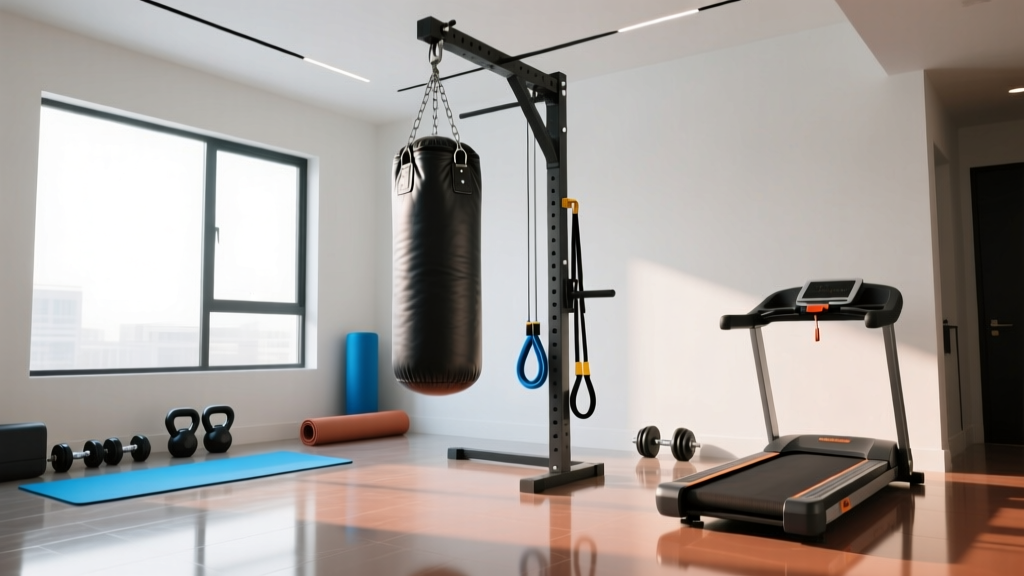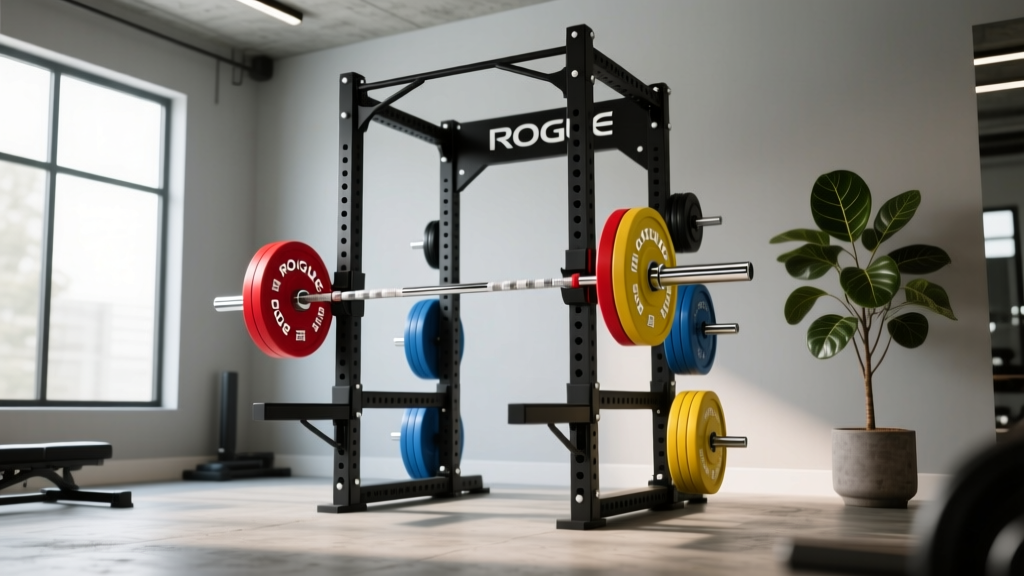
The Rouge Home Gym Starter Kit: Best Rogue Gear 2026
Build your dream rouge home gym with our 2026 beginner starter kit guide. Compare Rogue racks, barbells, and plates with exact pricing and specs.

The 'Rouge' vs. Rogue Reality Check
When browsing fitness forums or searching for premium garage setups, you will frequently see beginners searching for a rouge home gym. While 'rouge' translates to red in French—and the brand's iconic red logo is legendary in the strength community—the company you are actually looking for is Rogue Fitness. Autocorrect and phonetic spelling have made 'rouge home gym' a massive search trend, but the intent is clear: you want commercial-grade, American-made steel that will outlast you.
Building a premium home gym from scratch can be overwhelming. The market is flooded with budget Amazon alternatives that wobble under heavy loads and feature poorly machined barbells. For beginners committed to long-term progress, investing in a cohesive ecosystem is the smartest move. This 2026 starter kit guide breaks down the exact Rogue models you need, comparing specs, pricing, and real-world utility to help you build a bulletproof foundation.
💡 Expert Tip: Don't buy everything at once. The smartest approach to building your rouge home gym is to secure the rack, barbell, and flooring first. You can always add specialty bars, cable attachments, and dumbbells later as your training age increases.Why Start with a Premium Ecosystem?
Before diving into the specific models, it is crucial to understand why beginners should prioritize high-end gear over budget bundles. According to strength and conditioning guidelines outlined by the National Strength and Conditioning Association (NSCA), equipment stability and precise load calibration are critical for injury prevention and progressive overload.
- Resale Value: Rogue equipment holds its value incredibly well. If you upgrade or move, you can recoup 70-80% of your initial investment on the secondary market.
- Attachment Compatibility: The Monster Lite series uses standardized 3x3-inch uprights with 5/8-inch hardware, meaning any attachment you buy today will fit the rack you buy a decade from now.
- Tolerance and Machining: Budget barbells often have sleeves that are slightly off-diameter, making plate loading a frustrating chore. Rogue's machining tolerances are exact.
The 2026 Beginner Starter Kit: Core Equipment Comparison
Below is the ultimate comparison matrix for the essential components of your setup. We have selected the most versatile, space-efficient, and cost-effective models for a beginner who still demands commercial quality.
| Category | Recommended Model | Key Specification | 2026 Est. Price | Best For |
|---|---|---|---|---|
| Rack | SML-1 Monster Lite Squat Stand | 11-Gauge Steel, 90" Height | $495.00 | Garages with low ceilings & limited space |
| Rack (Alt) | RML-390F Flat Foot Power Rack | 3x3" Uprights, 43" Depth | $875.00 | Lifters wanting full enclosure & kipping space |
| Barbell | Stainless Steel Ohio Bar | 190k PSI, 28.5mm Shaft | $345.00 | All-around powerbuilding & Olympic lifting |
| Plates | Echo Bumper Plates (230 lb Set) | 85 Shore A Durometer | $575.00 | Deadlifts, drops, and noise reduction |
| Flooring | 3/4" Horse Stall Mats (4x6') | Vulcanized Rubber, 100+ lbs | $220.00 (Set of 4) | Concrete protection & shock absorption |
1. The Rack: SML-1 Squat Stands vs. RML-390F Power Rack
For most beginners, the SML-1 Monster Lite Squat Stands are the undisputed champion. Priced around $495, they feature 11-gauge 3x3-inch steel uprights and stand 90 inches tall. They utilize 'Westside' hole spacing in the bench press and squat zones (1-inch spacing), allowing for precise micro-adjustments on safety spotter arms. Because they are standalone stands rather than a full cage, they take up minimal floor space and allow for easy loading of the barbell from any angle.
However, if you plan on incorporating CrossFit-style kipping pull-ups or heavy band work, you need the RML-390F Flat Foot Power Rack (~$875). The flat-foot design means you do not have to bolt it into your concrete slab, provided you load the rear uprights with heavy weight storage to act as a counterbalance. The full 43-inch depth provides a safe enclosure for failed squats.
2. The Barbell: The Stainless Steel Ohio Bar
The barbell is the single piece of equipment you will touch during every workout. Do not compromise here. The Stainless Steel Ohio Bar is widely considered the gold standard for hybrid lifting. It features a 190,000 PSI tensile strength shaft, which is stiff enough for heavy back squats but possesses enough whip for dynamic Olympic lifts.
The Knurl Difference: The Ohio Bar features Rogue's signature 'volcano' knurling. It provides exceptional grip without tearing your calluses during high-volume deadlift sessions—a common failure point in budget $150 barbells that use overly aggressive, sharp knurling.
For lifters with smaller hands, the Rogue Bella Bar is a phenomenal alternative. It features a 25mm shaft diameter (compared to the Ohio's 28.5mm) and is 6.6 feet long, making it ideal for smaller frames or dedicated Olympic weightlifting.
3. The Bumper Plates: Echo vs. Black Training
Bumper plates are essential for protecting your floor and equipment when dropping the bar. The Rogue Echo Bumpers are made from crumb rubber with an 85 Shore A durometer rating. This means they have a 'dead bounce,' preventing the bar from violently rebounding off the floor and striking your shins. A standard beginner set (two 45s, two 25s, two 10s, and two 5s) totals 230 lbs and costs roughly $575. The stainless steel insert hubs are heavily reinforced, preventing the center holes from stretching and ruining your barbell sleeves over time.
Flooring: The Unsung Hero of Your Setup
Many beginners blow their entire budget on steel and forget the foundation. Dropping 300+ lbs on bare concrete will eventually cause micro-fractures in your slab and shatter cheap rubber tiles. According to facility safety standards, high-density vulcanized rubber is mandatory for heavy load zones.
Skip the interlocking EVA foam tiles sold at big-box sporting goods stores. Instead, head to a local farm supply store and purchase 3/4-inch thick, 4x6-foot horse stall mats. They typically cost between $50 and $60 each. They are incredibly dense, completely waterproof, and will absorb the kinetic energy of a dropped barbell far better than $300 commercial gym tiles. Buy four of them to create an 8x12-foot lifting platform base.
2026 Budget Breakdown: What Will This Cost?
Let's look at the exact financial commitment required to build this premium starter kit. Prices reflect early 2026 estimates and exclude shipping, which can add $150-$300 depending on your proximity to Rogue's manufacturing hubs.
- Rack (SML-1 with Spotter Arms): $550
- Barbell (Ohio Bar - Stainless): $345
- Plates (230 lb Echo Bumper Set): $575
- Flooring (4x Horse Stall Mats): $220
- Collars (Rogue HG 2.0): $35
Total Estimated Investment: $1,725
While this is significantly higher than a $400 Amazon bundle, the cost-per-use over a 10-year lifespan makes it pennies per workout. Furthermore, you completely eliminate the monthly friction of driving to a commercial gym, saving an average of $50/month in membership fees.
Frequently Asked Questions
Is Rogue worth the premium for a beginner?
Absolutely. Beginners benefit immensely from equipment that removes friction from the training process. A barbell that spins smoothly, plates that fit perfectly, and a rack that doesn't shake during pull-ups allows you to focus entirely on form and progression rather than fighting your gear.
Do I need a full power rack or are squat stands enough?
For 90% of home lifters, squat stands paired with heavy-duty spotter arms are more than enough. They save space, cost less, and make loading plates much easier. Only upgrade to a full 4-post power rack if you plan on doing heavy kipping movements, band-resisted lifts, or require a built-in pull-up station that doesn't require moving the barbell.
How do I protect my garage concrete from heavy drops?
The 3/4-inch horse stall mats mentioned above are your first line of defense. If you plan on dropping weights heavier than 315 lbs regularly, consider building a dedicated DIY lifting platform using two layers of 3/4-inch plywood topped with the rubber mats in the center. This distributes the point-load impact across a wider surface area.
More gear to consider
All reviews
Marcy Home Gym Weight Chart & Electrical Safety Setup
Outdoor Gym Weatherproofing: Home Gym Wall Storage and Equipment Care

Where to Donate Fitness Equipment: A Research-Backed Channel Guide

Designing Gym Rooms at Home for Couples: Step-by-Step

Essential Starter Kit for a Complete Home Gym Leg Workout