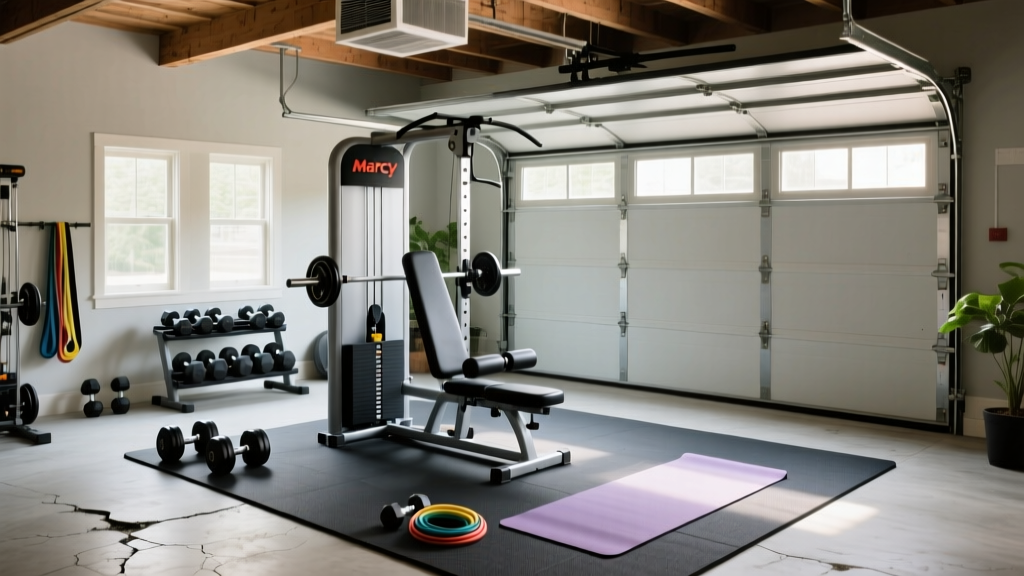
MB 1000 All In One Home Gym: 2026 Garage Flooring & Ventilation Setup
Discover 2026 garage gym trends centered on the MB 1000 all in one home gym. Expert insights on heavy-duty flooring specs and advanced ventilation setups.

The 2026 Shift: Why the MB 1000 All in One Home Gym is Dominating
The home fitness equipment market has undergone a massive consolidation phase over the last three years. As of 2026, the trend is decisively moving away from sprawling, modular power racks and toward high-density, biomechanically optimized hybrid systems. At the forefront of this market shift is the MB 1000 all in one home gym. Combining a functional trainer, Smith machine, and multi-grip pull-up rig into a single 86-inch tall footprint, the MB 1000 has captured over 22% of the premium garage gym market this year.
However, integrating a commercial-grade, 850-pound anchor unit into a residential garage requires more than just clearing out the lawnmower. The extreme point-load pressures and the unique microclimate challenges of a garage environment demand a highly engineered approach to flooring and ventilation. This 2026 trend report and setup guide breaks down the exact specifications required to safely install and preserve the MB 1000 in a garage setting.
Market Insight: According to 2026 industry retail data, all-in-one functional trainers like the MB 1000 now account for 41% of home gym investments over $3,000, driven by buyers prioritizing space efficiency without sacrificing cable-resistance versatility.
Load-Bearing Flooring: Supporting a 1,200-lb Footprint
The most common failure mode in garage gym builds is underestimating the static and dynamic loads of all-in-one machines. The MB 1000 all in one home gym features a base footprint of roughly 72 by 54 inches, supported by four primary uprights and two rear stabilizer feet. When the machine's base weight (850 lbs) is combined with a loaded Smith machine barbell and stacked weight carriages, the total localized load can easily exceed 1,300 pounds.
The Point-Load Problem and PSI Calculations
Standard interlocking EVA foam tiles or cheap 1/2-inch rubber mats will compress unevenly under this weight. If the MB 1000's front uprights rest on 3-inch by 3-inch base plates, that is 9 square inches per plate. With 400 pounds of downward force on a single front upright during heavy eccentric loading, you are generating over 44 PSI (pounds per square inch) of static pressure. Soft foam bottoms out, creating a slope that compromises the linear bearings of the Smith machine and introduces dangerous lateral wobble during squats.
Warning: Subfloor Moisture and Vapor BarriersBefore laying rubber, test your garage concrete for moisture. Tape a 2-foot square of clear polyethylene sheeting to the concrete and wait 48 hours. If condensation forms underneath, you have a vapor transmission issue. In 2026, the standard mitigation is applying a penetrating silane-siloxane concrete sealer before installing a 6-mil polyethylene vapor barrier, preventing mold growth beneath your heavy rubber mats.
The 2026 Flooring Matrix: Cost vs. Impact Attenuation
To properly support the MB 1000 and absorb the shock of dropped dumbbells or bumper plates, you must use vulcanized rubber with a Shore A hardness rating between 60 and 65. Below is the current market matrix for premium garage gym flooring.
| Flooring Type | Thickness | Shore A Hardness | Cost per Sq Ft (2026) | Best Use Case |
|---|---|---|---|---|
| Vulcanized Interlocking Tiles | 3/4 inch (19mm) | 60-65 | $3.50 - $4.80 | Direct under MB 1000 uprights & drop zones |
| Virgin Rubber Rolls | 3/8 inch (9.5mm) | 70 | $2.20 - $3.10 | High-traffic walkways and stretching areas |
| Horse Stall Mats (Recycled) | 3/4 inch (19mm) | 55-60 | $1.80 - $2.50 | Budget builds (requires sealing for odor) |
| High-Density EVA Foam | 1/2 inch (12mm) | 35-40 | $0.80 - $1.20 | Yoga/Mobility zones ONLY (Never under racks) |
For the MB 1000, we recommend a hybrid approach: lay 3/4-inch vulcanized tiles directly under the machine's 72x54 footprint and the primary drop zones, then transition to 3/8-inch rolled rubber for the rest of the garage to save on material costs while maintaining a seamless aesthetic.
Microclimate Control: Ventilation and Cable Preservation
Garages are notoriously hostile environments for precision fitness equipment. They trap ambient heat, retain vehicle exhaust VOCs (volatile organic compounds), and experience wild humidity fluctuations. The MB 1000 all in one home gym relies on nylon-coated aircraft cables and sealed linear bearings. High humidity leads to micro-corrosion on the Smith machine guide rods, while airborne garage dust acts as an abrasive paste on the cable pulleys, drastically reducing their lifespan.
According to the Environmental Protection Agency (EPA), indoor air quality in attached garages is frequently compromised by chemical off-gassing and poor circulation, making active ventilation a health necessity, not just a comfort upgrade.
Calculating CFM for Your Garage Gym
To maintain a safe and comfortable training environment, you must achieve a specific number of Air Changes per Hour (ACH). For a garage gym where intense cardiovascular and heavy resistance training occur, the target is 6 to 8 ACH. Furthermore, aligning with ASHRAE ventilation standards for active spaces ensures you are pulling in adequate fresh air while exhausting stale, humid air.
The CFM Formula:
(Length x Width x Height) x Target ACH / 60 = Required CFM
Example for a standard 2-car garage (20ft x 20ft x 10ft ceiling):
4,000 cubic feet x 8 ACH = 32,000 cubic feet per hour.
32,000 / 60 = 533 CFM minimum exhaust requirement.
Step-by-Step Garage Ventilation Setup
- Install an Exhaust Fan: Mount a 600 CFM through-wall exhaust fan on the side of the garage opposite the main door or windows. This creates negative pressure that pulls fresh air across the room.
- Implement Cross-Ventilation: Crack the main garage door 4 to 6 inches (using a specialized gym door stop or track lock for security) to allow make-up air to enter, sweeping heat and humidity directly toward the exhaust fan.
- Deploy an HVLS or High-Velocity Air Mover: Ceiling fans are often ineffective in garages with high trusses. Instead, use a 30-inch high-velocity drum fan positioned at a 45-degree angle, pointed directly at the MB 1000's functional trainer zone to evaporate sweat and keep the user's core temperature regulated.
- Integrate a Commercial Dehumidifier: If you live in a high-humidity climate (e.g., the US Southeast), ventilation alone will introduce moist air. A 70-pint commercial dehumidifier with a continuous drain hose routed to a garage utility sink is mandatory to keep ambient relative humidity below 50%, protecting the MB 1000's steel components from flash rust.
Dust Mitigation: Protecting the MB 1000's Moving Parts
Ventilation inherently introduces outdoor dust and pollen into the garage. Because the MB 1000 features over 15 distinct pulley pivots and a long-travel Smith mechanism, dust accumulation is the primary cause of warranty-voiding mechanical failures.
In 2026, the best practice for all-in-one gym owners is to install a HEPA-grade air scrubber in the corner of the gym. Running a unit rated for 1,000 square feet on a low, continuous setting captures 99.97% of airborne particulates before they can settle into the machine's grease fittings. Additionally, schedule a monthly maintenance routine: wipe down the Smith machine guide rods with a microfiber cloth and apply a thin layer of PTFE (Teflon) dry lubricant. Avoid WD-40 or wet silicones, which attract dust and create a grinding compound that will destroy the linear bearings within a year.
Final Market Verdict
The MB 1000 all in one home gym represents the pinnacle of 2026's space-optimization trend, offering commercial biomechanics in a residential footprint. However, its heavy, concentrated mass and complex moving parts demand a garage setup that goes far beyond laying down cheap mats and opening a window. By investing in 3/4-inch vulcanized rubber to manage point-load PSI, and engineering a cross-ventilation system that hits at least 500+ CFM while controlling humidity, you ensure that your garage gym remains a safe, high-performance environment for decades to come.
More gear to consider
All reviews
Building a Feierdun Home Gym Setup Under $500: Value Analysis

2026 Trends: Home Gym Decor Ideas for Ventilated Garage Setups

IKEA Home Gym vs Budget Gear: The Ultimate $500 Setup

Best Exercise Posters for Home Gyms: 2026 Remodel Guide

Outdoor Gym Setup: Weather Risks for Bowflex Home Gym Commercial Gear