
Outdoor Weather Care for Body-Solid Home Gym Older Models
Learn essential weather considerations and maintenance tips to protect Body-Solid home gym older models in outdoor or semi-exposed patio setups.

Weatherproofing Legacy Steel: Outdoor Setup Considerations
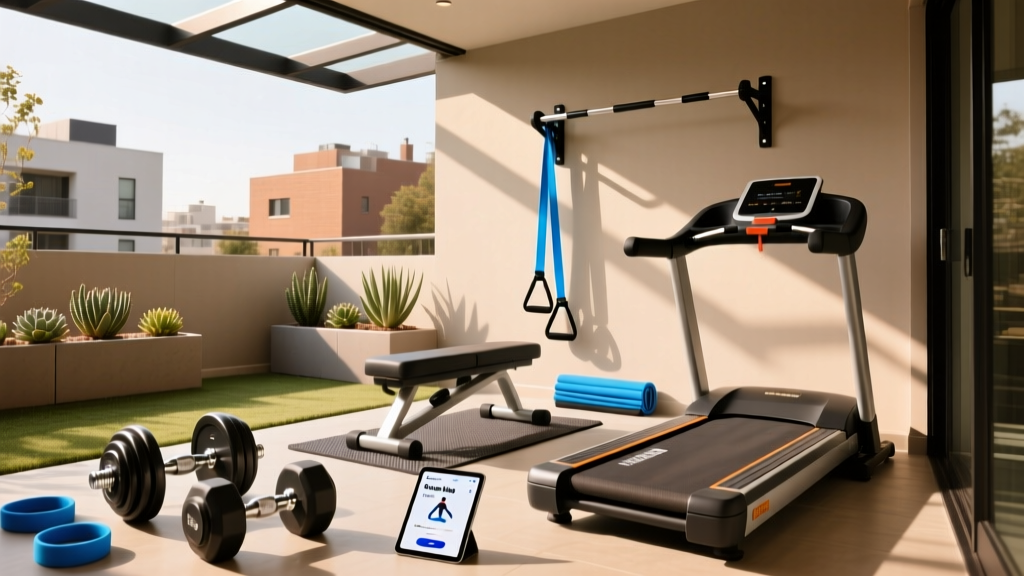
As of 2026, the trend of building outdoor and semi-exposed patio home gyms continues to surge. Enthusiasts are increasingly moving away from cramped indoor spaces to enjoy fresh air and natural light while training. However, outfitting an exterior space on a budget often leads lifters to the secondary market, specifically seeking out body-solid home gym older models due to their legendary reputation for heavy-duty, tank-like construction. Legacy multi-gyms like the EXM1500S, the G1B, and the early XMS functional trainers were built with thick 11-gauge and 12-gauge steel tubing, making them incredibly robust.
Yet, there is a critical catch: these older models were engineered for climate-controlled basements and garages, not for the harsh realities of outdoor weather considerations. The electrostatically applied paint finishes of the 2000s and early 2010s, while durable against indoor scuffs, lack the advanced UV inhibitors and marine-grade powder-coating found on modern commercial outdoor equipment. If you are integrating an older Body-Solid unit into an outdoor home gym setup, proactive maintenance and strategic weatherproofing are non-negotiable to prevent catastrophic rust, cable degradation, and upholstery failure.
Warranty Warning: Be aware that exposing any home gym equipment to direct outdoor elements or unenclosed patio environments will immediately void the manufacturer's lifetime frame warranty. The maintenance protocols below are essential for preserving your investment out-of-warranty.Assessing the Vulnerabilities of Legacy Frames
Older Body-Solid multi-gyms typically feature a baked-on electrostatic paint finish. While this provides a hard shell against weight plate impacts, it is highly susceptible to micro-blistering when subjected to constant UV radiation and high humidity. Once the microscopic clear layer is compromised by sun exposure, moisture penetrates the steel substrate, leading to sub-surface oxidation.
The Galvanic Corrosion Threat
Outdoor setups introduce a hidden enemy: galvanic corrosion. Older models often utilize a mix of painted steel frames, zinc-plated bolts, and aluminum pulley brackets. When exposed to morning dew, rain, or coastal salt air, these dissimilar metals create a galvanic cell, accelerating rust at the joints. According to the Association for Materials Protection and Performance (AMPP), galvanic corrosion in mixed-metal outdoor structures can degrade structural fasteners up to five times faster than standard atmospheric rusting. To combat this, every bolt head and metal-to-metal junction on your legacy Body-Solid gym must be treated with a dielectric grease or a lanolin-based corrosion inhibitor during assembly.
Cable, Pulley, and Bearing Weatherization
The mechanical heart of any cable-driven machine is its most vulnerable component in an outdoor setup. Older Body-Solid models rely on 5/32-inch or 3/16-inch aircraft-grade steel cables housed in nylon sheaths.
UV Degradation of Nylon and Sheaths
Prolonged exposure to direct sunlight causes the nylon cable sheaths and the outer casing of the pulleys to become brittle and crack. Once a sheath cracks, water infiltrates the inner steel cable, causing it to rust from the inside out—a failure mode that is invisible until the cable snaps under load.
- Preventative Action: Wrap exposed cable sheaths in UV-resistant spiral wrap or split loom tubing.
- Replacement Protocol: If you notice any fraying or stiffness, replace the cables immediately. You can source universal 5/32-inch 7x19 galvanized aircraft cable from hardware suppliers, or order direct replacement kits (typically costing between $80 and $120) from Body-Solid's official parts department.
Upgrading Sealed Bearings
The pulleys on older EXM and G-series models use standard sealed steel bearings. In high-humidity outdoor environments, the internal grease dries out, and moisture breaches the rubber seals, resulting in grinding and uneven cable travel. Expert Upgrade: Swap the factory pulleys for marine-grade stainless steel flanged bearings (commonly 1/2-inch ID x 1-1/8-inch OD for these models). This $40 upgrade drastically extends pulley life in wet climates.
Upholstery and Pad Preservation
The vinyl upholstery on legacy Body-Solid benches and leg developer attachments is designed for indoor use. UV rays will break down the plasticizers in the vinyl within a single summer season, leading to severe cracking, peeling, and waterlogged foam padding.
'I see dozens of outdoor patio gyms every year where the machine frame is perfectly fine, but the seat pads have completely disintegrated into black dust because the owner used a cheap tarp that trapped heat and UV rays against the vinyl.' — Commercial Gym Equipment Restoration Specialist
To preserve the pads, you must apply a high-quality UV protectant monthly. Products like 303 Aerospace Protectant are industry standards for blocking UV radiation and preventing vinyl from drying out. For long-term protection, invest in custom-fitted marine-grade canvas covers specifically tailored for the seat and backrest dimensions of your specific model.
Strategic Placement and Custom Enclosures
Where you place the gym on your patio or deck dictates its lifespan. Never place heavy legacy steel directly on grass or dirt, as ground moisture will wick up the legs via capillary action. Always install the gym on a poured concrete pad, interlocking rubber deck tiles, or a reinforced wooden deck with proper drainage.
Choosing the Right Weather Cover
When the gym is not in use, a high-quality cover is mandatory. Avoid cheap polyethylene (PE) tarps; they trap condensation and create a greenhouse effect that accelerates rust. Instead, choose breathable, weather-resistant fabrics.
| Cover Material | UV Resistance | Waterproofing | Breathability | Est. Cost (2026) |
|---|---|---|---|---|
| Solution-Dyed Acrylic (e.g., Sunbrella) | Excellent | Water-Resistant | High (Prevents Condensation) | $250 - $400 |
| PVC-Coated Polyester | Good | 100% Waterproof | None (Traps Moisture) | $120 - $180 |
| Polyethylene (PE) Tarp | Poor (Degrades Fast) | Waterproof | None (Causes Rust) | $25 - $50 |
Pro Tip: If you must use a PVC or PE cover due to budget constraints, place a few silica gel desiccant bags or a battery-operated mini dehumidifier inside the cover to absorb trapped ambient moisture.
Step-by-Step Rust Remediation Protocol
If you have acquired an older Body-Solid model that has already suffered surface rust from a previous owner's negligent outdoor storage, do not simply paint over it. Follow this professional remediation sequence to halt oxidation:
- Mechanical Removal: Use a wire wheel attachment on an angle grinder or a brass-bristle brush to strip away all flaking paint and surface scale down to bare metal.
- Chemical Conversion: Apply a chelating rust remover like Evapo-Rust to the affected joints. This safely converts iron oxide back to a stable surface without harming the surrounding good paint or rubber grips.
- Prime and Paint: Wipe the area with acetone. Apply a rust-inhibiting primer, followed by a color-matched hammered metal spray paint (Rust-Oleum Hammered Black closely matches the classic Body-Solid finish).
- Lanolin Sealing: Once cured, spray the inside of the tubing and hidden joints with Fluid Film. This lanolin-based creepant creeps into microscopic seams and permanently displaces moisture.
Seasonal Maintenance Checklist
To ensure your legacy equipment survives the elements year-round, adhere to this strict maintenance schedule:
Spring (Pre-Season Prep)
- Inspect all 5/32-inch cables for fraying, especially where they exit the nylon sheaths.
- Wipe down all guide rods with a silicone-based lubricant (never use WD-40, which attracts dust and strips factory grease).
- Apply a fresh coat of 303 Aerospace Protectant to all vinyl pads.
Summer (High UV / High Humidity)
- Check pulley bearings for grinding noises; replace with stainless steel variants if necessary.
- Ensure your breathable acrylic cover is properly ventilated and not touching the wet ground.
- Wipe down the weight stacks to prevent sweat and humidity from causing surface flash-rust on the plates.
Autumn (Winterization)
- Apply Fluid Film to all exposed bolt heads, pivot points, and selector pin mechanisms.
- Tighten all structural nuts and bolts, as temperature cycling throughout the summer can cause thermal expansion and contraction, loosening hardware.
Winter (Cold Weather Storage)
- If you live in a freeze-thaw climate, it is highly recommended to disassemble the weight stacks and move them indoors. Moisture trapped between the plates will freeze, expand, and permanently pit the steel.
- Leave the main frame covered with a heavy-duty, ventilated winter enclosure.
By treating your outdoor setup with the respect that weather demands, you can easily extend the life of a second-hand Body-Solid multi-gym for another decade, proving that older steel, when properly maintained, remains one of the best investments in the home fitness space.
More gear to consider
All reviews
Top Fitness Equipment for Home Gym Layouts & Floor Plans
Outdoor Gym Weather Care & Home Gym Club Training App Tracking

Marcy Home Gym Instruction Manual: Electrical & Safety Troubleshooting

Best Wall Mirror for Home Gym Layouts: 2026 Expert Picks

How Much Does It Cost to Build a Home Gym? Mirrors & Lighting Costs
