
Impex Powerhouse Home Gym: Electrical Safety & Setup Mistakes
Avoid costly electrical and safety mistakes when installing your Impex Powerhouse home gym. Learn troubleshooting tips, circuit requirements, and more.

The Hidden Dangers of Heavy Rig Installations
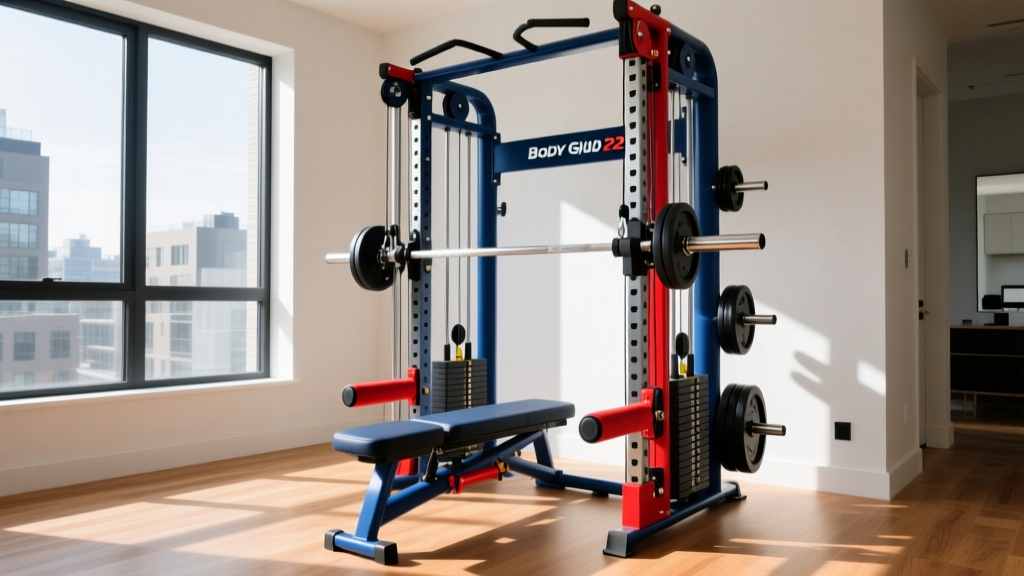
Building a dedicated workout space is a major investment, and anchoring a massive multi-station rig like the Impex Powerhouse home gym is often the centerpiece of that build. Weighing in at over 800 pounds and spanning a massive footprint, this machine demands serious structural consideration. However, in the rush to assemble the cable towers and stack the weight plates, most DIYers completely overlook the room's electrical and safety requirements.
Treating your home gym's electrical layout as an afterthought is a critical error. The combination of heavy mechanical loads, high-draw cardio equipment, and environmental factors in garages or basements creates a unique hazard profile. According to the Electrical Safety Foundation International (ESFI), improper use of extension cords and overloaded circuits are leading causes of residential electrical fires. When you introduce a commercial-grade footprint into a residential space, the margin for error shrinks to zero.
This troubleshooting guide breaks down the most common electrical and safety mistakes made when setting up heavy multi-gyms, providing actionable frameworks to ensure your 2026 setup is both code-compliant and safe for heavy lifting.
⚠️ CRITICAL WARNING: Never use standard household extension cords to power gym electronics, TVs, or cardio equipment near your multi-gym. The National Fire Protection Association (NFPA) strictly advises against using extension cords as permanent wiring solutions due to severe overheating and tripping hazards.Circuit Overloads: The #1 Home Gym Electrical Mistake
The most frequent troubleshooting call we receive involves tripped breakers mid-workout. The Impex Powerhouse home gym itself is largely mechanical, meaning its direct electrical draw is minimal (perhaps a small digital counter or integrated screen drawing less than 1 amp). The danger lies in the ancillary equipment you place around it.
Homeowners often plug a treadmill, a space heater, a smart TV, and a high-velocity fan into the same standard 15-amp bedroom or basement circuit. This is a recipe for failure.
Understanding the 80% Continuous Load Rule
Under the National Electrical Code (NEC), a standard 15-amp circuit operating at 120 volts provides a maximum of 1,800 watts. However, for safety, you must adhere to the 80% continuous load rule, capping your safe usable capacity at 1,440 watts. A single motorized treadmill can draw 1,200 to 1,500 watts during peak incline usage, instantly maxing out the circuit.
| Equipment Type | Average Wattage | Amp Draw (120V) | Circuit Requirement |
|---|---|---|---|
| Motorized Treadmill | 1,200W - 1,800W | 10A - 15A | Dedicated 20A Circuit |
| Space Heater (High) | 1,500W | 12.5A | Dedicated 15A/20A Circuit |
| Smart TV / Soundbar | 100W - 250W | 1A - 2A | Shared Circuit OK |
| High-Velocity Floor Fan | 150W - 300W | 1.5A - 2.5A | Shared Circuit OK |
| Multi-Gym Screen (Impex) | 50W | 0.5A | Shared Circuit OK |
The Fix: Hire a licensed electrician to run a dedicated 20-amp circuit using 12 AWG copper wire specifically for your high-draw cardio and climate control equipment. Keep the Impex Powerhouse's immediate perimeter clear of daisy-chained power strips.
Subfloor Hazards: Anchoring the Impex Powerhouse Safely
The Impex Powerhouse features multiple cable crossover stations and heavy lat-pulldown leverage points. If a 250-pound user drops a 200-pound weight stack abruptly, the kinetic energy transfer can tip an unanchored rig. Anchoring is non-negotiable, but how you anchor introduces severe safety hazards if you ignore subfloor utilities.
Mistake: Drilling Blindly into Concrete or Wood
When bolting the base plates to a concrete slab, DIYers often use a hammer drill and 3/8-inch wedge anchors without scanning the floor. In modern homes, concrete slabs may contain post-tension cables, radiant heating PEX tubing, or embedded electrical conduits. Severing a post-tension cable can compromise your home's structural integrity, while hitting a conduit creates an immediate electrocution risk.
For wood subfloors, the mistake is drilling through the subfloor and blindly into the floor joists below. Electricians frequently run Romex (NM-B) wiring through bored holes in these exact joists.
- Concrete Slab Solution: Use a high-end multi-scanner with AC wire and metal detection capabilities. Better yet, consult your home's original concrete pour blueprints or hire a professional concrete scanning service (using ground-penetrating radar) before drilling.
- Wood Subfloor Solution: Access the crawlspace or basement ceiling below the gym to visually map the joist layout and trace any electrical lines before drilling lag screws from above.
GFCI, AFCI, and Code Compliance in Garages and Basements
Many Impex Powerhouse units are installed in garages or unfinished basements. These environments are governed by strict NEC codes regarding moisture and arc faults.
A common troubleshooting issue is gym equipment randomly losing power. This is almost always caused by a tripped Ground Fault Circuit Interrupter (GFCI). Garages and unfinished basements require GFCI protection to prevent shock hazards in damp environments. However, the vibration from dropping heavy weight stacks on the Powerhouse rig can sometimes cause older, overly sensitive GFCI breakers to trip.
The Fix: Ensure your GFCI outlets are rated for heavy-duty commercial use and are installed in locations where vibration transfer from the gym flooring is minimized. Additionally, verify that your gym's lighting circuits are protected by Arc Fault Circuit Interrupters (AFCI), which are now mandatory in most residential living and basement spaces to prevent electrical fires caused by frayed wires.
'Proper grounding and circuit protection are not just code requirements; they are the first line of defense against fatal shocks in environments where heavy metal equipment and sweat intersect.' — National Fire Protection Association (NFPA)
Troubleshooting Matrix: Electrical & Safety Red Flags
Use this matrix to diagnose common issues when integrating heavy multi-gyms into residential spaces.
| Symptom / Red Flag | Common Mistake | Troubleshooting Fix |
|---|---|---|
| Breaker trips when treadmill starts | Sharing a 15A circuit with other equipment | Install a dedicated 20A circuit with 12 AWG wire. |
| Lights flicker when weight stack drops | Vibration loosening neutral wires in shared junction boxes | Have an electrician tighten all terminal connections and isolate lighting circuits. |
| GFCI outlet trips randomly | Moisture ingress or high-vibration transfer to the receptacle | Replace with a commercial-grade GFCI; add vibration-dampening rubber mats under the rig. |
| Burning plastic smell near power strips | Overloaded power strip melting internal contacts | Discard strip immediately. Install additional wall receptacles. |
| Static shocks from cable machine | Improper grounding of the home's electrical panel | Test outlet grounding with a multimeter; consult an electrician to check the main ground rod. |
Lighting and Clearance Oversights
Safety isn't just about electricity; it's about visibility and spatial awareness. The Impex Powerhouse requires a minimum clearance of 36 inches on all sides for safe user passage, as recommended by general fitness equipment safety guidelines outlined by the Consumer Product Safety Commission (CPSC).
A massive mistake is placing the rig in a poorly lit corner of a basement to save space. Shadows cast by the tall cable towers can obscure trip hazards, loose collars, or frayed cables. For a safe home gym environment, aim for a lighting level of at least 300 to 500 lux across the workout floor. Use shatterproof LED shop lights with wire guards to ensure that if a stray dumbbell or weight plate is dropped, you won't rain glass down on your workout space.
Final Safety Walkthrough Checklist
- Verify all high-draw equipment is on dedicated 20A circuits.
- Confirm GFCI/AFCI compliance for garage and basement installations.
- Scan subfloors for utilities before drilling anchor holes.
- Install shatterproof, wire-guarded LED lighting (minimum 300 lux).
- Measure and tape off the mandatory 36-inch safety clearance perimeter around the rig.
By addressing these electrical and spatial requirements before you tighten the final bolt on your Impex Powerhouse home gym, you ensure a facility that is as safe as it is effective.
More gear to consider
All reviews
Couples' Gym: Hands-On Marcy (Mercy) Home Gym Review

Shared Home Gym Setup Guide: Marcy Home Gym MWM 990 for Couples

Decorate a Home Gym for Strength: Layout, Gear & Longevity Care
Body Solid P2X Powerline Home Gym: Best $500 Budget Setup?

Remodeling for a Marcy Home Gym Workout Routine: Budget Guide
