
Home Gym Color Schemes & Strength Setup: Full Walkthrough
Build the ultimate strength training space. Our walkthrough covers equipment layout, flooring, and home gym color schemes to boost focus and safety.

Engineering the Visual Environment for Heavy Lifts
When planning a home gym configuration for strength training, most lifters obsess over the knurling on their barbells or the weight stack ratio on their cable machines. However, an often-overlooked variable that directly impacts central nervous system (CNS) arousal, perceived exertion, and spatial awareness is your visual environment. In 2026, the integration of strategic home gym color schemes with functional equipment layout has become a hallmark of elite garage and basement gyms.
Strength training demands intense proprioception and focus. Glaring white walls under 5000K LED lights can cause visual fatigue, disrupting your bracing cues during heavy squats. Conversely, a thoughtfully engineered color palette paired with precise spatial clearances can create a 'tunnel vision' effect, optimizing your psychological state for maximal effort singles. This complete setup and installation walkthrough will guide you through merging heavy-duty structural configurations with the psychology of color.
Phase 1: Spatial Configuration and Clearances
Before a single drop of paint hits the drywall, you must establish the physical footprint of your strength training zone. According to facility design principles endorsed by the National Strength and Conditioning Association (NSCA), adequate clearance is non-negotiable for safety and spotter access.
Critical Strength Zone Dimensions
- Primary Rack Footprint: A standard 4-post power rack (like the Rogue RM-6 Monster Rack) requires a minimum 36-inch clearance on all sides for loading plates and spotter movement.
- Ceiling Height Math: An Olympic barbell sleeve reaches 86.5 inches when locked overhead. Add 12 inches for head clearance and 1.5 inches for subflooring. Your absolute minimum ceiling height is 8'4", though 9'0" is recommended for strict overhead presses.
- Deadlift Platform: Standard 8x4 feet, but a 10x6 foot platform is ideal for sumo deadlifts and accommodating future accessory sled work.
Once the rack and platform zones are taped out on the floor, you can identify your 'visual anchors'—the walls directly in your line of sight during the bench press, squat, and deadlift. These anchor walls are where your home gym color schemes will have the most profound psychological impact.
Phase 2: The Psychology of Home Gym Color Schemes
Color is not merely decorative; it is a functional tool that influences heart rate, focus, and fatigue. When configuring a strength space, you must align your color palette with your primary training modality. Below are the three dominant strength-focused color profiles utilized in modern high-performance home gyms.
1. The 'Iron Vault' (Monochromatic Slate & Matte Black)
Best suited for powerlifting and heavy singles. This scheme utilizes deep, light-absorbing colors to reduce visual noise and eliminate glare from overhead lighting. By painting the walls a deep charcoal or slate gray, the room recedes, forcing your visual focus entirely onto the metallic equipment and mirrors.
- Primary Wall Color: Sherwin-Williams Iron Ore (SW 7069) or Benjamin Moore Wrought Iron (2121-10).
- Psychological Effect: Induces a 'cave-like' focus, lowering external distractions and promoting internal bracing cues.
- Equipment Pairing: Matte black or raw steel racks with minimal colorful branding.
2. High-Contrast Aggression (Dark Base + Crimson/Yellow Accents)
Best suited for Olympic weightlifting and explosive dynamic effort days. This scheme uses a dark base but introduces high-visibility accent colors in the lifter's peripheral vision. Studies in sports psychology suggest that warm, aggressive colors like red can subtly elevate heart rate and CNS arousal prior to a heavy lift.
- Primary Wall Color: Dark Slate or Navy.
- Accent Zones: Safety yellow or crimson red painted directly behind the rack uprights, or achieved via colored UHMW plastic liners on your j-cups and spotter arms.
- Psychological Effect: Spikes adrenaline and spatial awareness, clearly delineating the 'work zone' from the rest of the room.
3. Natural Zen (Warm Woods & Earth Tones)
Best suited for hypertrophy, bodybuilding, and high-volume sessions where managing CNS fatigue over a 90-minute workout is critical. This scheme incorporates natural wood tones, sage greens, and warm grays to keep the environment feeling breathable and expansive.
- Primary Wall Color: Sherwin-Williams Clary Sage (SW 6178) or warm limewash finishes.
- Psychological Effect: Promotes endurance, lowers resting heart rate between sets, and prevents the claustrophobia often associated with basement gyms.
- Equipment Pairing: Racks with wood-grain laminate uprights or bamboo plyo boxes.
Phase 3: Lighting and Mirror Integration
Your chosen home gym color schemes will fail if the lighting temperature (Kelvin) and Color Rendering Index (CRI) are mismatched. In 2026, the standard for strength training facilities has shifted away from harsh, blue-tinted 6000K bulbs toward high-CRI architectural lighting.
Expert Insight: 'When lifting heavy, you need to see the knurling on the bar and the subtle shifts in your spinal erectors in the mirror. A 90+ CRI light source at 4000K provides true-to-life contrast without the eye strain caused by cooler, blue-heavy bulbs reflecting off dark walls.'
Mirror Placement Strategy: Never place mirrors on opposing walls, as the 'infinity tunnel' effect causes dizziness and visual fatigue. Install a single, continuous wall of 1/4-inch thick, shatter-resistant architectural mirrors on your primary squat/bench wall. Ensure the bottom edge of the mirror sits 18 inches off the floor so you can monitor foot placement and hip depth without the reflection being blocked by bumper plates on the floor.
Phase 4: Step-by-Step Installation Walkthrough
Follow this chronological sequence to ensure your structural build and aesthetic finishes are perfectly synchronized.
- Subfloor and Soundproofing (Day 1-2): Lay down a vapor barrier, followed by 3/4-inch OSB or plywood. If you are in a shared space or second-floor room, add a layer of acoustic underlayment before the wood. This subfloor will eventually be covered by 3/4-inch vulcanized rubber mats.
- Paint and Primer (Day 3-5): Apply a high-quality, moisture-resistant primer (crucial for basement gyms). Follow with two coats of your chosen matte or eggshell strength-focused paint. Matte finishes absorb light, reducing glare, but eggshell is easier to wipe down if you accidentally scuff the wall with a kettlebell.
- Lighting and Electrical (Day 6): Install 4000K LED panel lights or track lighting. Ensure you have dedicated 20-amp circuits for any motorized cable machines or future smart mirrors. Position lights at a 45-degree angle to the mirror wall to prevent direct reflection into your eyes.
- Rack Anchoring (Day 7): If bolting to concrete, use 3/8-inch wedge anchors. If bolting to your wooden subfloor, ensure you are lag-bolting directly into the floor joists using 1/2-inch structural lag screws. Never anchor a heavy rig solely to plywood.
- Rubber Flooring and Equipment Load-in (Day 8-9): Lay your interlocking rubber tiles, staggering the seams. Bring in the rack uprights, crossmembers, and finally, the barbell and plates.
Color Scheme & Configuration Matrix
Use the table below to cross-reference your training style with the optimal environmental setup.
| Training Modality | Recommended Color Palette | Lighting (Kelvin / CRI) | Ideal Equipment Finish | RPE Impact |
|---|---|---|---|---|
| Powerlifting (1-5 Reps) | Monochromatic Slate / Matte Black | 4000K / 90+ CRI | Raw Steel or Matte Black | Lowers perceived exertion via tunnel focus |
| Olympic Lifting (Explosive) | Dark Base + Crimson/Yellow Accents | 5000K / 85+ CRI | Brightly colored bumper plates | Increases CNS arousal and reaction time |
| Hypertrophy (8-15 Reps) | Earth Tones / Warm Woods | 3500K / 90+ CRI | Woodgrain or Glossy Black | Manages CNS fatigue over long sessions |
Final Considerations for the 2026 Strength Athlete
Building a dedicated strength training space is a significant investment of both capital and square footage. By treating your home gym color schemes as a functional component of your training equipment rather than an afterthought, you create an environment that actively supports your physiological and psychological goals. Whether you opt for the sensory-deprivation focus of the Iron Vault or the expansive endurance of the Natural Zen palette, ensure your spatial clearances, lighting CRI, and structural anchoring meet the rigorous demands of heavy barbell training. For further reading on equipment specifications and footprint planning, consult the detailed dimensional guides available directly from manufacturers like Rogue Fitness and review the Sherwin-Williams color selection tools to test your lighting conditions before committing to a final coat.
More gear to consider
All reviews
Where to Donate Fitness Equipment When Upgrading Home Gyms

The 'Trump Home Gym Act' Myth: 2026 Budget Breakdown for Mirrors & Lighting
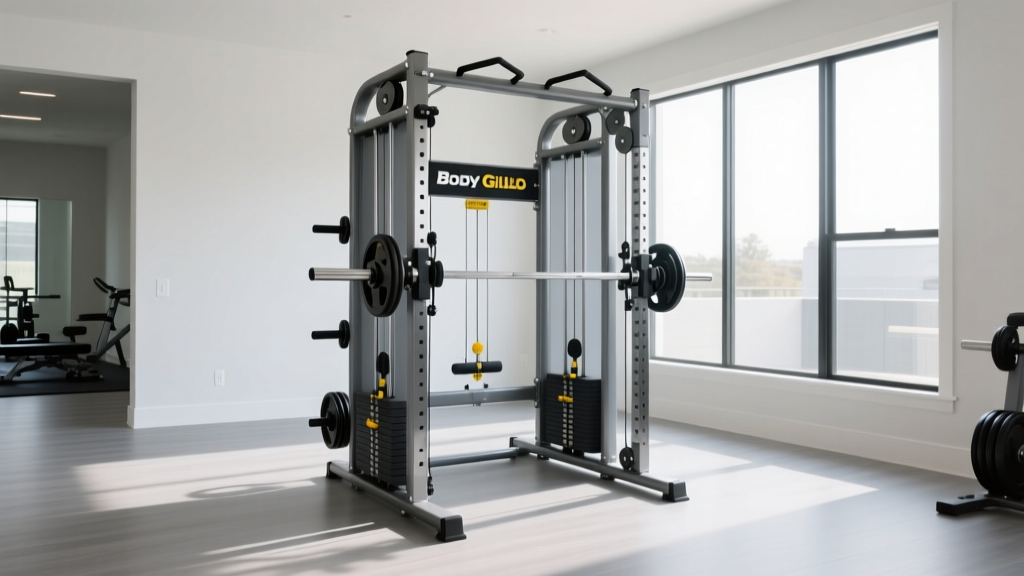
Body Solid G9S Home Gym: Expert Layout & Setup Guide

Harison Home Gym vs Competitors: Best Setup Under $500 (2026)

Budget-Friendly Home Gym Ideas: Renovation & Remodeling Costs
