
Cost-Effective Home Gym Room Ideas: Remodeling Budget Breakdown
Discover cost-effective home gym room ideas with our detailed remodeling budget breakdown. Learn where to save and splurge on flooring, HVAC, and gear.

Transforming a spare bedroom, basement, or garage into a dedicated training space requires more than simply moving in a power rack and a set of dumbbells. When researching home gym room ideas, most enthusiasts focus heavily on equipment aesthetics and layout, often underestimating the structural, electrical, and environmental remodeling costs required to make the space safe and functional. In 2026, converting a standard 200-square-foot room into a fully equipped, climate-controlled home gym averages between $4,500 and $12,500, depending on the baseline condition of the space.
This comprehensive budget breakdown and value analysis will guide you through the hidden costs of home gym renovations, helping you allocate your capital toward high-ROI upgrades while avoiding expensive structural mistakes.
The Core Remodeling Budget: Where Your Money Actually Goes
Before you purchase a single piece of fitness equipment, you must prepare the room's infrastructure. Below is a realistic cost matrix for a standard 200-square-foot room conversion (e.g., a 10x20 garage bay or a 14x14 spare bedroom) based on current contractor rates and material costs.
| Renovation Category | Budget / DIY Tier | Premium / Pro Tier | Primary Value Driver |
|---|---|---|---|
| Subfloor & Flooring | $400 - $800 | $1,500 - $2,800 | Impact absorption, joint protection, equipment stability |
| Electrical Upgrades | $150 - $300 | $800 - $1,500 | Preventing breaker trips, supporting high-draw cardio |
| HVAC & Ventilation | $300 - $600 | $2,500 - $4,500 | Temperature control, CO2 mitigation, moisture management |
| Acoustic Treatment | $200 - $500 | $1,200 - $3,000 | Decoupling sound, protecting drywall from vibration damage |
| Mirrors & Lighting | $250 - $450 | $900 - $1,800 | Form correction, spatial illusion, shadow elimination |
High-ROI Home Gym Room Ideas for Renovation
Not all renovations offer the same return on investment. When evaluating home gym room ideas, prioritize upgrades that protect your property and extend the lifespan of your equipment.
1. Electrical Rough-Ins: The Hidden Necessity
Modern smart treadmills and rowing machines are power-hungry. For example, a high-end treadmill like the NordicTrack Commercial 1750 can draw up to 15 amps under peak incline/decline loads. If your spare room shares a standard 15-amp circuit with a window AC unit or a refrigerator, the breaker will trip mid-workout.
Expert Tip: Hire a licensed electrician to install at least one dedicated 20-amp circuit specifically for your cardio zone. Expect to pay between $150 and $300 per circuit run. This relatively minor investment prevents motor burnout on expensive cardio equipment and eliminates the frustration of interrupted sessions.2. Climate Control and Air Quality
A 200-square-foot room with closed doors and windows will experience a rapid spike in CO2 and humidity during intense training. According to the U.S. Environmental Protection Agency (EPA), poor indoor air quality and elevated CO2 levels can lead to fatigue, dizziness, and decreased cognitive function—all of which severely impair workout performance.
Instead of relying on a central HVAC system that may not cool a closed-off room adequately, consider installing a ductless mini-split heat pump. The Department of Energy notes that mini-splits are highly efficient and allow for precise zone control. For a 200-square-foot gym, a 6,000 to 9,000 BTU unit (priced around $1,200 to $2,500 installed) will effortlessly manage the ambient heat generated by both the user and the equipment motors.
Structural Integrity: Floor Joists and Dynamic Loads
The most common failure point in second-floor or over-garage home gyms is floor deflection. Standard residential floor joists are engineered for a live load of 40 pounds per square foot (PSF). However, dropping a 300-pound barbell from a height of three feet generates a dynamic impact force that can momentarily exceed 150 PSF.
"When designing a home gym on an elevated floor, you must account for dynamic impact loading, not just static weight. A standard L/360 deflection limit for residential floors is insufficient for heavy Olympic lifting without supplemental dampening or structural sistering."
The Layered Subfloor Solution
If you are building on a concrete slab (like a garage or basement), your primary concern is moisture and impact absorption. If you are building on a wood-framed floor, your concern is structural deflection and sound transmission. To achieve maximum value and protection, use a layered flooring system:
- Base Layer (Wood Subfloors Only): Add a layer of 3/4-inch AdvanTech or OSB to stiffen the floor and distribute the point-load of heavy squat racks.
- Dampening Layer: Install 1/2-inch high-density acoustic underlayment (like Regupol or similar recycled rubber mats) to absorb kinetic energy and prevent sound transmission to the rooms below.
- Surface Layer: Top with 3/8-inch or 1/2-inch vulcanized rubber horse stall mats (typically $55-$75 per 4x6 foot mat) or interlocking premium fitness tiles. Avoid cheap EVA foam tiles; they compress permanently under heavy rack uprights and create an unstable base for heavy squats.
Step-by-Step Renovation Sequence
To avoid costly rework, follow this chronological remodeling sequence when executing your home gym room ideas:
- Phase 1: Demo & Inspection (Days 1-2): Remove existing carpet and padding. Inspect the subfloor for water damage or squeaks. Screw down any loose OSB or plywood to the joists using 2.5-inch deck screws to eliminate vibration noise.
- Phase 2: Electrical & HVAC Rough-In (Days 3-5): Run new 20-amp dedicated lines and install the mini-split interior wall head before closing any drywall.
- Phase 3: Wall Treatment & Paint (Days 6-8): Install acoustic panels or heavy-duty rubber wall guards in areas where dumbbells or kettlebells might swing and strike the drywall. Paint with a high-gloss or semi-gloss washable paint to resist sweat splatter and humidity.
- Phase 4: Flooring Installation (Day 9): Lay down the layered subfloor and rubber mats. Use double-sided carpet tape on the seams of the rubber mats to prevent them from sliding apart during lateral movements like lunges or agility drills.
Value Matrix: Where to Save vs. Where to Splurge
Maximizing your budget means knowing which elements genuinely enhance your training experience and which are merely aesthetic upsells.
| Category | Save Your Money (Low ROI) | Splurge for Value (High ROI) |
|---|---|---|
| Mirrors | Custom-branded 'fitness' mirrors with beveled edges ($15+ per sq ft). | Builder-grade, frameless glass mirrors from local hardware stores ($4-$6 per sq ft). Functionally identical. |
| Lighting | Smart RGB LED strips that require app connectivity and fail quickly in humid environments. | High-CRI (90+) 5000K daylight LED flat panels. Eliminates shadows and accurately mimics natural daylight for form checks. |
| Walls | Foam puzzle mats glued to drywall (they peel paint and trap moisture). | 3/4-inch plywood or OSB wall backing behind the squat rack area for secure, heavy-duty wall ball targets and rig anchoring. |
| Ceiling | Dropping a suspended acoustic tile ceiling (reduces overhead clearance for pull-ups). | Leaving joists exposed and painting them matte black to maximize vertical clearance for overhead presses and muscle-ups. |
Final Thoughts on Remodeling Value
Executing smart home gym room ideas is ultimately an exercise in risk management and functional design. By allocating 40% to 50% of your remodeling budget toward the 'invisible' infrastructure—dedicated electrical circuits, proper HVAC ventilation, and structural floor dampening—you ensure that your space is safe, comfortable, and capable of supporting your fitness journey for decades. According to guidelines from the American College of Sports Medicine (ACSM), environmental factors like temperature and air quality are directly correlated with exercise adherence and safety. Do not let a poorly planned renovation become the bottleneck to your training consistency.
More gear to consider
All reviews
Layout Optimization for Your Weider Home Gym Exercise Program
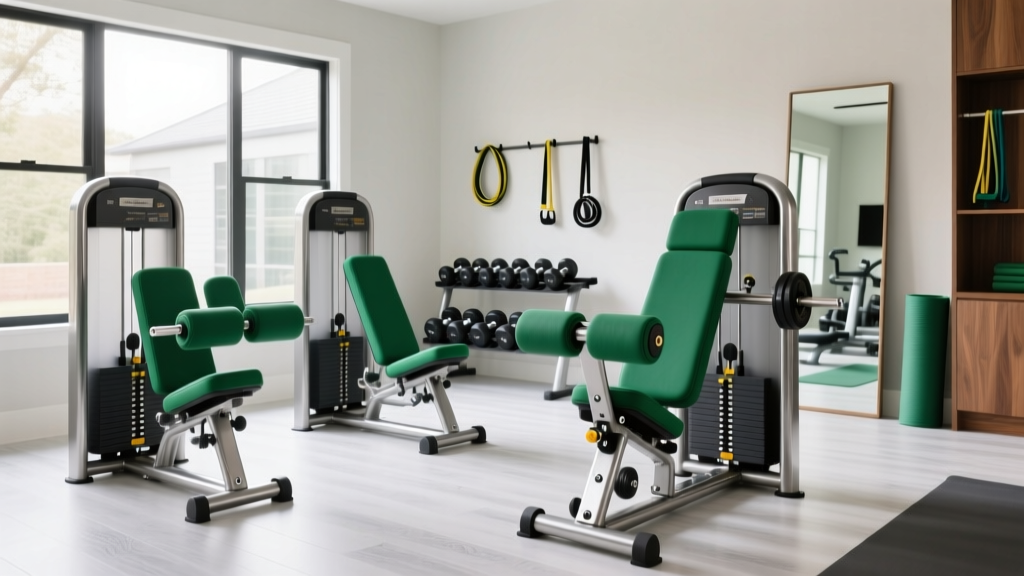
Leg Curl Home Gym Comparison: Best Picks for 2026 Remodels

Cool Home Gym Ideas for Couples: Shared Setup Guide

Shared Space: Home Gym Ideas on a Budget for Couples

Designing the Perfect Layout for Bowflex Home Gym Workouts
