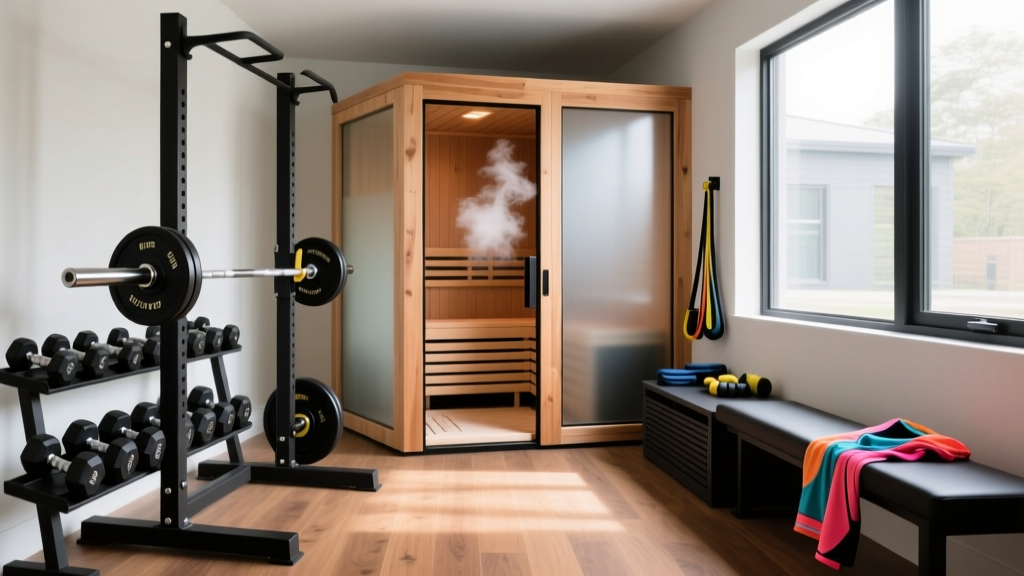
Gold's Home Gym Rental Setup: No-Damage Mistakes & Fixes
Avoid structural damage and noise complaints. Our troubleshooting guide fixes common Gold's home gym setup mistakes in rental apartments.

The Reality of Heavy Equipment in Multi-Family Dwellings
Bringing the commercial fitness experience into a rental apartment is a logistical tightrope. When you invest in a comprehensive Gold's home gym system—like the popular Gold's Gym XRS 50 or a heavy-duty functional trainer—you are introducing hundreds of pounds of steel, dynamic forces, and acoustic vibration into a space designed for static, lightweight living. In 2026, with stricter property management policies and advanced acoustic monitoring in luxury builds, a poorly planned setup can result in immediate lease violations, structural damage, or eviction.
This troubleshooting guide dissects the most common mistakes renters make when installing heavy multi-gyms and provides engineered, no-damage solutions to protect your security deposit and your relationship with your downstairs neighbors.
⚠️ CRITICAL WARNING: Live Load vs. Point LoadAccording to the American Wood Council, standard residential apartment floors are engineered for a uniform live load of 40 pounds per square foot (PSF). However, a 310-pound multi-gym resting on four 2x2-inch feet generates a point load of nearly 20 PSI. When you add your body weight and the dynamic downward force of a lat pulldown, you risk cracking laminate flooring or deflecting floor joists beyond their safe limits.
Mistake #1: Ignoring Floor Joist Deflection and Point Loads
The most frequent failure mode in apartment home gyms is placing heavy equipment directly on luxury vinyl plank (LVP) or engineered hardwood. The Gold's Gym XRS 50, for example, has a footprint of roughly 70 by 36 inches. While its total weight is distributed, the localized pressure under the main uprights can easily dent or pierce floating LVP floors, which are prevalent in modern apartment builds.
The No-Damage Solution: The Load-Spreading Subfloor
You must convert point loads into uniform loads. Do not rely on thin yoga mats or interlocking EVA foam tiles; these compress to zero under heavy steel frames and offer no structural protection.
- Base Layer (Vibration Isolation): Lay down a 6-mil polyethylene vapor barrier to prevent moisture trapping and protect the rental floor from micro-scratches.
- Load Spreader: Purchase a 4x8-foot sheet of 5/8-inch CDX plywood (approximately $45-$55 at most hardware stores in 2026). Cut it to fit your equipment footprint. This rigid sheet distributes the machine's weight across multiple floor joists simultaneously.
- Impact Layer: Top the plywood with 3/4-inch thick vulcanized rubber horse stall mats (typically $60-$80 each from agricultural suppliers). The high density (approx. 95 lbs/cu ft) prevents the heavy steel feet from bottoming out.
Mistake #2: Hard-Mounting to Drywall and Metal Studs
Many Gold's home gym attachments, such as wall-mounted cable crossovers or dip stations, require structural anchoring. Renters often make the catastrophic mistake of driving lag bolts into apartment walls. Modern multi-family dwellings frequently use 25-gauge metal studs behind 5/8-inch drywall. A lag bolt into a metal stud will strip instantly under the lateral pull of a cable stack, leaving massive, unrepairable holes and a dangerous structural failure.
Troubleshooting Wall-Mounted Instability
If your Gold's home gym setup includes a functional trainer that requires wall stabilization, you must pivot to freestanding or ballasted configurations.
- Sandbag Ballasting: Instead of bolting the rear stabilizer bar to the baseboard, use heavy-duty canvas sandbags (filled with playground sand, roughly $6 per 50lb bag). Strap two 50lb sandbags to the rear uprights using heavy-duty ratchet straps. This provides up to 100 lbs of anti-tip resistance without a single drill hole.
- Tension Rod Stabilization: For lighter accessories, use heavy-duty steel tension rods (rated for 300+ lbs of horizontal pressure) wedged between the floor and ceiling to create a temporary, damage-free mounting pillar.
- Baseboard Protection: Wrap the lower contact points of your equipment in high-density foam backer rods or pool noodles to prevent the steel frame from scuffing the rental's baseboards during vigorous use.
Mistake #3: Acoustic Transfer and 'The Dropped Plate' Problem
Structure-borne noise (impact) is the primary reason renters face noise complaints. When a weight stack slams down on a Gold's multi-gym, the kinetic energy travels through the steel frame, into the floor, and directly into the ceiling of the unit below. The Institute of Noise Control Engineering emphasizes that Impact Insulation Class (IIC) ratings must be carefully managed in multi-story dwellings to prevent low-frequency structural resonance.
| Mat Material | Density | Acoustic Decoupling | Best Use Case |
|---|---|---|---|
| EVA Foam Tiles | Low (2 lbs/cu ft) | Poor (Compresses fully) | Bodyweight only |
| Standard Rubber Rolls | Medium (60 lbs/cu ft) | Fair (Absorbs airborne) | Light dumbbells |
| Vulcanized Stall Mats | High (95 lbs/cu ft) | Excellent (Blocks impact) | Heavy multi-gyms |
| Sorbothane Pads | Variable (Durometer 50) | Superior (Decouples vibration) | Under machine feet |
The Ultimate Decoupling Hack
For absolute silence, purchase a pack of 1/2-inch thick Sorbothane isolation pads (approx. $25 for a 4-pack). Place these directly under the steel feet of your Gold's home gym, between the machine and the rubber mat. Sorbothane is a proprietary viscoelastic polyurethane that absorbs up to 94.7% of vibration, effectively severing the acoustic bridge between the weight stack and the building's framing.
Mistake #4: Poor Climate Control and Cable Degradation
Renters often place home gyms in enclosed balconies, sunrooms, or directly under HVAC vents. The Gold's Gym XRS 50 utilizes a nylon-coated aircraft cable system. When placed directly in the path of dry, forced-air heating (common in winter months), the nylon sheath dries out, micro-cracks, and eventually frays against the steel pulleys.
'Cable failure on home multi-gyms is rarely due to user weight; it is almost always caused by environmental desiccation and pulley misalignment. A dry, heated apartment room can reduce a cable's lifespan by 40% if not maintained.'
— Fitness Equipment Maintenance Standards, 2025 Industry Report
The Fix: Never position the pulley tower directly under a vent. Every three months, apply a light coat of silicone-based lubricant (never WD-40, which attracts dust and degrades nylon) to the cable guide rods and inspect the nylon coating for white stress marks. If the machine is in a sunroom, use UV-blocking window film to prevent the vinyl upholstery on the seat pads from cracking and peeling.
Step-by-Step: Assembling in a Confined 10x10 Apartment Bedroom
Maneuvering a 70-inch tall, 310-pound Gold's home gym into a small apartment bedroom without scuffing walls or damaging doorframes requires a tactical approach.
- Unbox in the Living Area: Do not carry the massive, fully boxed unit through narrow apartment hallways. Unbox it in your largest open space and organize the hardware.
- Protect the Doorframes: Wrap your apartment doorframes in painter's tape and cardboard corner guards before moving the heavy steel uprights through them.
- Assemble the Base First: Build the base frame and slide it into its final position over your pre-laid plywood and rubber mat subfloor.
- Vertical Assembly: Attach the uprights and weight stack tower while standing in the room. Do not attempt to assemble the machine upright in the living room and tilt it through the bedroom door; the top-heavy center of gravity will cause you to lose control and punch a hole in the drywall.
- Cable Threading: Use a flashlight and a piece of stiff wire (like a coat hanger) to guide the cable through the internal pulley housings, avoiding the frustrating pinched-cable errors that plague 80% of home gym setups.
Troubleshooting Quick-Fix FAQ
Why is my Gold's home gym weight stack rattling loudly?
The center guide rod is likely dry, or the selector pin is not fully seated. Wipe the center chrome rod with a microfiber cloth and apply a thin layer of PTFE (Teflon) dry lubricant. Ensure the magnetic selector pin is pushed in completely so the spring-loaded ball bearings lock into the weight plate grooves.
The pulleys are squeaking during lat pulldowns. How do I fix this without taking the machine apart?
The squeak is usually the nylon wheel rubbing against the steel bracket, not the bearing itself. Use a cotton swab dipped in 3-in-One silicone spray and apply it precisely to the outer edge of the pulley wheel where it meets the metal housing bracket. Wipe away all excess to prevent dripping onto your rental floors.
Can I use a power rack instead of a Gold's multi-gym in my apartment?
Freestanding power racks (like the Fitness Reality 810XLT) are often safer for rentals than wall-mounted rigs because they require no drilling. However, they have a much larger footprint and require you to drop barbells, which generates massive impact noise. A cable-based Gold's home gym is vastly superior for apartment living due to its controlled, silent resistance mechanisms.
More gear to consider
All reviews
Top Home Gym Brand Illinois Bodybuilder Pros Trust & Layout Guide

Storage vs Sports: Balancing Functionality and Fitness in Your Home Gym
Centr 3 Home Gym vs Custom Budget Setup Under $500

Centr 3 Home Gym Functional Trainer: Rental Setup Mistakes

CAP Home Gym With 125 lb Weight Stack: Complete Floor Plan Setup