
Body Solid G1S Home Gym: The Ultimate Budget Setup Under $500
Is the Body Solid G1S home gym the best budget setup under $500? We break down costs, specs, and piecemeal alternatives for your 2026 home gym.

The $500 Home Gym Dilemma: All-in-One vs. Piecemeal
Building a functional home gym on a strict budget is one of the most common challenges fitness enthusiasts face in 2026. With inflation driving the cost of commercial-grade fitness equipment upward, the sub-$500 category has become a fiercely contested battleground. When planning a budget home gym setup under 500 dollars, you are generally forced into a binary choice: buy a piecemeal collection of adjustable dumbbells and a bench, or invest in a compact, all-in-one cable machine. This is where the Body Solid G1S home gym enters the conversation. Straddling the line between entry-level and mid-tier, the G1S (often retailing between $499 and $549 depending on seasonal sales and shipping promotions) forces us to ask a critical question: Does an all-in-one machine actually provide better long-term value than building a rig piece by piece?
Deep Dive: Body Solid G1S Home Gym Specs and Value
To understand the value proposition, we must look past the marketing copy and examine the raw engineering. The Body-Solid Series I (G1S) is built on a 14-gauge, 2x3-inch steel tubing frame. While it lacks the massive 3x3-inch uprights of $2,000+ functional trainers, 14-gauge steel is more than sufficient for the lateral forces generated by a 160-pound weight stack.
Expert Callout: The 2:1 Pulley Ratio RealityThe G1S utilizes a 2:1 pulley ratio on its dual-action press arms. This means that moving the 160-pound weight stack only requires 80 pounds of force per arm. While this allows for incredibly smooth, joint-friendly biomechanics and a smaller physical footprint for the weight stack, advanced lifters will max out the resistance on chest presses and lat pulldowns relatively quickly. If you can bench press over 160 pounds, the G1S will serve as a hypertrophy and endurance tool, not a maximal strength builder.
What You Actually Get for the Price
According to testing and teardowns by equipment experts at Garage Gym Labs, the G1S stands out in the budget tier for its inclusion of aircraft-quality steel cables tested to 2,000 pounds. Unlike cheaper big-box store models that use nylon-coated cables prone to fraying within two years, the G1S uses heavy-duty steel aircraft cables. The standard package includes a lat pull-down bar, a low row strap, an ankle strap, and an ab crunch harness, effectively covering 85% of standard cable movement patterns right out of the box.
Budget Breakdown: G1S vs. Piecemeal Alternatives
How does the Body Solid G1S home gym compare to spending that same $500 budget on individual components? Let's break down the exact financial and spatial footprint of the three most common budget home gym setups.
| Setup Strategy | Estimated 2026 Cost | Footprint | Primary Limitation |
|---|---|---|---|
| Body-Solid G1S | $499 - $549 | 15.3 sq ft (42' W x 53' D) | Fixed 160lb stack; 2:1 ratio limits heavy lifting |
| Adjustable DBs + Bench | $450 - $550 | 12 sq ft (Bench stored away) | Zero cable/pulley movements; hard to do lat work |
| Heavy-Duty Band Kit + Door Gym | $150 - $250 | 4 sq ft | Inconsistent resistance curve; bands snap over time |
When analyzing this data, the piecemeal dumbbell setup wins on raw free-weight strength building. However, it completely fails at providing constant-tension cable crossovers, tricep pushdowns, and seated rows. For a general fitness enthusiast looking for a comprehensive full-body routine in a spare bedroom or apartment corner, the G1S offers a vastly superior movement library for roughly the same price.
Hidden Costs and Space Realities
A common mistake when planning a budget home gym setup under 500 dollars is forgetting the peripheral costs. The G1S requires specific environmental conditions to function safely and effectively.
- Ceiling Height Clearance: The G1S stands 71 inches tall. However, you need a minimum of 82 inches of ceiling clearance to accommodate the top pulley housing and the user's height during lat pulldowns. Do not buy this for a basement with low-hanging ductwork.
- Operational Clearance: While the physical footprint is 42 inches wide, the official Body-Solid engineering guidelines recommend 24 inches of clearance on the sides and front for cable routing and user movement. You need a 7x8 foot dedicated zone.
- Flooring: The machine weighs 285 pounds. Placing it directly on hardwood or luxury vinyl plank (LVP) will cause indentations. You must budget $50 to $75 for a 3/4-inch thick, 4x6-foot rubber horse stall mat to distribute the load and dampen the sound of the weight stack dropping.
- Weight Stack Upgrades: The base model includes a 160 lb stack. An optional 210 lb stack upgrade exists, but it pushes the total investment well past the $600 mark, breaking our strict budget parameters.
Long-Term Maintenance and Failure Modes
Budget equipment often fails because owners treat it like commercial gear. The G1S is designed for home use (1-2 hours a day), not a 24-hour gym. To ensure your investment lasts a decade, you must address its specific mechanical failure modes.
"The most frequent point of failure on sub-$1000 home gyms is not the steel frame, but the guide rods and pulley bearings. Neglecting to wipe down the guide rods and apply a silicone-based lubricant every six months will result in a grinding weight stack and premature wear on the nylon bushings."
Step-by-Step Assembly Realities
Do not expect to assemble the G1S in an hour. Real-world assembly takes between 4 to 6 hours for a single person. The most critical step is aligning the top and bottom pulley brackets before fully tightening the bolts. If the frame is torqued down unevenly on a slightly uneven floor, the pulleys will bind, causing the cable to track poorly and eventually fray against the steel housing. Use a carpenter's level during assembly and place thin rubber shims under the base feet if your garage floor has a slope for drainage.
Final Verdict: Is the G1S the Ultimate Budget Setup?
If your strict budget is capped at exactly $500, catching the Body Solid G1S home gym on a holiday sale or buying an open-box model is arguably the best value in the home fitness industry. It provides a biomechanically sound, safe, and highly versatile workout environment that eliminates the need to buy a dozen separate machines.
However, if your primary goal is powerlifting, heavy barbell work, or you routinely press more than 160 pounds, you should abandon the all-in-one dream. Instead, redirect your $500 toward a basic squat stand, a used Olympic barbell, and bumper plates. But for the 80% of home gym users focused on hypertrophy, joint-friendly rehabilitation, and general conditioning, the G1S remains the undisputed king of the budget tier in 2026.
More gear to consider
All reviews
Building DIY Home Gyms: The Essential Starter Kit Guide

Designing the Dream Home Gym: Floor Plans & Expert Gear Picks
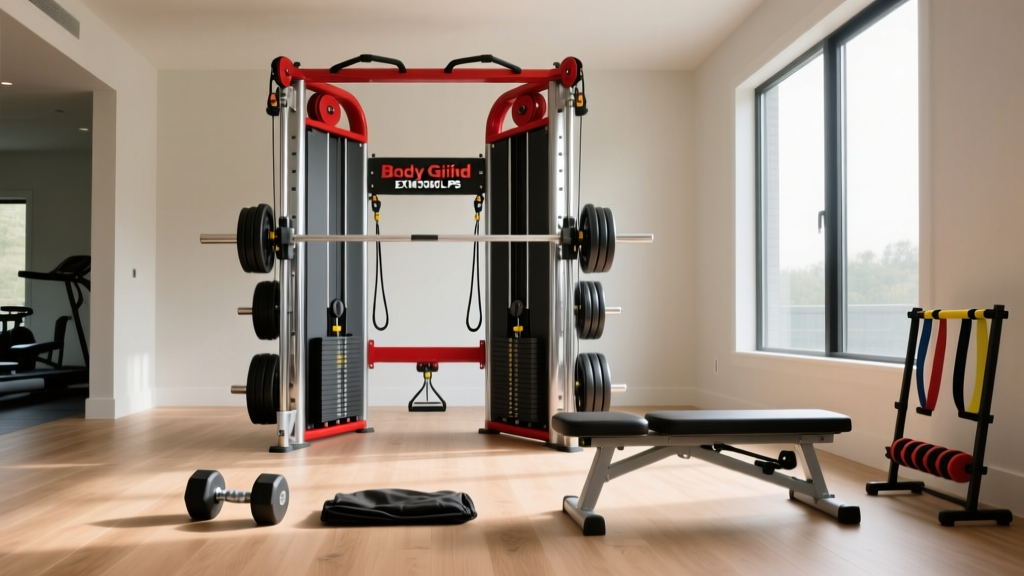
Space Optimization: Body Solid EXM3000LPS Home Gym vs Foldable Setups
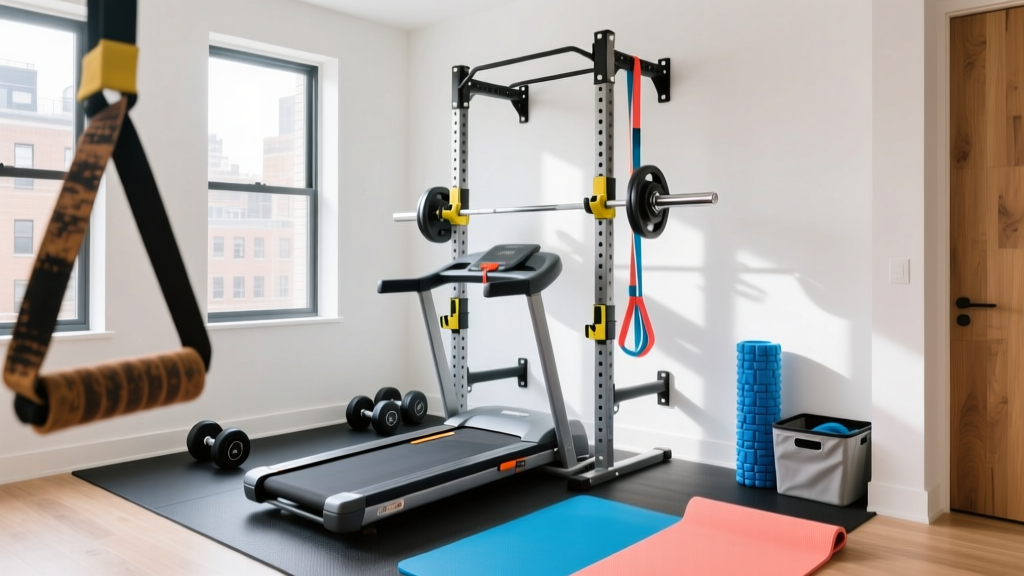
Compact Home Gyms Ideas: Apartment Equipment Maintenance
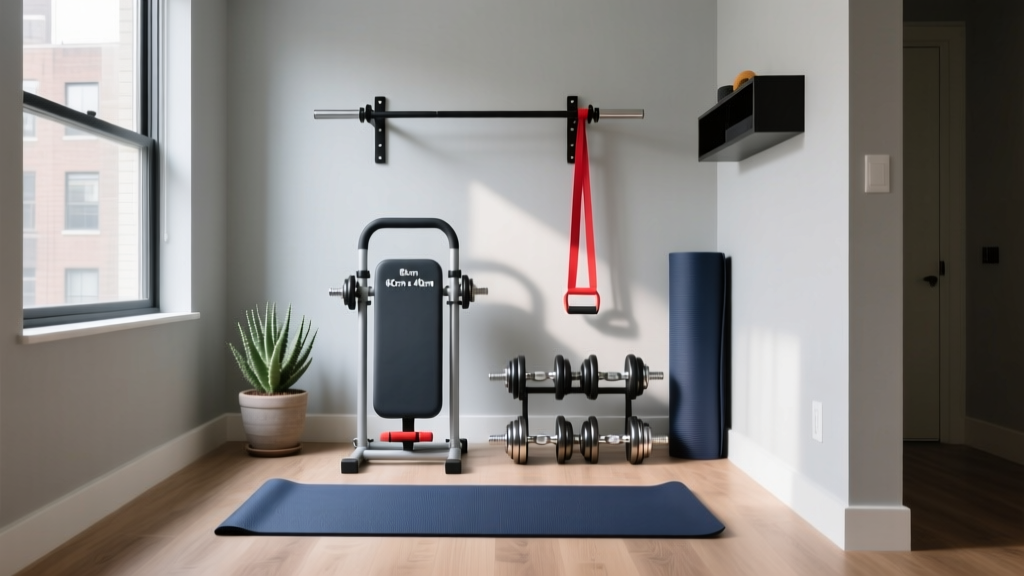
At Home Gym Essentials for Small Spaces: Beginner Layout Guide
