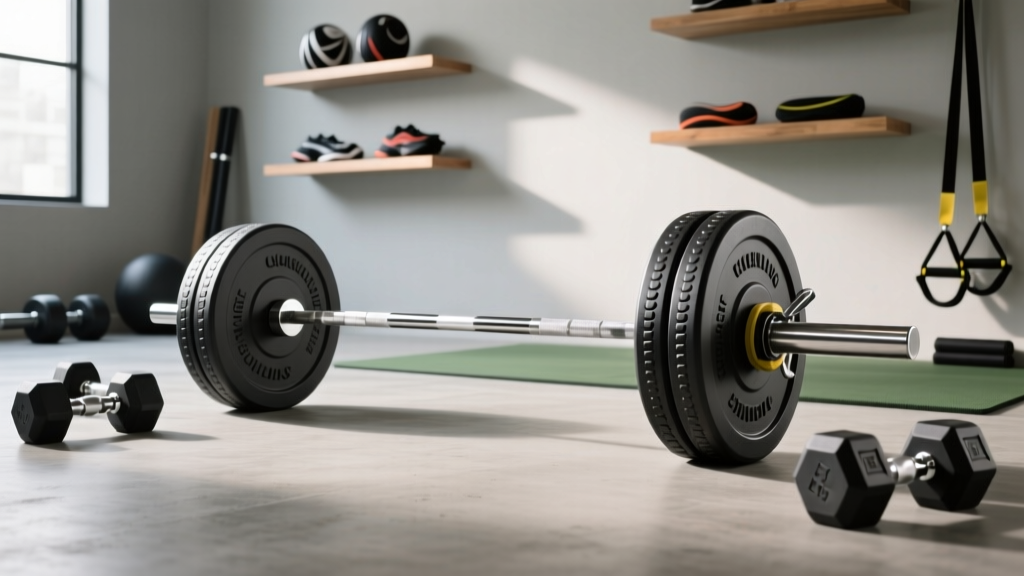
How to Work Out Chest With Dumbbells: Loadable Plate Maintenance
Master how to work out chest with dumbbells safely by maintaining loadable handles and interchangeable plates. Expert care tips for heavy presses.

The Biomechanical Toll of Heavy Chest Presses on Loadable Handles
When athletes research how to work out chest with dumbbells, the focus is almost exclusively on angles, rep ranges, and muscle hypertrophy. However, executing heavy dumbbell bench presses and flyes places immense, often overlooked mechanical stress on your equipment. Unlike fixed-weight dumbbells, loadable dumbbell handles with interchangeable plates—such as the Rogue Loadable Dumbbell Handle ($95.00) or the Titan Fitness T3 Loadable Handle ($64.99)—rely on user-secured collars to maintain structural integrity.
During a heavy incline dumbbell press, the eccentric lowering phase generates significant lateral shear force. If you are pressing 80-pound dumbbells, the sudden deceleration at the bottom of the movement can cause poorly secured plates to shift. This alters the center of mass mid-rep, increasing the risk of a pectoral tear or rotator cuff strain. According to biomechanical analyses of the dumbbell bench press, stabilizing the weight requires not just muscular control, but absolute hardware reliability. As of 2026, maintaining your loadable gear is just as critical as your training program.
Collar Systems: Failure Modes and Maintenance Protocols
The collar is the single point of failure on any loadable dumbbell. Different locking mechanisms require distinct maintenance routines to prevent catastrophic loosening during chest flyes or presses.
| Collar Type | Common Models (2026) | Primary Failure Mode | Maintenance Protocol |
|---|---|---|---|
| Spinlock (Threaded) | CAP Barbell 14", York Fitness | Thread stripping; chalk/sweat buildup causing cross-threading. | Weekly brush cleaning; monthly application of white lithium grease to Acme threads. |
| Lever-Lock / Clamp | Rogue Loadable, Eleiko | Pivot pin wear; loss of clamping tension over time. | Inspect pivot pins for shear stress; apply 3-IN-ONE oil to the hinge quarterly. |
| Spring / Pro-Lock | Titan T3, Generic Barbell Collars | Spring fatigue; loss of outward PSI against the sleeve. | Replace springs annually; wipe coil with dry microfiber to prevent rust seizure. |
⚠️ The Incline Press Loosening Effect
When performing incline chest presses, gravity pulls the plates down the sleeve toward the collar. If you are using standard spinlock collars without rubber O-rings between the plate and the collar, the vibration from racking the weights will slowly back the nut off the threads. Always use a rubber buffer ring or upgrade to lever-lock collars for heavy incline work.
Step-by-Step Knurling and Shaft Rehabilitation
Knowing how to work out chest with dumbbells effectively means maintaining a secure grip, even when sweat and chalk accumulate during high-volume hypertrophy blocks. The knurling on loadable handles is typically cut into raw or zinc-plated steel, making it highly susceptible to oxidation and chalk impaction.
- Dry Brushing (Post-Workout): Immediately after your chest session, use a stiff nylon brush to dislodge loose chalk and dead skin from the knurl valleys. Do not use wire brushes on zinc-plated handles, as this will strip the protective coating.
- Deep Cleaning (Monthly): For stubborn chalk buildup, use a brass wire brush (0.008-inch bristles) with a few drops of mineral oil. Brass is softer than steel and will clean the knurling without dulling the aggressive grip pattern.
- Oxidation Removal: If rust spots appear on raw steel handles, apply a 50/50 mixture of white vinegar and water. Let it sit for exactly 3 minutes, scrub with a brass brush, and immediately neutralize with a baking soda paste.
- Protective Coating: Wipe the shaft down with a very light coat of 3-IN-ONE oil or a dedicated barbell rust preventative. Avoid WD-40, as it leaves a sticky residue that attracts more dirt and degrades rubber O-rings.
Interchangeable Plate Care: Urethane vs. Cast Iron
The plates you load onto your dumbbell handles dictate both the longevity of your equipment and the safety of your home gym floor. When executing dumbbell flyes, the weights are often brought together at the top of the movement, causing the plates to clash repeatedly.
"Equipment longevity in high-volume chest training is directly tied to the material density and coating of the interchangeable plates. Urethane absorbs kinetic energy from plate-on-plate contact, whereas cast iron transfers that shock directly to the dumbbell sleeve and collar threads."
— National Strength and Conditioning Association (NSCA) Facility Standards Guidelines
In 2026, the pricing for premium urethane plates has stabilized, making them the superior choice for loadable dumbbell maintenance. Rogue Urethane Grip Plates average around $2.15 per pound, while standard cast iron plates hover near $1.50 per pound. While cast iron is cheaper upfront, the micro-fractures caused by repeated clanking during chest workouts will eventually degrade the inner bore of the plate, leading to a sloppy fit on the 50mm (Olympic) or 25mm (Standard) sleeve.
Plate Bore Maintenance
- Cast Iron Plates: Inspect the inner bore monthly for rust scaling. Rust buildup shrinks the diameter, making it difficult to slide plates onto the handle, which can bend the sleeve if forced. Use a 1-inch round file to gently clear scaling.
- Urethane/Rubber Plates: Keep away from direct UV sunlight, which causes the polyurethane chains to break down, resulting in a chalky, degraded surface that sheds black dust onto your knurling.
- Calibration: If you are doing drop sets for chest hypertrophy, ensure your plates are calibrated. A 5% weight discrepancy between your left and right dumbbell will cause asymmetrical muscle recruitment and uneven joint stress.
Environmental Controls and Storage Solutions
How you store your loadable dumbbells between chest and back days dramatically impacts their lifespan. Leaving a loaded dumbbell on the floor or a flat bench exposes the sleeve to uneven stress and invites moisture accumulation.
💡 Pro-Tip: The Unloaded Storage Rule
Never store loadable dumbbell handles with plates attached and collars tightened. The constant outward pressure on the collar threads and the downward sag on the sleeve will cause metal fatigue over time. Always unload the handles, wipe the sleeves with a dry cloth, and store them horizontally on a dedicated dumbbell rack or shelf to prevent warping.
Furthermore, humidity control is non-negotiable. If your garage or basement gym exceeds 60% relative humidity, raw steel handles and cast iron plates will develop surface rust within 48 hours. Invest in a commercial-grade dehumidifier and keep silica gel desiccant packets in your plate storage bins.
Final Thoughts on Gear Longevity
Mastering how to work out chest with dumbbells requires a synergy of proper biomechanics and uncompromising equipment standards. By implementing a strict maintenance schedule for your collars, knurling, and interchangeable plates, you ensure that every rep of your incline presses and pec flyes is safe, stable, and effective. Treat your loadable handles with the same respect you give your training program, and they will easily survive a decade of heavy chest days.
More gear to consider
All reviews
How Dumbbell Rack Storage Impacts Dumbbell Chest Fly Form & Value

LA Fitness Dumbbells Feel: Adjustable Comparison & Troubleshooting

Loadable Dumbbells for Bent Over Dumbbell Reverse Flyes: Value Guide

Best Adjustable Dumbbells for the Incline Dumbbell Press (2026 Review)
Power Rack vs Squat Stand: Standing Dumbbell Squeeze Press Guide