
Barbell Collar Types Compared: Heavy Lifts & Ab Dumbbell Workouts
Troubleshoot barbell collar slippage with our 2026 clamp comparison matrix. Learn safety protocols for heavy drops and anchored ab dumbbell workouts.

The Hidden Danger of Improper Barbell Collars
When building a home gym or upgrading a commercial facility, lifters obsess over barbell whip, plate calibration, and rack stability. Yet, the most critical safety component—the barbell collar—is often an afterthought. A failed collar during a heavy clean and jerk or a dynamic drop set doesn't just ruin a lift; it causes catastrophic plate shifts, barbell whip imbalances, and severe injuries. In 2026, with the rise of hybrid training methodologies, understanding the mechanical limits of your clamps is non-negotiable.
This troubleshooting guide dissects the exact failure modes of modern barbell collar types. Furthermore, we will address a highly specific, often overlooked edge case: using barbell anchors for resistance band integration during ab dumbbell workouts. Whether you are dropping 315 lbs on a bumper plate or anchoring a heavy band to a barbell for rotational core work, using the wrong clamp is a critical mistake.
Barbell Collar and Clamp Types: A Troubleshooting Matrix
Not all collars are created equal. The clamping force, material fatigue, and sleeve grip vary wildly across designs. Below is a diagnostic matrix to help you identify if your current gear is a liability.
| Collar Type / Model | Material & Grip | Best Use Case | Common Failure Mode | Avg. Price (2026) |
|---|---|---|---|---|
| Standard Spring Clips | Zinc-plated steel | Light isolation, bench press | Metal fatigue; slips on drops >135 lbs | $8 - $12 |
| Lock-Jawz Pro | Glass-filled nylon | CrossFit, moderate Oly lifts | Micro-fractures from repeated overhead drops | $28 - $32 |
| Rogue AH-1 Aluminum | CNC Aluminum + Dual Urethane O-rings | Heavy powerlifting, Oly drops | O-ring degradation if exposed to solvents | $45 - $50 |
| Eleiko Magnetic Collars | Steel + Neodymium Magnets | Competition Oly weightlifting | Magnet dislodgement if dropped on concrete | $80 - $95 |
Why Spring Clips Fail Under Dynamic Loads
The most common mistake in commercial and garage gyms is relying on spring clips for dynamic movements. Spring clips rely on outward radial tension. However, when a barbell experiences "whip" (the elastic deformation of the steel shaft during a heavy bounce or drop), the sleeve diameter microscopically fluctuates. This momentary reduction in sleeve girth breaks the friction seal of the spring clip, allowing plates to slide outward. According to equipment testing data reviewed by BarBend's gear analysts, standard spring clips lose up to 40% of their clamping force after just six months of heavy use due to metal fatigue.
⚠️ Troubleshooting Warning: If your spring clips leave deep, semi-circular gouges in your bumper plates, the clips are misaligned and applying uneven shear force. Replace them immediately before they snap during a lift.Troubleshooting Collar Slippage During Dynamic Movements
If you are using high-end clamp collars (like the Rogue AH-1 or OSO Pro) and still experiencing slippage, the issue is rarely the collar itself. It is almost always a maintenance or application error.
- Chalk and Zinc Buildup: Olympic barbells have knurled sleeves or smooth zinc/cerakote finishes. Over time, lifting chalk and dead skin accumulate on the sleeve, creating a slick, powdery barrier between the urethane O-ring and the steel. Fix: Wipe sleeves with isopropyl alcohol weekly to restore the metal's natural friction coefficient.
- Improper Seating Depth: Lifters often slam the collar against the plate and lock it. If the collar is not pushed flush against the inner face of the plate before tightening the cam lever, the plate has 1/8th of an inch of lateral play. Under heavy loads, this play creates momentum that can snap the collar's locking mechanism.
- O-Ring Shear: Urethane O-rings are designed for compression, not lateral shear. If you drag your barbell across the floor with plates loaded, the lateral friction can roll and tear the O-rings right out of their CNC-machined grooves.
Anchoring Bands for Ab Dumbbell Workouts: A Critical Edge Case
One of the most dangerous, yet frequently ignored, equipment mistakes occurs outside of traditional barbell lifts. Many home gym owners use their barbell—secured in a squat rack or anchored on the floor with heavy plates—as a makeshift tie-off point for resistance bands. This is especially common when adding variable tension to ab dumbbell workouts.
Consider the mechanics of a banded, weighted Russian twist or a standing woodchopper. You are holding a heavy dumbbell, and a thick resistance band is looped around the shaft or sleeve of the anchored barbell. As you rotate your torso, you generate massive lateral and rotational torque on the band.
"When anchoring bands to a barbell for rotational core work, the lateral pull force can exceed 150 lbs of tension. If you are using standard spring clips or worn nylon clamps to secure the plates acting as your anchor, the band can pull the collar right off the sleeve, resulting in a violent snap-back."
— Biomechanics Safety Guidelines, Strength & Conditioning Equipment Standards
Troubleshooting the Band Anchor Setup
If your programming includes anchored ab dumbbell workouts, you must troubleshoot your barbell anchor point with the same rigor as a 400 lb squat.
- The Mistake: Looping the band directly over the barbell collar or resting it against the inner lip of a clamp collar.
- The Fix: Always use a dedicated band anchor attachment (like a spud strap) looped around the barbell shaft, trapped securely between two tightly clamped plates. Use aluminum cam-lock collars (like the Rogue AH-1) on both sides of the plates to ensure the anchor point cannot slide laterally under rotational dumbbell tension.
Step-by-Step Collar Maintenance and Troubleshooting
To ensure your clamps perform flawlessly in 2026 and beyond, implement this 3-step diagnostic protocol every quarter:
Step 1: The Drop Test Diagnostic
Load a single 45 lb bumper plate on each side. Secure your collars. Drop the barbell from shoulder height onto your flooring. Inspect the O-rings or nylon teeth. If the collar shifted more than 2 millimeters, the internal tension mechanism is compromised. For nylon clamps, look for hairline white stress marks near the hinge—this indicates impending plastic failure.
Step 2: Solvent Avoidance
Never use WD-40, bleach, or harsh degreasers to clean your barbell sleeves near the collars. These chemicals break down the polyurethane compounds in O-rings, causing them to swell, lose elasticity, and eventually disintegrate under clamping pressure. Stick to 70% isopropyl alcohol and a microfiber cloth.
Step 3: Cam-Lever Tension Adjustment
High-end aluminum collars feature adjustable cam levers. If the lever closes too easily, it isn't applying enough PSI to the sleeve. Use a 3mm Allen key to tighten the tension bolt inside the lever housing until closing the cam requires firm, deliberate thumb pressure.
Expert Verdict: Upgrading Your Gym Safety
Troubleshooting free weight safety requires looking at the micro-components that hold your macro-loads together. Spring clips have no place in a serious gym environment beyond light warm-ups. For dynamic Olympic lifts and heavy drop sets, glass-filled nylon clamps offer a budget-friendly middle ground, but they must be retired annually due to invisible micro-fractures.
For maximum security—whether you are bouncing 300 lbs out of the hole in a front squat or anchoring heavy bands for high-tension ab dumbbell workouts—CNC-machined aluminum collars with dual urethane O-rings remain the undisputed gold standard. Stop treating your barbell collars as an accessory; treat them as the primary fail-safe between a successful lift and a catastrophic equipment failure.
More gear to consider
All reviews
Barbell Collar & Clamp Comparison: Securing the Dumbbell Circle
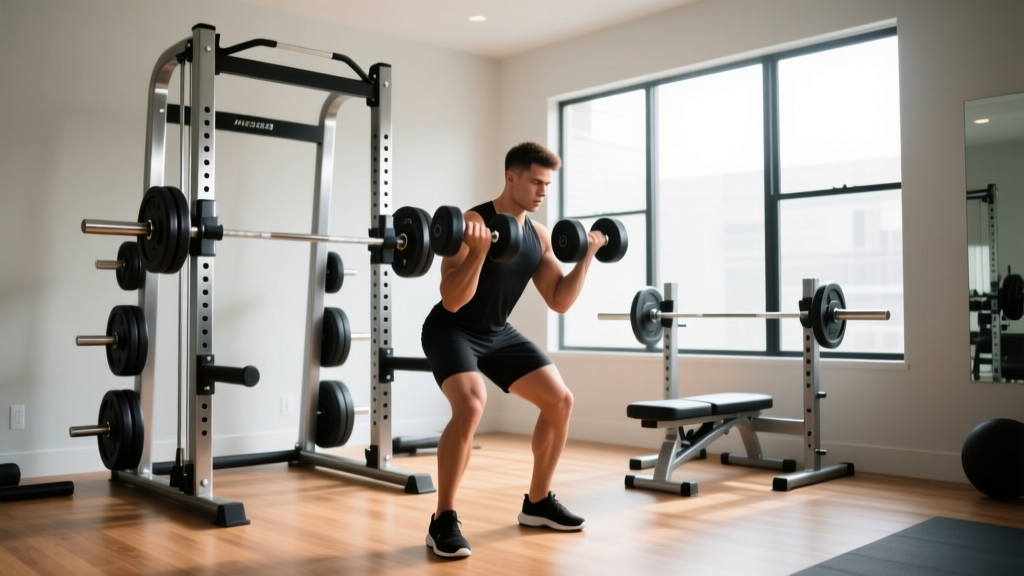
Power Rack vs Squat Rack: Proper Way to Do Dumbbell Curls Safely

Barbell Collars vs. Clamps: Surviving Deadlifts & Dumbbell Burpees

Dumbbell Routines at Home: Troubleshooting Neoprene Weight Mistakes
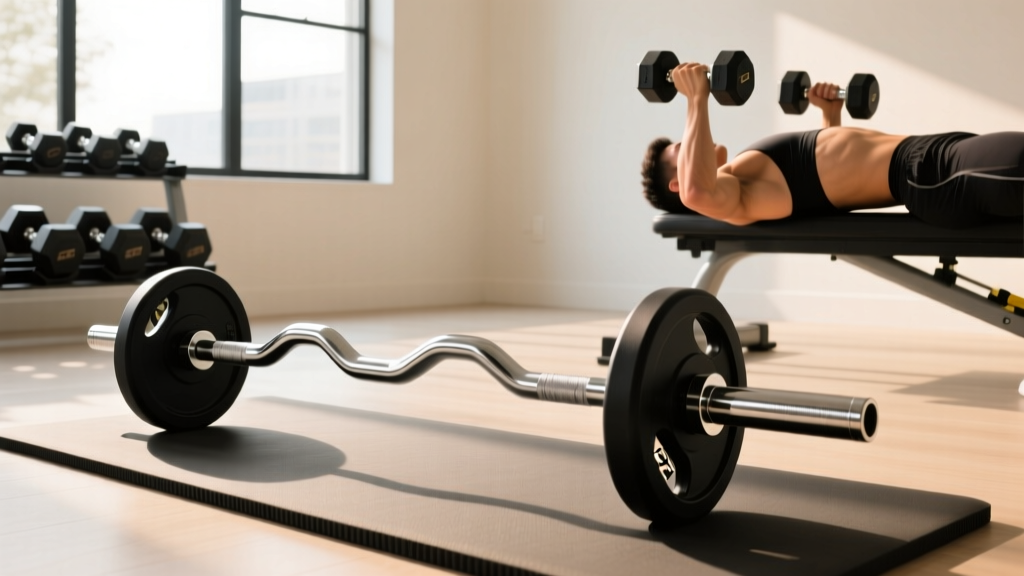
EZ vs Straight Bar Care & Correct Form for Dumbbell Bench Press
