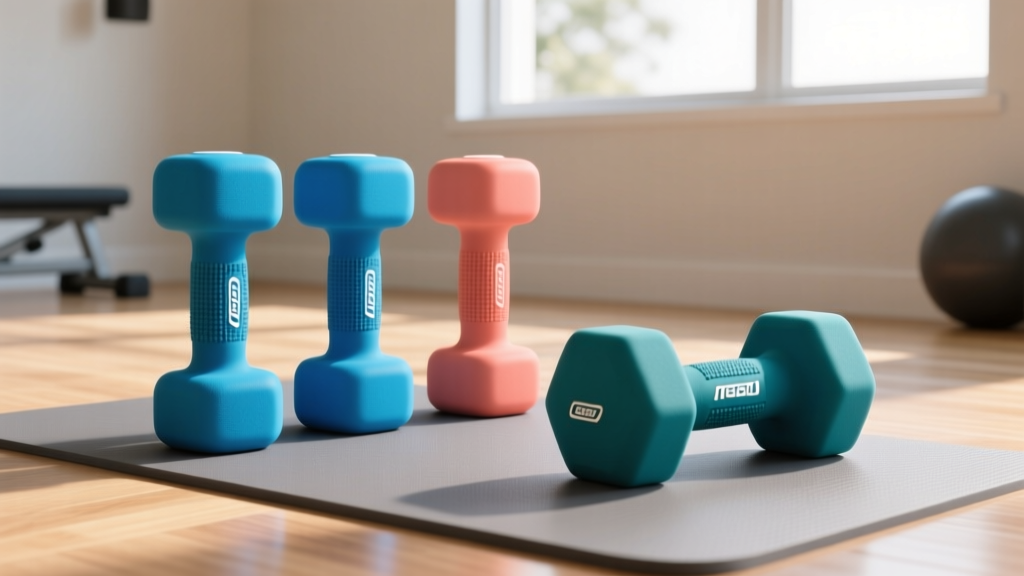
2026 Market Shift: Urethane vs Rubber Hex for Abs Dumbbell Workouts
Analyze the 2026 market shift from rubber hex to urethane dumbbells, driven by the surge in high-rep abs dumbbell workouts and home gym core training.

The home and boutique fitness equipment market in 2026 is experiencing a fascinating micro-trend with macro-level supply chain implications: the hyper-specialization of core training. As hybrid coaching models and digital fitness communities increasingly popularize intensive abs dumbbell workouts, consumers and commercial gym owners are pushing their free weights to the limit. This specific training modality places unique mechanical and environmental stressors on equipment, sparking a definitive market shift away from traditional rubber hex dumbbells toward premium cast urethane alternatives.
In this trend report, we analyze the material science, market pricing, and failure modes driving the urethane vs. rubber hex dumbbell debate, specifically through the lens of high-volume core training.
The Biomechanics of Core Training and Equipment Stress
Why does a targeted core routine matter to a dumbbell manufacturer? The answer lies in the biomechanics of weighted abdominal exercises. Unlike standard hypertrophy movements (like bicep curls or chest presses) where the weight is moved through a controlled vertical or horizontal plane, abs dumbbell workouts often involve rotational torque, ground contact, and high-perspiration environments.
According to the Mayo Clinic, core strength relies on multi-directional stabilization and rotational control. When athletes perform movements like weighted Russian twists, renegade rows, or dumbbell pull-overs for core expansion, the equipment experiences:
- Micro-Impacts: Exercises like Russian twists often involve tapping the dumbbell heads against the floor at the end of each repetition, leading to thousands of low-velocity impacts per session.
- Rotational Torque: Twisting movements apply lateral shear force to the handle-to-head junction, testing the internal fastening mechanisms.
- Chloride Exposure: Core workouts induce high levels of perspiration. Sweat, which contains sodium chloride, drips directly onto the knurling and the rubber-to-steel bonding agents, accelerating corrosion in lower-tier materials.
Polymer Deep Dive: Rubber Hex vs. Urethane
To understand the 2026 market shift, we must examine the material science governing these two dominant dumbbell head coatings. The Center for the Polyurethanes Industry notes that cast polyurethane elastomers offer superior abrasion resistance and tensile strength compared to traditional vulcanized rubbers, a fact that is currently reshaping fitness manufacturing.
Traditional Rubber Hex (SBR and Natural Blends)
Rubber hex dumbbells are typically manufactured using Styrene-Butadiene Rubber (SBR) or recycled tire composites. They generally register between 80 and 85 on the Shore A durometer scale. While cost-effective, SBR rubber is highly susceptible to UV degradation and oxidation. In a home garage gym environment, the edges of rubber hex dumbbells frequently dry-rot, leading to the infamous "black dust" shedding that plagues gym owners.
Cast Urethane (CPU)
Urethane dumbbells are poured using liquid cast polyurethane, resulting in a denser, more resilient coating with a Shore A rating of 90 to 95. Urethane is inherently UV-stable, odorless, and highly resistant to abrasion. When a urethane-coated dumbbell is repeatedly tapped against a rubber mat or concrete floor during a weighted V-up routine, the material absorbs and disperses the kinetic energy without tearing or chipping.
"The transition to urethane in 2026 isn't just about aesthetics or odor reduction; it's a lifecycle cost calculation. Commercial facilities are realizing that replacing degraded rubber hex sets every three years is more expensive than investing in urethane sets that easily survive a decade of high-rep functional training." — 2026 Fitness Equipment Supply Chain Report
2026 Supply Chain and Pricing Matrix
The global fitness equipment market continues to evolve post-pandemic, with Grand View Research highlighting a sustained consumer preference for commercial-grade home equipment. However, shipping costs and raw material availability have shifted the pricing dynamics between rubber and urethane.
| Metric | Virgin Rubber Hex | Cast Urethane |
|---|---|---|
| 2026 Avg. Cost Per Pound | $1.60 - $2.10 | $2.80 - $3.90 |
| Shore A Hardness | 80 - 85A | 90 - 95A |
| Odor / Off-Gassing | High (requires weeks to dissipate) | None / Negligible |
| Sweat & Chloride Resistance | Moderate (bonding agents degrade) | Excellent (impervious to salts) |
| Primary Manufacturing Hubs | China, India | China, USA (Domestic casting rising) |
Market Insight: The Rise of Domestic Urethane Casting
Due to ongoing trans-Pacific freight volatility in 2025 and 2026, several premium fitness brands (such as Rogue and Rep Fitness) have expanded domestic urethane casting facilities in the United States. This localized supply chain drastically reduces the lead time for commercial gym restocks and makes premium urethane sets more accessible to serious home gym enthusiasts who refuse to compromise on their abs dumbbell workouts.
Failure Modes in High-Volume Abs Routines
When analyzing warranty claims and equipment degradation in facilities that emphasize functional core training, distinct failure modes emerge between the two materials.
- Edge Chipping and Delamination (Rubber Hex): The hexagonal shape is designed to prevent rolling, but the sharp corners are structural weak points. During fatigued sets of dumbbell side bends or floor-based crunches, users frequently drop or forcefully set down the weights. Rubber hex corners chip away, exposing the cast iron core to rust.
- The "Rattle" Effect (Internal Fastening): Repetitive rotational torque from twisting movements can loosen the internal hex nuts securing the handle to the cast iron head. While this occurs in both materials, the vibration-dampening properties of high-density urethane reduce the acoustic and mechanical wear on the internal steel fasteners compared to the harder, more rigid bounce of cheap SBR rubber.
- Knurling Corrosion: Because abs dumbbell workouts require a secure grip without the aid of chalk (which is typically reserved for heavy barbell lifts), sweat accumulates rapidly on the handles. Urethane manufacturing processes in 2026 frequently pair the heads with hard-chrome or Cerakote handles that resist chloride corrosion, whereas budget rubber hex sets often use raw or poorly coated steel that pits and rusts within months.
Strategic Buyer Framework for 2026
Should you equip your space with rubber hex or urethane? Use this decision matrix based on your specific training profile and budget.
Choose Virgin Rubber Hex If:
- You are outfitting a commercial facility on a strict capital expenditure budget where cost-per-pound is the primary metric.
- Your core training involves low-rep, highly controlled movements without ground contact.
- The equipment will be stored in a climate-controlled, low-UV environment.
Choose Cast Urethane If:
- Your programming heavily features high-rep abs dumbbell workouts, floor work, and rotational movements.
- You are building a home gym in a garage or basement where off-gassing odors from SBR rubber are unacceptable.
- You view fitness equipment as a 10-year investment and want to eliminate the micro-shedding of black rubber dust onto your flooring.
Conclusion
The year 2026 marks a definitive maturation in the free weights market. Consumers are no longer just buying "heavy things to lift"; they are purchasing specialized tools tailored to their specific biomechanical routines. As the popularity of dynamic, high-sweat abs dumbbell workouts continues to climb, the limitations of traditional rubber hex dumbbells are being fully exposed. Cast urethane, with its superior abrasion resistance, sweat-proof longevity, and increasingly competitive domestic pricing, has emerged as the undisputed material champion for modern core training.
More gear to consider
All reviews
Barbell Collar & Clamp Setup for Good Dumbbell Bicep Exercises
Bumper vs Iron Plates: Layouts & Dumbbell Squats Muscles Worked
Bumper vs Iron Plates: Gym Layout & Dumbbell Front Shoulder Press

Dumbbell Shoulder Workout Routine Stalled? Collar vs. Clamp Guide

Rubber Hex vs Urethane Care: Longevity & Bicep Curls GIF Guide