
Standard vs Olympic Plates & Dumbbell Lateral Raise for Women
Master your home gym setup with our Olympic vs standard plate guide. Plus, learn how standard loadable dumbbells perfect the lateral raise for women.

The Home Gym Dilemma: 2-Inch Olympic vs 1-Inch Standard
When designing a comprehensive home gym, the decision between Olympic and standard weight plate ecosystems dictates your entire equipment footprint, storage solutions, and exercise versatility. While Olympic plates (featuring a 2-inch or 50.8mm center hole) dominate commercial spaces and heavy powerlifting setups, standard plates (with a 1-inch or 25.4mm center hole) offer unique advantages for isolation work and budget-conscious garage gyms. In 2026, with cast iron prices stabilizing and specialized home gym footprints shrinking, understanding the installation and application of both systems is critical for a complete setup.
Quick Spec Comparison: Olympic vs Standard
| Feature | Olympic (2-Inch) | Standard (1-Inch) |
|---|---|---|
| Hole Diameter | 50.8mm (2 inches) | 25.4mm (1 inch) |
| Barbell Compatibility | Olympic Sleeves (Rogue, Eleiko) | Spinlock Handles, Lightweight Bars |
| Max Load Capacity | 450 lbs - 1,500+ lbs | 200 lbs - 350 lbs |
| 2026 Avg Price Per Pound | $1.40 - $2.20 / lb | $0.95 - $1.30 / lb |
| Primary Use Case | Heavy Compounds, Rack Pulls, Squats | Micro-loading, Isolation, Loadable DBs |
Complete Setup and Installation Walkthrough
Integrating weight plates into your home gym requires more than just stacking them in a corner. Proper installation of storage solutions ensures safety, protects your flooring, and extends the lifespan of your equipment. Below is the step-by-step walkthrough for installing storage for both plate types.
Phase 1: Olympic Plate Storage Integration
For Olympic plates, the most efficient 2026 setup involves integrating sandwich plate storage directly onto your power rack. If you are using a rack like the REP Fitness PR-4000 or Titan T-3, follow these installation steps:
- Mount the Sandwich J-Cups: Attach the plate storage horns to the uprights. Ensure you use the provided UHMW (Ultra-High Molecular Weight) plastic sleeves over the steel pegs. This prevents the cast iron or rubber Olympic plates from grinding against the steel, which degrades the center holes over time.
- Distribute the Load: Install the heaviest plate storage pegs (45lb and 35lb plates) on the lowest upright holes, typically around 12 to 18 inches from the floor. This lowers the rack's center of gravity, reducing the risk of tipping during heavy barbell un-racking.
- Secure the Band Pegs: If your storage horns double as band pegs, ensure the locking pins are fully seated through the uprights to handle the lateral tension of resistance bands.
Phase 2: Freestanding Standard Plate Tree Assembly
Standard plates require a dedicated A-frame tree. Because 1-inch plates are often used in higher volumes for dumbbell assemblies, a freestanding tree is ideal.
- Base Footprint Verification: Ensure your tree has a minimum 24x24-inch base. Standard trees with narrow 18-inch bases are notorious for tipping forward when fully loaded with 100+ lbs of 1-inch plates.
- Hardware Tightening: Use a socket wrench to tighten the central spine bolts. Standard plate trees rely on a threaded central rod; if this is only hand-tightened, the tree will wobble and eventually bend under the asymmetric load of missing plates.
- Loading Sequence: Always load the 25lb and 10lb standard plates on the bottom pegs, reserving the top pegs for 5lb, 2.5lb, and 1.25lb fractional plates.
The Micro-Loading Secret: Perfecting the Dumbbell Lateral Raise for Women
While Olympic plates are undisputed kings of the squat rack, standard plates hold a massive, often overlooked advantage for upper body isolation—specifically when programming the dumbbell lateral raise for women. The lateral deltoid is a relatively small, pennate muscle group. According to kinesiology data from ExRx.net's exercise database, isolation movements require strict form and precise progressive overload to avoid compensatory patterns, such as the upper trapezius taking over the lift.
For many female lifters, the transition from 10 lb fixed dumbbells to 15 lb fixed dumbbells represents a brutal 50% increase in load. This massive jump frequently leads to form breakdown, momentum usage, and stalled hypertrophy. This is where the 1-inch standard plate ecosystem becomes a game-changer.
'Progressive overload on small muscle groups requires micro-increments. Jumping 5 pounds on a lateral raise is biomechanically equivalent to jumping 25 pounds on a bench press. Fractional loading is the key to continuous adaptation.' — National Strength and Conditioning Association (NSCA) Hypertrophy Guidelines
By utilizing 14-inch standard spinlock dumbbell handles paired with 1.25 lb and 2.5 lb standard cast iron plates, you can create custom weights like 11.25 lbs, 12.5 lbs, and 13.75 lbs. This bridges the gap perfectly, allowing for seamless progression on the dumbbell lateral raise for women without sacrificing strict, controlled mechanics.
Step-by-Step: Assembling the Ideal Loadable Dumbbell
To build the perfect micro-loadable dumbbell for lateral raises, follow this assembly protocol:
- Thread the First Star Lock: Slide the cast iron star-lock nut onto the 1-inch threaded handle and twist it down to the base of the grip.
- Load Fractional Plates First: Slide on your 1.25 lb standard plates. Placing them closest to the handle ensures they are clamped tightly and won't rattle during the lateral raise's eccentric phase.
- Add Primary Plates: Slide on the 2.5 lb or 5 lb standard plates to reach your target weight.
- Secure and Flush: Thread the second star-lock nut down tightly. Ensure the locking ridges on the nut bite into the center hole of the plate. Give the dumbbell a vigorous shake to test for slippage before initiating your set.
Cost Breakdown and Long-Term Value
When outfitting a home gym in 2026, budget allocation is critical. As detailed in comprehensive equipment analyses by BarBend's weight plate guides, the initial entry cost for standard plates is significantly lower, but the long-term utility varies based on your training goals.
2026 Home Gym Budget Allocation
- 300 lb Olympic Cast Iron Set: ~$450 - $550 (Includes 45s, 35s, 25s, 10s, 5s, 2.5s). Best for heavy barbell compounds.
- 200 lb Standard Cast Iron Set: ~$220 - $280. Best for loadable dumbbells, isolation work, and beginner barbell routines.
- Standard Spinlock Handles (Pair, 14-inch): ~$45 - $60. An absolute necessity for unlocking the micro-loading potential of standard plates.
If your training split heavily emphasizes hypertrophy, arm isolation, and shoulder development, dedicating $300 to a high-quality standard plate and spinlock setup will yield better aesthetic results than spending that same amount on a single pair of heavy Olympic bumper plates.
Frequently Asked Questions
Can I use Olympic plates on a standard barbell?
No. Olympic plates have a 2-inch center hole, while standard barbells and dumbbell handles have a 1-inch diameter sleeve. Attempting to use adapters to fit Olympic plates onto standard bars is highly dangerous, as the adapters shift the center of gravity and can snap under heavy loads.
Are standard plates accurate enough for micro-loading?
While cheap, off-brand standard plates can have a 5-10% weight variance, reputable brands like CAP Barbell and Troy Barbell calibrate their 1.25 lb and 2.5 lb standard plates to within a 2% tolerance. For isolation exercises like lateral raises, this minor variance is imperceptible and perfectly safe for progressive overload.
How do I maintain the threads on spinlock dumbbell handles?
The threads on 1-inch spinlock handles can strip if cross-threaded or exposed to rust. Wipe the handles down with a microfiber cloth after use to remove sweat, and apply a light coat of 3-in-One oil or silicone lubricant to the threads once a month to ensure the star-lock nuts glide smoothly during weight changes.
More gear to consider
All reviews
Olympic vs Standard Plates & What Do Dumbbell Lateral Raises Work?
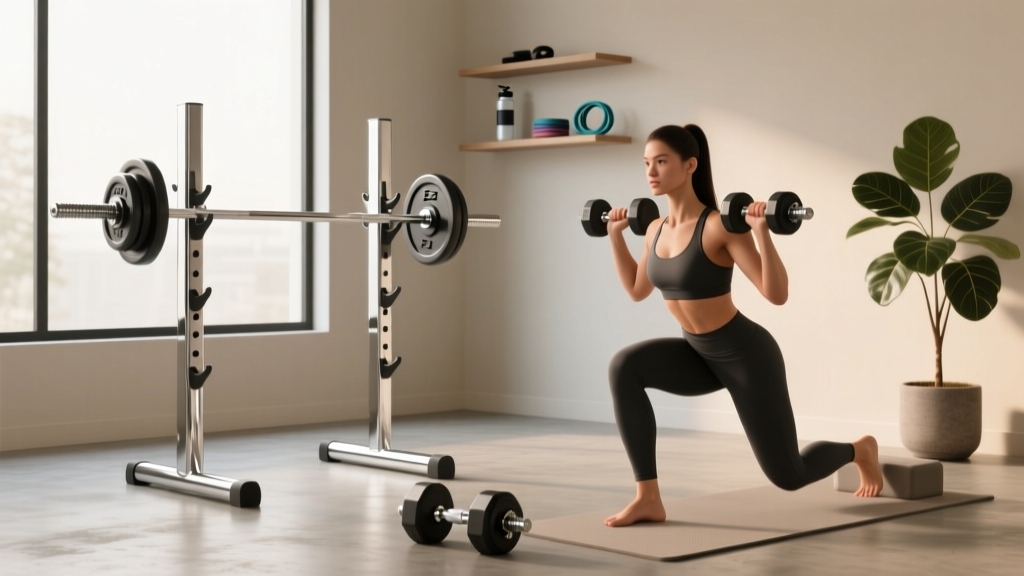
EZ Curl Bar vs Straight Bar & Dumbbell Bulgarian Squat Value

Cast Iron vs Competition Kettlebells vs Dumbbell Glute Bridge on Bench

Best Adjustable Dumbbells for Dumbbell Curl Variations: 2026 Review
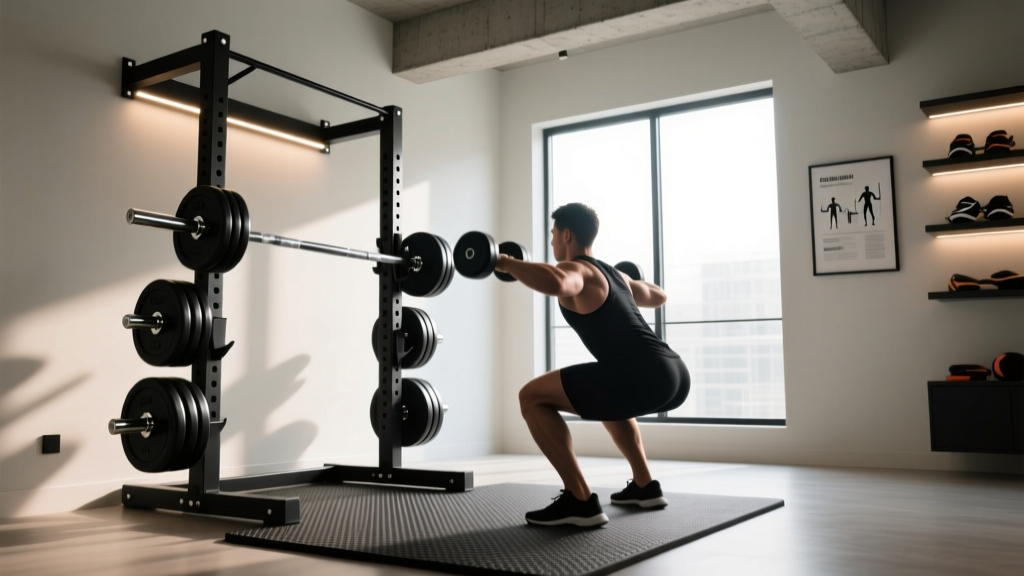
Front Rack Dumbbell Squat Trends: 2026 Storage & Rack Analysis
