Back Dumbbell Raise Mistakes & Best Adjustable Dumbbells Reviewed
Fix your back dumbbell raise form and find the perfect gear. We compare top adjustable dumbbells and troubleshoot common rear delt mistakes.

The Biomechanics of the Back Dumbbell Raise
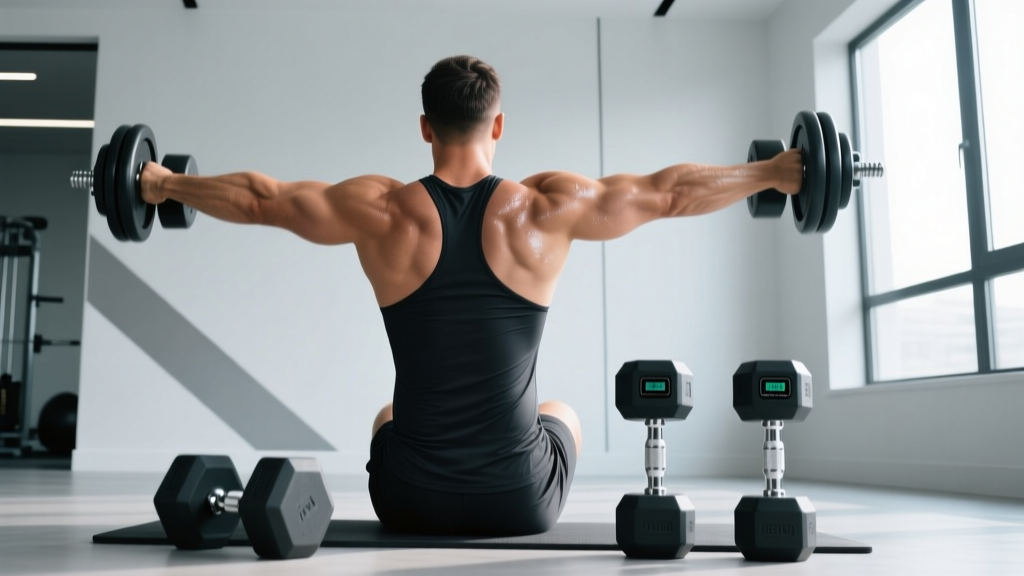
The back dumbbell raise—often referred to as the rear delt fly or bent-over lateral raise—is a foundational isolation movement targeting the posterior deltoid. Unlike compound pulling movements such as barbell rows, this exercise demands strict transverse abduction of the shoulder joint. According to ExRx.net's posterior deltoid directory, the primary function of the rear delt is to horizontally abduct the arm, meaning the muscle fibers are best engaged when the arm is moved away from the midline of the body in a transverse plane.
However, executing this movement flawlessly is notoriously difficult, particularly when using adjustable dumbbells. The shifting center of gravity, bulky weight plates, and handle dimensions of modern adjustable models can severely disrupt your biomechanics, leading to momentum-based cheating, trap dominance, and joint irritation. In this comprehensive troubleshooting guide, we will dissect the most common form errors and review the top adjustable dumbbells on the market to determine which models actually support proper rear deltoid isolation.
3 Critical Form Mistakes (And How to Fix Them)
Expert Warning: The rear deltoid is a relatively small muscle group. Attempting to lift loads better suited for your latissimus dorsi or rhomboids will instantly shift the tension away from the target muscle and onto your cervical spine and trapezius.Mistake 1: Scapular Retraction and Trap Dominance
The most pervasive error in the back dumbbell raise is actively squeezing the shoulder blades together at the top of the movement. While scapular retraction is the gold standard for heavy rows, it is counterproductive for rear delt isolation. When you retract your scapulae, the rhomboids and mid-traps take over the load, effectively robbing the posterior deltoid of time under tension.
The Fix: Maintain a neutral or slightly protracted scapular position. Imagine your shoulder blades are pinned to the ceiling while you are bent over. Focus entirely on pushing the dumbbells out toward the walls on either side of you, rather than squeezing them together behind your back.
Mistake 2: The 'Ceiling' Pull vs. The 'Wall' Push
Many lifters treat the back dumbbell raise like a rowing variation, pulling the dumbbell handles toward the ceiling. This introduces elbow flexion and recruits the biceps and triceps, diluting the isolation effect on the shoulder capsule.
The Fix: Lock your elbows in a soft, fixed bend (about 10 to 15 degrees). The movement should originate entirely from the shoulder joint. Visualize pushing your knuckles toward the opposite walls of the room. The American Council on Exercise (ACE) reverse fly guidelines emphasize keeping the wrists neutral and avoiding excessive supination or pronation at the apex of the lift to maintain continuous tension on the posterior fibers.
Mistake 3: Adjustable Dumbbell Snagging and Clanging
This is a gear-specific failure mode. When performing a bent-over back dumbbell raise, the dumbbells must hang freely at the bottom of the movement. Many adjustable dumbbells are excessively long. When you lower the weights, the bulky ends clash together or strike your knees, forcing you to widen your stance unnaturally or shorten your range of motion.
The Fix: You must select an adjustable dumbbell with a compact footprint, or alter your setup to a 45-degree incline bench chest-supported raise to eliminate the knee-clearance issue entirely.
Adjustable Dumbbell Review: Which Model Suits the Rear Delt Fly?
Not all adjustable dumbbells are created equal, especially when it comes to isolation exercises that require a wide arc of motion. Below, we evaluate the three market leaders based on their physical dimensions, weight distribution, and suitability for the back dumbbell raise.
1. Nuobell 80 lb Adjustable Dumbbells (Best Overall for Isolation)
The Nuobell 80 lb set has become the gold standard for serious home gym enthusiasts in 2026, primarily due to its traditional dumbbell profile. Measuring just 12.5 inches in length at the base weight, the Nuobell mimics the feel of a fixed hex dumbbell. During a back dumbbell raise, the compact profile prevents the weights from clanging together at the bottom of the movement, allowing for a full stretch of the posterior deltoid. The knurled steel handle provides excellent grip security without the need for excessive squeezing, which can prematurely fatigue your forearms during high-rep rear delt sets. Priced at approximately $359, the Nuobell's 5 lb increment dial system is smooth and lacks the fragile plastic tabs found on competitors.
2. Bowflex SelectTech 552 (The Clearance Problem)
The Bowflex 552 is arguably the most recognizable adjustable dumbbell globally, retailing around $399. However, it presents a massive structural flaw for the back dumbbell raise: its length. At 15.75 inches long, the SelectTech 552 is exceptionally bulky. When performing a bent-over rear delt fly, the plastic weight trays will inevitably collide at the bottom of the movement unless you adopt an unnaturally wide stance. Furthermore, the bulky dials at both ends of the handle restrict wrist rotation, making the neutral-grip variation of the back raise highly uncomfortable. While excellent for goblet squats and presses, it scores poorly for transverse shoulder abduction.
3. PowerBlock Elite EXP (The Cage Restriction)
Priced at roughly $299 for the base model, the PowerBlock Elite EXP utilizes a unique cage design that houses the handle inside the weight stack. Its 12-inch length solves the clearance issue that plagues the Bowflex, allowing the dumbbells to pass freely at the bottom of a back raise. However, the internal cage restricts your hand placement. If you have large hands or prefer to grip the dumbbell slightly off-center to alter the lever arm during a rear delt fly, the PowerBlock's enclosed design will feel claustrophobic. Additionally, the boxy shape can dig into the forearm during the pronated grip variation of the raise.
Head-to-Head Comparison Matrix
| Model | Total Length | Handle Type | 2026 Price | Rear Delt Suitability |
|---|---|---|---|---|
| Nuobell 80 | 12.5 inches | Knurled Steel | $359 | 9.5 / 10 (Excellent) |
| Bowflex 552 | 15.75 inches | Rubberized | $399 | 5.0 / 10 (Poor) |
| PowerBlock Elite | 12.0 inches | Caged Steel | $299 | 7.5 / 10 (Good) |
Step-by-Step Execution Protocol for Adjustable Dumbbells
To maximize hypertrophy and avoid the common pitfalls associated with adjustable gear, follow this exact step-by-step troubleshooting protocol for your next back dumbbell raise session:
- Select the Right Load: The rear delts respond best to metabolic stress. Choose a weight that allows for 12 to 15 strict reps. With adjustable dumbbells, use the 5 lb or 2.5 lb micro-increment settings rather than jumping up 10 lbs.
- Establish the Hinge: Hinge at the hips until your torso is nearly parallel to the floor. Keep a soft bend in your knees. If your hamstrings are tight, use a 45-degree incline bench to support your chest and eliminate lower back fatigue.
- Neutralize the Scapula: Let your arms hang straight down. Do not squeeze your shoulder blades together. Let them protract slightly, feeling a mild stretch across the upper back.
- Initiate the Arc: Lead the movement with your elbows, not your hands. Push the dumbbells outward in a wide arc. If using Nuobells or PowerBlocks, ensure the flat sides of the weights do not catch on your thighs.
- Control the Eccentric: Take a full 2 to 3 seconds to lower the weight. Adjustable dumbbells have a rigid, non-yielding exterior; dropping them quickly will cause the internal weight pins to rattle and degrade the equipment over time.
Final Verdict & 2026 Buying Advice
Mastering the back dumbbell raise requires a synergy of strict biomechanical discipline and the right equipment. The majority of lifters fail to grow their rear delts because they allow the trapezius to hijack the movement through excessive scapular retraction, or they use equipment that physically restricts their range of motion.
If your home gym relies on adjustable dumbbells, we strongly advise avoiding elongated models like the Bowflex SelectTech for isolation work. The 15.75-inch footprint actively works against the natural arc of the transverse abduction path. Instead, invest in the Nuobell 80 lb set. Its 12.5-inch profile, traditional knurled handle, and seamless weight transitions make it the undisputed champion for rear deltoid isolation, allowing you to focus purely on the mind-muscle connection without your gear getting in the way. Pair this equipment adjustment with a protracted scapular cue, and your posterior delts will experience unprecedented growth and stability.
More gear to consider
All reviews
Olympic Barbell Knurling Guide & Cute Dumbbell Set Setup

Loadable Plates vs Dial: Bowflex Dumbbell Exercises Cost Analysis

Dumbbell Bench Press Machine Setup & Barbell Collar Guide

Dumbbell Curtsy Lunges: Form Fixes & Olympic vs Standard Plate Guide

Barbell Collar & Clamp Types: Tricep Push Down Dumbbell Safety