Standard vs Olympic Plates: Which Fits Your Dumbbell Hammer Curl?
Discover the real differences between Olympic and standard weight plates, and how your choice impacts adjustable dumbbell exercises like the hammer curl.

The 1-Inch vs 2-Inch Divide: More Than Just Barbell Sleeves
When outfitting a home gym in 2026, the choice between Olympic and standard weight plates is the foundational decision that dictates your entire equipment ecosystem. Most casual lifters assume this choice only matters for heavy barbell compound lifts like squats and deadlifts. However, as any seasoned strength coach will tell you, the bore size of your plates drastically affects the ergonomics, safety, and effectiveness of your adjustable dumbbell isolation work—most notably, the dumbbell hammer curl.
At first glance, the difference seems purely dimensional. But when you start loading adjustable handles, the physical footprint of the collars, the sleeve lengths, and the plate hubs create entirely different biomechanical experiences. According to BarBend's comprehensive weight plate guide, choosing the wrong plate-to-handle pairing is one of the most common and expensive mistakes home gym owners make.
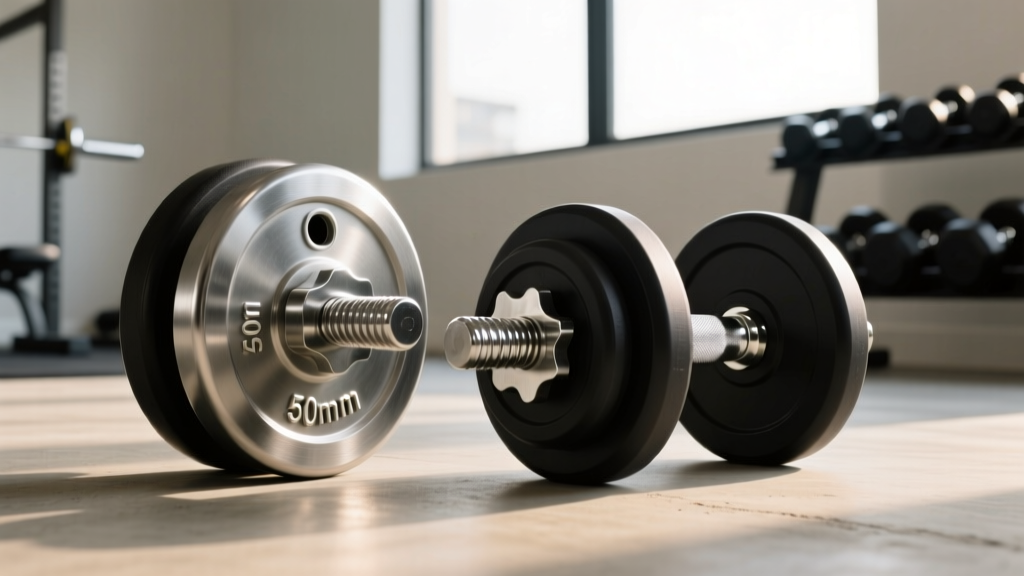
The Golden Rule of Plate Bores- Standard Plates: Feature a 1-inch (25.4mm) center bore. Designed for standard barbells and 14-inch spin-lock dumbbell handles.
- Olympic Plates: Feature a 2-inch (50.8mm) center bore. Designed for Olympic barbells, specialized deadlift bars, and heavy-duty 20-inch Olympic dumbbell handles.
The Ergonomics Test: Why the Dumbbell Hammer Curl Matters
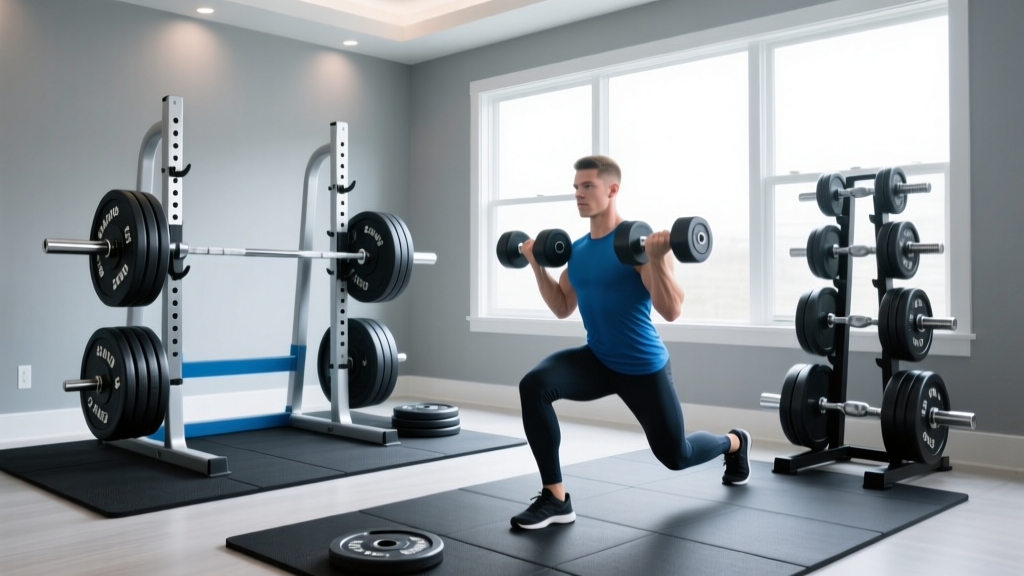
Why bring up a specific bicep and brachioradialis exercise in a buying guide for weight plates? Because the dumbbell hammer curl serves as the ultimate stress test for adjustable dumbbell ergonomics. When performing a hammer curl, you utilize a neutral grip (palms facing each other). This grip orientation forces the inner collar and the innermost weight plate to sit in dangerously close proximity to your thumbs, wrists, and forearms.
Biomechanics and Grip Interference
According to ExRx.net's biomechanical breakdown of the movement, the dumbbell hammer curl requires a strict, vertical bar path to maximize brachioradialis and brachialis activation. If the equipment forces you to flare your wrists or alter your grip width, you leak power and invite joint strain.
Here is where the plate type dictates your success:
- The Standard 1-Inch Advantage: A traditional 14-inch solid steel spin-lock dumbbell handle uses a threaded sleeve and a relatively slim "star" collar. When loaded with 1-inch cast iron plates, the collar sits nearly flush against the plates. This leaves ample clearance for your thumbs and forearms, allowing for a full, unobstructed range of motion during the concentric phase of the curl.
- The Olympic 2-Inch Problem: Olympic dumbbell handles (such as the popular Troy Barbell 20-inch Olympic handles) have massive 2-inch sleeves. To secure the plates, you must use bulky Olympic spring collars or clamp-style collars (like the Rogue HG 2.0 Collars). These collars can add up to 2.5 inches of lateral width per side. When you attempt a heavy dumbbell hammer curl with this setup, the collars physically collide with your forearms, forcing you into ulnar deviation (bending the wrist outward) and severely limiting your range of motion.
Head-to-Head Comparison Matrix
Beyond the ergonomic realities of isolation lifts, standard and Olympic plates differ wildly in durability, weight increments, and overall footprint. Below is a direct comparison based on 2026 market standards.
| Feature | Standard Plates (1-Inch) | Olympic Plates (2-Inch) |
|---|---|---|
| Center Bore | 1 inch (25.4mm) | 2 inches (50.8mm) |
| Max Load Capacity | ~300 lbs (Barbell) / ~120 lbs (Dumbbell) | 800+ lbs (Barbell) / 200+ lbs (Dumbbell) |
| Collar Type | Threaded Spin-Lock / Spring Clips | Spring Collars / Clamp Locks |
| Plate Materials | Cast Iron, Vinyl-Filled Concrete, Rubber | Cast Iron, Urethane, Crumb Rubber, Virgin Rubber |
| Smallest Increment | 2.5 lbs (Rarely 1.25 lbs) | 0.5 lbs (Fractional Change Plates) |
| Dumbbell Ergonomics | Excellent for isolation (e.g., Hammer Curls) | Poor for isolation; Excellent for heavy presses |
Metallurgy, Coatings, and the "Flush Fit" Problem
When buying standard plates for adjustable dumbbells, the material coating is just as critical as the bore size. In 2026, the market is flooded with cheap, rubber-encased standard plates. While these protect your floors, they often feature a thick, protruding rubber hub around the 1-inch bore.
Expert Warning: If you buy rubber-coated standard plates for a 14-inch spin-lock dumbbell handle, the thick rubber hubs will prevent the plates from sitting flush against each other. This "stacking gap" eats up valuable sleeve space, meaning you might only be able to fit three 10-lb plates per side instead of four, artificially capping your progressive overload.
For the best adjustable dumbbell experience, stick to machined cast iron standard plates. The steel hubs are precisely milled to sit perfectly flush, maximizing the sleeve real estate on your 1-inch handles. For Olympic plates, where sleeve space is abundant (often 7+ inches per side on a barbell), you can freely invest in Rogue Fitness Echo Bumper Plates or urethane-coated Olympic plates without worrying about sleeve capacity for standard lifts.
2026 Pricing and Value Breakdown
Budgeting for a home gym requires looking at the cost-per-pound of your iron. Olympic plates command a premium due to the higher volume of steel or rubber required for the larger 2-inch hub and the tighter manufacturing tolerances required for calibrated plates.
- Standard Cast Iron (1-Inch): Expect to pay between $1.00 and $1.40 per pound. A 200-lb set will typically cost around $220. This is the undisputed king of budget-friendly adjustable dumbbell setups.
- Olympic Cast Iron (2-Inch): Prices range from $1.60 to $2.20 per pound. A comparable 200-lb set will run you $350 to $450.
- Olympic Urethane/Bumper: Premium options range from $3.50 to $6.00+ per pound. These are strictly for Olympic barbell work, CrossFit drops, and commercial environments. They are entirely impractical for adjustable dumbbell isolation work.
The "Hybrid Gym" Strategy: Do You Need Both?
The most efficient home gyms in 2026 utilize a hybrid approach. You do not necessarily have to choose just one ecosystem if you understand their distinct use cases.
Step 1: Secure Your Olympic Base
Invest in an Olympic barbell, a power rack, and a set of Olympic bumper or cast-iron plates for your heavy, two-handed compound movements: squats, deadlifts, bench presses, and Olympic lifts. The 2-inch bore is mandatory for the rotational sleeves of a high-quality barbell, which protects your wrists during heavy loads.
Step 2: Build a Standard Dumbbell Station
Purchase two 14-inch solid steel 1-inch spin-lock handles and a separate set of standard machined cast iron plates (e.g., four 10s, four 5s, and four 2.5s per handle). Dedicate this station strictly to unilateral and isolation work. When you step up to the rack to execute a strict set of dumbbell hammer curls, lateral raises, or tricep extensions, your standard setup will provide the ergonomic clearance and wrist neutrality that an Olympic dumbbell handle simply cannot offer.
Frequently Asked Questions
Can I use Olympic plates on standard dumbbell handles?
No. The 2-inch bore of an Olympic plate will not fit onto the 1-inch sleeve of a standard dumbbell handle. While plastic adapter rings exist to let you use standard 1-inch plates on an Olympic 2-inch barbell, there is no safe or commercially viable adapter to shrink an Olympic plate's bore to fit a standard handle.
Will a 1-inch standard dumbbell handle bend during heavy curls?
If you are using a high-quality, solid steel 1-inch handle (not a hollow tube), it will easily support up to 120 lbs per hand without bending. However, if you attempt to load 150+ lbs onto a standard 14-inch handle, you will run out of physical sleeve space before the steel yields. For loads exceeding 120 lbs per hand, you must transition to specialized heavy-duty adjustable dumbbells (like Nuobell or PowerBlock) or Olympic dumbbell handles, accepting the ergonomic compromises for heavy pressing movements.
Are vinyl-filled concrete standard plates worth the savings?
Avoid them for adjustable dumbbells. Vinyl-filled concrete plates are incredibly bulky. A 10-lb concrete plate is nearly twice as thick as a 10-lb cast iron plate. If you load concrete plates onto a dumbbell handle, you will max out the sleeve length with very little actual weight, rendering them useless for progressive overload in exercises like the hammer curl.
More gear to consider
All reviews
Olympic vs Standard Plates for Lifts & Russian Twists with Dumbbells

2026 Adjustable Dumbbell Review & Biceps Dumbbell Exercises Chart

Best Adjustable Dumbbells for Dumbbell Workouts That Build Muscle (2026)

Olympic vs Standard Plates: Sizing Mistakes & Dumbbell Logo Myths

Rack Storage & Care for Lat Pulldowns and Dumbbells