Squats with Dumbbells Benefits: Rubber Hex vs Urethane Care Guide
Discover how proper maintenance of rubber hex vs urethane dumbbells ensures safety and maximizes your squats with dumbbells benefits for years to come.

While fitness professionals frequently highlight the squats with dumbbells benefits—such as enhanced core activation, improved ankle mobility, and reduced spinal shear compared to barbell back squats—few discuss the structural integrity required to perform them safely. Whether you are executing heavy goblet squats or high-rep Bulgarian split squats, your equipment takes a beating. This guide explores the longevity, wear patterns, and maintenance protocols of rubber hex versus urethane dumbbells to keep your squat arsenal in peak condition through 2026 and beyond.
The Biomechanical Demand of Dumbbell Squats on Equipment
To truly capitalize on the squats with dumbbells benefits documented by ACE Fitness, athletes must handle substantial loads. A mature lifter performing dumbbell front squats might hold a pair of 70 lb to 100 lb dumbbells, placing immense static tension on the handle knurling and dynamic shock on the dumbbell heads during the initial floor pick-up.
Unlike barbell plates that are carefully loaded and unloaded, dumbbells used for squats are frequently grabbed from the floor, rested against the shoulders, and occasionally dropped when a set of lunges or split squats reaches muscular failure. This specific use case accelerates wear and tear, making the choice between rubber hex and urethane coatings—and their subsequent maintenance—critical for gym owners and home gym enthusiasts alike.
Material Degradation: Rubber Hex vs. Urethane
Understanding the chemical and physical properties of your dumbbell coatings is the first step in establishing a longevity protocol. Both materials serve to protect the cast iron or steel core and reduce noise, but they age very differently.
Rubber Hex Dumbbells: The Budget Workhorse
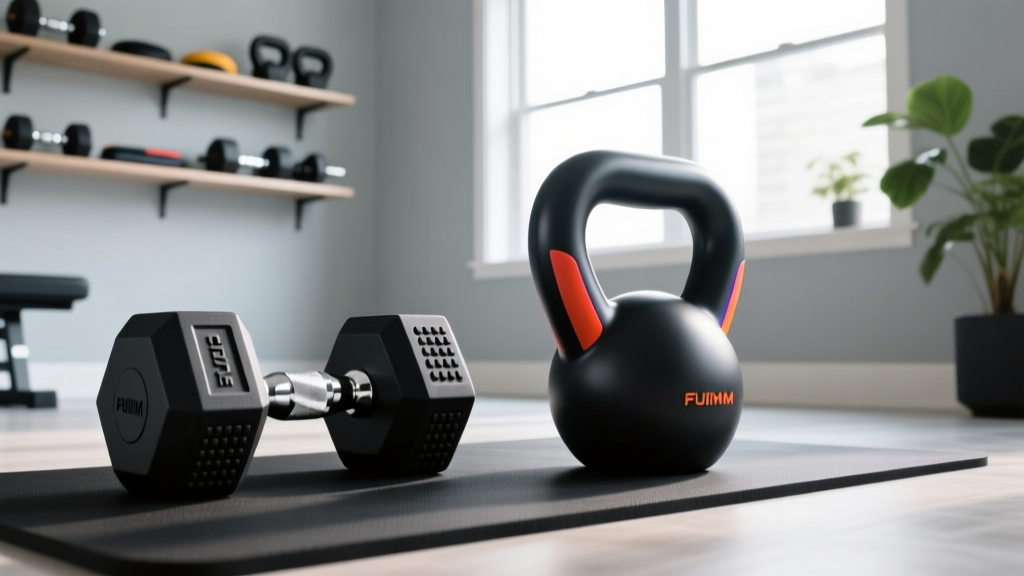
Rubber hex dumbbells, such as the widely used Rogue Rubber Hex or generic commercial variants, are typically manufactured from recycled rubber mixed with polyurethane binders. The hexagonal head design prevents rolling, which is excellent for safely setting down heavy weights between sets of goblet squats.
- Failure Mode 1 (UV Degradation): Prolonged exposure to sunlight breaks down the sulfur bonds in vulcanized rubber, leading to a dry, crumbly texture.
- Failure Mode 2 (Plasticizer Migration): Cheaper rubber compounds 'sweat' oily plasticizers over time, leaving a slippery residue on the handles—a massive hazard when holding heavy dumbbells in the goblet position.
- Failure Mode 3 (Odor Off-gassing): While virgin rubber minimizes this, recycled rubber hex dumbbells can off-gas volatile organic compounds (VOCs) for months if not properly aired out.
Urethane Dumbbells: The Premium Standard
Cast polyurethane (PU) dumbbells, like the REP Fitness UR Series or Eleiko Urethane lines, represent the gold standard for commercial and high-end home gyms. Urethane is a highly resilient elastomer that resists abrasion, moisture, and UV radiation.
- Advantage 1 (Impact Resistance): Urethane absorbs shock exceptionally well, protecting the internal steel core from fracturing during repetitive floor pick-ups required for heavy squat variations.
- Advantage 2 (Environmental Stability): Urethane does not dry out, crack, or sweat plasticizers, maintaining a consistent, safe surface profile for over a decade.
- Drawback (Cost & Chipping): As of 2026, urethane pricing hovers between $2.80 and $4.50 per pound. Furthermore, while urethane resists abrasion, a direct, high-velocity drop onto bare concrete can cause the edges to chip or shear.
Comparative Longevity Matrix
| Feature | Rubber Hex Dumbbells | Cast Urethane Dumbbells |
|---|---|---|
| 2026 Avg. Cost | $1.60 - $2.50 / lb | $2.80 - $4.50 / lb |
| Expected Lifespan | 3 - 7 Years (Climate dependent) | 10 - 15+ Years |
| UV & Moisture Resistance | Low to Moderate | Extremely High |
| Primary Failure Mode | Rubber crumbling, head separation | Edge chipping on bare concrete |
| Best Cleaning Agent | Mild dish soap & water | Diluted Simple Green or disinfectant wipes |
The 2026 Maintenance Protocol for Heavy Squatting
To ensure your gear safely supports the biomechanical demands of dumbbell squats noted by ExRx.net, implement the following maintenance routines. Neglecting these steps will lead to degraded knurling and compromised structural integrity.
Step 1: Handle and Knurling Preservation
The knurling on your dumbbell handles is subjected to acidic sweat (pH 4.5 to 7.0) and chalk buildup. If you are performing high-rep dumbbell split squats, your grip will sweat profusely onto the handle.
- Brush Weekly: Use a stiff nylon brush (or a brass wire brush for heavily soiled zinc knurling) to dislodge chalk and dead skin from the knurling grooves.
- Neutralize Acids: Wipe the handles down with a microfiber cloth lightly dampened with a 50/50 mix of water and white vinegar to neutralize sweat acids. Dry immediately.
- Lubricate Monthly: Apply a few drops of 3-in-One oil or mineral oil to the knurling, working it in with a brush. Never use WD-40, as it attracts dust and creates a slippery film that compromises grip during heavy front squats.
Step 2: Head and Coating Care
CRITICAL WARNING: Never use bleach, ammonia, or harsh degreasers on rubber hex dumbbells. These chemicals strip the protective outer layer of the rubber, accelerating oxidation and causing the heads to become brittle and crack under the dynamic load of squat pick-ups.
For rubber hex dumbbells, clean the heads using a soft bristle brush and a mild solution of dish soap and warm water. Once a year, apply a water-based rubber protectant (like 303 Aerospace Protectant) to stave off UV drying.
For urethane dumbbells, maintenance is remarkably low-effort. A simple wipe-down with a standard gym disinfectant wipe or a diluted all-purpose cleaner is sufficient. Urethane is non-porous, meaning it will not harbor bacteria or absorb sweat odors.
Edge Cases and Structural Failure Modes
Even with meticulous care, equipment subjected to heavy squatting routines will eventually show signs of fatigue. Recognizing these edge cases prevents catastrophic failures mid-set.
'The most common cause of dumbbell head separation isn't dropping the weight; it's the lateral torque applied when an athlete uses the dumbbell to push off their knee during a heavy split squat or lunge. This uneven leverage stresses the internal steel shaft and the adhesive bonding the head to the handle.' — Commercial Gym Equipment Technician Insight
When to Retire Your Dumbbells
- Visible Shaft Rust: If rust appears at the seam where the handle meets the rubber/urethane head, moisture has penetrated the core. The structural integrity of the press-fit or welded joint is compromised. Retire immediately.
- Wobble or Rattle: A rattling sound indicates the internal steel core has detached from the outer casing. This shifts the center of gravity, making balanced goblet squats dangerous.
- Severe Knurling Wear: If the center of the handle is completely smooth while the edges remain sharp, the dumbbell will slip during heavy holds. It is time to replace the pair.
Frequently Asked Questions
Can I drop urethane dumbbells after a heavy set of squats?
Urethane is highly impact-resistant, but it is not indestructible. Dropping them onto commercial rubber horse-stall mats or dedicated drop pads is perfectly fine. However, dropping 100 lb urethane dumbbells directly onto bare concrete or standard ceramic tile will cause the edges to chip and the internal shaft to bend over time.
Why do my rubber hex dumbbells feel slippery during goblet squats?
This is likely due to plasticizer migration or the buildup of skin oils and lotion. Wash the handles with a degreasing dish soap (like Dawn) and a stiff brush. If the rubber itself feels oily and wiping it down doesn't help, the chemical compound is breaking down, and the dumbbells should be replaced for safety.
Are hex-shaped dumbbells better for squats than round ones?
Hexagonal dumbbells are superior for exercises where you need to set the weight down securely between sets or rest them on your shoulders for front squats, as they will not roll away. However, for movements like dumbbell Romanian deadlifts (RDLs) or renegade rows, the flat edges of hex dumbbells can create uncomfortable pressure points against the legs or floor compared to round urethane dumbbells.
More gear to consider
All reviews
Olympic vs Standard Weight Plates: Ditching Barbie Dumbbells
Cast Iron vs Competition Kettlebells & Dumbbell Exercises for Back of Arms

Dumbbell Rows vs Barbell Rows: 2026 Dumbbell Rack & Storage Guide
Barbell Collar Types Compared: Setup for Squats & Dumbbell Snatch
Power Rack vs Squat Rack vs Stand: Lower Back Workouts with Dumbbells
