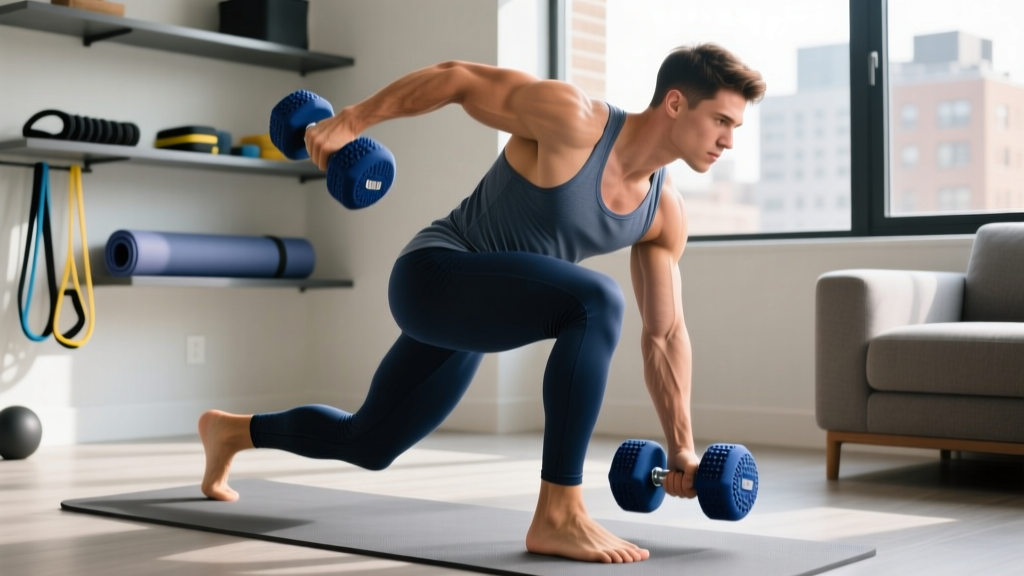
Setup Guide: Bent Over Dumbbell Raise & Olympic Barbell Knurling
Master your home gym pull zone. We walk through the bent over dumbbell raise station and our Olympic barbell buying guide for weight and knurling.

Designing the Ultimate Posterior Chain Station
Building a dedicated 'pull zone' in your home gym requires a strategic approach to equipment layout and biomechanics. A complete back and rear-deltoid workout typically bridges the gap between isolated dumbbell work and heavy, compound barbell movements. In this complete setup and installation walkthrough, we will guide you through anchoring your heavy equipment, optimizing your isolation stations, and selecting the perfect bar for the job.
Whether you are dialing in your form for the bent over dumbbell raise or loading up for heavy Pendlay rows, the foundation of your pull zone dictates your performance and safety. Let's break down the installation and equipment selection process for 2026.
Step 1: Setting Up the Bent Over Dumbbell Raise Station
The bent over dumbbell raise is a staple for targeting the posterior deltoids, rhomboids, and middle trapezius. However, performing this movement freestanding often leads to lower back fatigue, which can compromise your heavy barbell work later in the session. The solution is a dedicated chest-supported station.
Bench Angles and Dumbbell Selection
To set up this station, you need a highly adjustable utility bench. We recommend the Rep Fitness AB-5200 2.0, which offers a 30-degree incline setting—the exact angle required to align the torso optimally for rear-delt isolation without over-engaging the lats.
- Positioning: Place the bench facing the uprights of your power rack or squat stand. This allows you to safely grab your dumbbells from the rack's pegs without awkwardly bending over to the floor.
- Dumbbell Type: For this isolation movement, use urethane-coated hex dumbbells (such as the Rogue Urethane Dumbbells, priced around $3.50/lb in 2026). The urethane deadens the bounce if you drop them against the rack, and the hex shape prevents them from rolling off the bench's seat pad between sets.
Step 2: Anchoring the Rack for Heavy Pulls
Before we discuss the barbell, we must ensure your rack is installed to handle the aggressive lateral forces generated by heavy barbell rows and deadlifts.
Concrete vs. Wood Subfloor Installation
If you are installing a rack like the Rogue SML-2C Monster Lite Squat Stand, the anchoring method depends on your subfloor:
- Concrete Slab: Use 3/8' x 3' zinc-plated wedge anchors. Drill a 3/8' hole using a hammer drill, vacuum out the concrete dust (crucial for holding power), and torque the nuts to 30 ft-lbs.
- Wood Joists: Never bolt directly into OSB or plywood subflooring. You must locate the structural floor joists and use 3/8' x 4' structural lag screws. Place a 3/4' horse stall mat between the rack base and the floor to absorb vibration.
Step 3: Olympic Barbell Buying Guide — Weight and Knurling
Once your rack is secured, the most critical piece of equipment for your pull zone is the Olympic barbell. When executing heavy bent-over barbell rows, the knurling pattern and weight tolerance of the bar will dictate whether the bar slips from your sweat-slicked hands or stays locked in place. Here is our 2026 buying guide focusing on weight tolerances and knurl profiles.
Decoding Knurling Patterns for Rowing
Knurling is the machined pattern on the steel shaft designed to increase friction. For pulling movements, you need a balance between 'bite' and 'tear'. According to extensive testing by the Garage Gym Labs Best Barbells Guide, knurling generally falls into three categories:
| Barbell Model (2026) | Knurl Type | Tensile Strength | Best Application | Approx. Price |
|---|---|---|---|---|
| Rogue Stainless Ohio Power Bar | Volcano | 205k PSI | Heavy Rows & Powerlifting | $425 |
| Kabuki New Generation Power Bar | Hill | 200k PSI | High-Rep Pulls & Hypertrophy | $329 |
| Eleiko Olympic WL Bar | Mountain | 215k PSI | Aggressive Grip & Snatches | $1,100 |
Volcano vs. Mountain vs. Hill: Which Do You Need?
- Volcano Knurl (The Gold Standard for Rows): Features sharp peaks surrounded by deep valleys. It provides exceptional grip without tearing your calluses during high-volume bent-over rows. The Rogue Stainless Steel Ohio Power Bar is the undisputed king of this profile.
- Mountain Knurl (Too Aggressive?): Sharp, prominent peaks with shallow valleys. While excellent for Olympic weightlifting where the bar must not slip during a snatch, it will shred your hands during heavy barbell rows. Avoid this for dedicated back days.
- Hill Knurl (The Comfort Option): Rounded peaks with shallow valleys. Found on the Kabuki Strength New Generation Power Bar, this is comfortable for high-rep hypertrophy work but may slip during heavy, chalk-free Pendlay rows.
Weight Tolerances and Tensile Strength
When buying an Olympic barbell, always check the tensile strength, measured in PSI (pounds per square inch). The National Strength and Conditioning Association (NSCA) emphasizes that equipment integrity is paramount for heavy compound lifts. A bar with a tensile strength below 165k PSI will permanently bend (whip) under heavy deadlifts or rows. For a dedicated pull zone, demand a minimum of 190k PSI, with 205k PSI being the ideal sweet spot for a rigid, reliable pull.
Step 4: Integrating Plate Storage and Floor Protection
A complete installation walkthrough isn't finished until the workflow is optimized. Dropping heavy iron plates damages both the equipment and your subfloor.
- Protection: Install 3/4' thick vulcanized rubber horse stall mats. Cut them precisely around the base of your squat stands using a utility knife and a straight edge.
- Storage Flow: Mount a vertical plate tree directly adjacent to your barbell storage. When transitioning from the bent over dumbbell raise to barbell rows, you want your 45lb and 25lb bumper plates within arm's reach of the barbell, minimizing walking distance and keeping your heart rate focused on the working sets.
FAQ: Bridging Dumbbell and Barbell Back Workouts
Should I do the bent over dumbbell raise before or after barbell rows?
For most lifters, heavy compound barbell rows should be performed first when your central nervous system is fresh. Use the chest-supported bent over dumbbell raise as an accessory movement at the end of the workout to safely exhaust the rear delts without placing additional shear stress on your lumbar spine.
Do I need a center knurl for barbell rows?
A center knurl is primarily designed to grip the back of your shirt during back squats. For barbell rows, it is largely irrelevant. However, most high-quality 205k PSI power bars include a mild center knurl by default, which will not cause discomfort during rowing movements.
More gear to consider
All reviews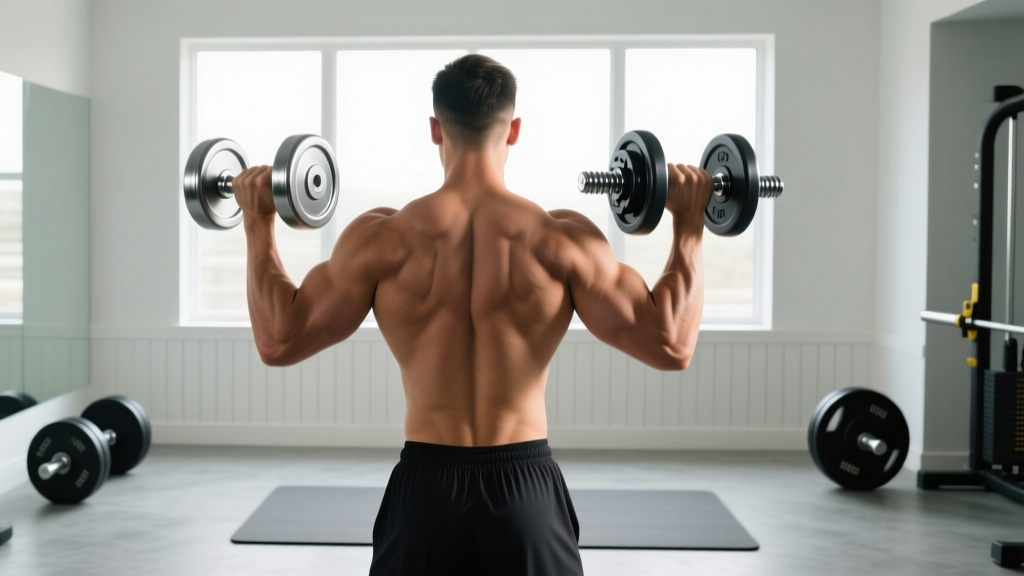
Two Hand Single Dumbbell Curl: Standard vs Olympic Plate Mistakes
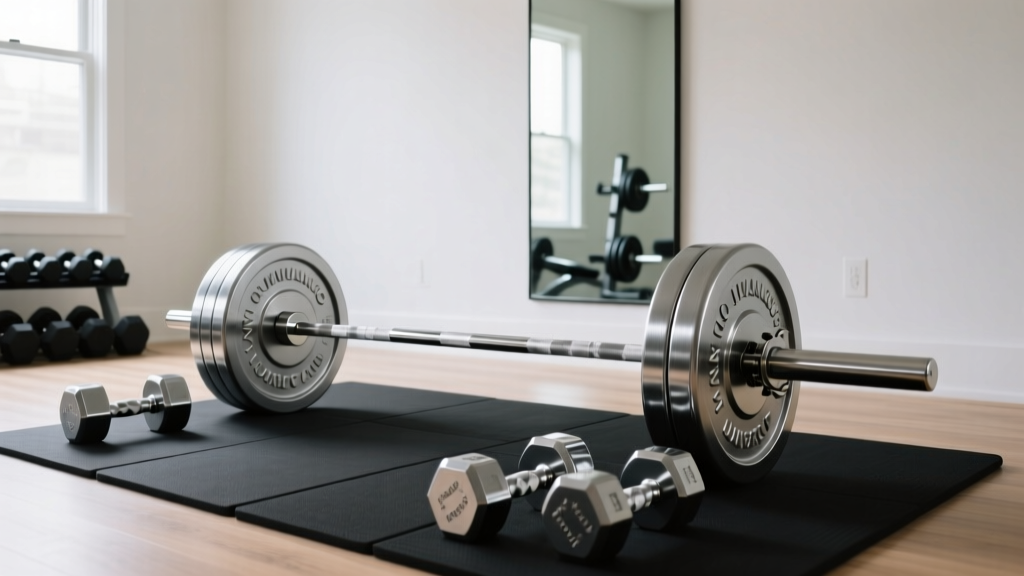
Olympic Barbell Knurling & Chest Day Dumbbells Setup

Rubber Hex vs Urethane: Space & Dumbbell Overhead Press GIF Guide
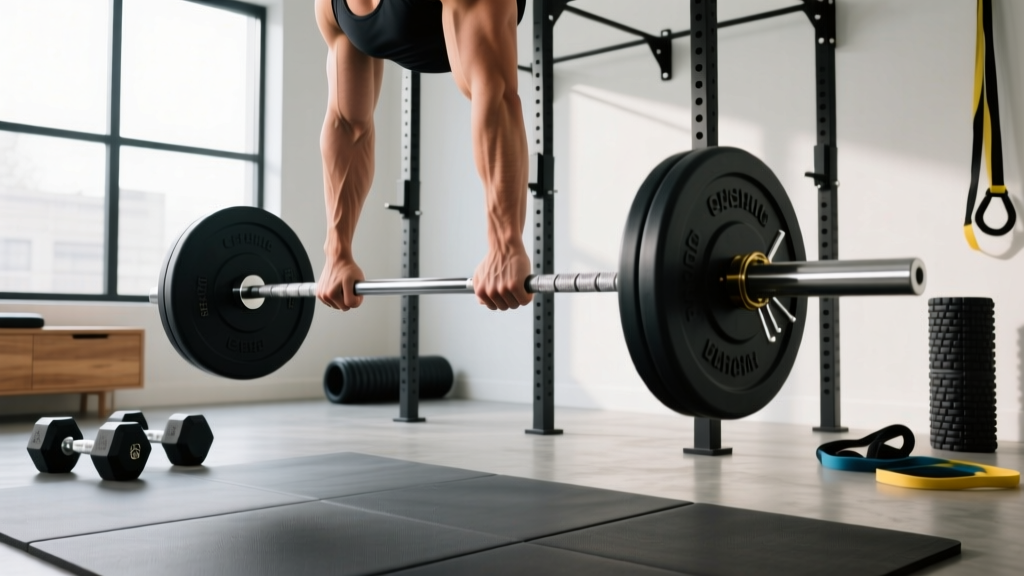
Beyond Seated Dumbbell Workouts: Barbell Weight & Knurl Guide

Dumbbell Suitcase Deadlift Guide & Top Adjustable Dumbbells