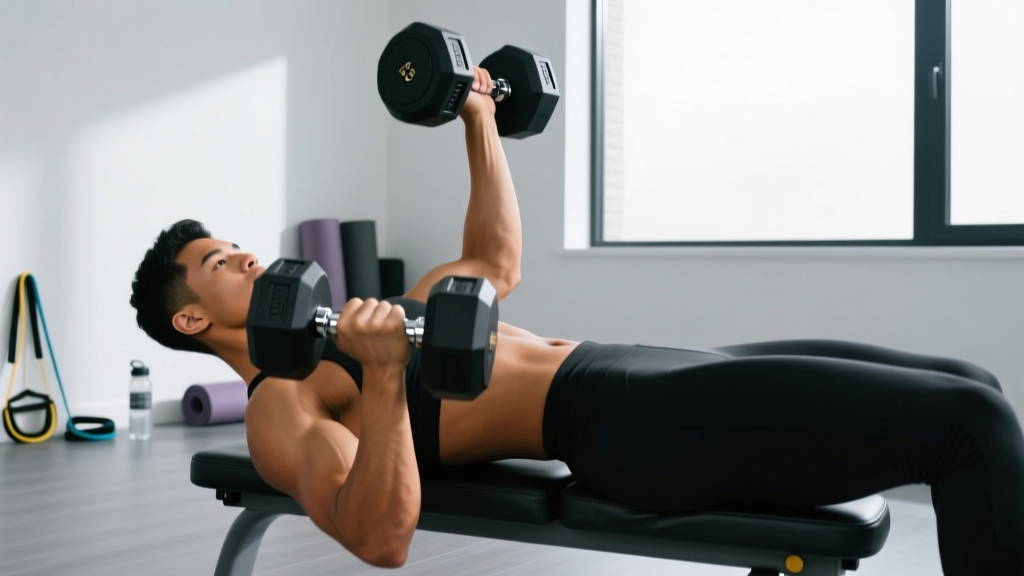
Olympic vs Standard Plates: Seated Chest Fly with Dumbbells Setup
Compare Olympic vs standard weight plates for your 2026 home gym. Plus, optimize your seated chest fly with dumbbells using the right loading strategies.

The 50mm vs 25mm Divide: Understanding Hub Architecture
When outfitting a home gym or upgrading a commercial facility in 2026, the foundation of your loading system hinges on a single, non-negotiable measurement: the center hole diameter of your weight plates. The fitness industry is split between two primary ecosystems—Olympic and Standard plates. While they may look visually similar from a distance, their engineering tolerances, load capacities, and biomechanical applications are vastly different.
Olympic plates feature a 50mm (approximately 2-inch) center hole, designed to mate with the thick, rotating sleeves of Olympic barbells and heavy-duty plate-loaded machines. According to BarBend's comprehensive breakdown on weight plate standards, the actual hub diameter of a high-quality Olympic plate is often machined to 50.4mm to allow for a smooth, frictionless glide onto a 50mm barbell sleeve without binding. Standard plates, conversely, utilize a 25.4mm (1-inch) hole meant for lighter, fixed-diameter dumbbell handles and entry-level barbells.
Pro-Tip: The Caliper TestNever trust the stamped weight on a cheap import plate. Use a digital caliper to measure the hub. If your standard plate measures 26mm or wider, it will rattle dangerously on a 1-inch dumbbell handle, altering the center of gravity during isolation movements.
2026 Market Matrix: Olympic vs Standard Plates
To make an informed purchasing decision, you must look beyond the initial price tag and evaluate the long-term utility, safety, and resale value of the iron you bring into your space. The following comparison matrix highlights the critical divergences between the two systems.
| Feature | Olympic (2-Inch) | Standard (1-Inch) |
|---|---|---|
| Hub Diameter | 50.0mm - 50.4mm | 25.0mm - 25.4mm |
| Max Safe Load (Barbell) | 800 - 1,500+ lbs | 150 - 250 lbs (Yield risk) |
| Avg. Price Per lb (2026) | $1.50 - $3.50 (Urethane) | $0.80 - $1.20 (Cast Iron) |
| Calibration Tolerance | +/- 10g (Calibrated) | +/- 5% to 10% variance |
| Resale Value | High (Universal demand) | Low (Niche/Budget market) |
Material Science: Cast Iron, Urethane, and Bumper Edge Cases
The material composition of your plates dictates their lifespan, acoustic footprint, and floor protection. In 2026, virgin urethane remains the gold standard for indoor gym flooring protection. Unlike recycled rubber, which off-gasses volatile organic compounds (VOCs) and degrades under UV exposure, high-grade urethane (such as the formulations used in Rogue Fitness's Echo Bumper specifications and their machined iron lines) is odorless and highly resistant to chipping.
The Bumper Plate Necessity
If your programming includes Olympic weightlifting, CrossFit, or any high-velocity eccentric drops, standard cast iron is entirely obsolete. Bumper plates feature a solid steel 50mm hub encased in dense rubber, designed to absorb the kinetic energy of a dropped barbell. Standard plates lack this steel insert; dropping a standard plate-loaded barbell will almost certainly result in the cast iron hub shattering or the 1-inch barbell bending permanently.
Heavy Loading vs Isolation: The Seated Chest Fly with Dumbbells
A complete strength and hypertrophy program requires both heavy, systemic loading and precise, localized isolation. Your Olympic plates are the engine for your compound movements—squats, deadlifts, and plate-loaded machine presses. However, when targeting the pectoralis major through a deep, stretch-mediated range of motion, lifters must transition to free-weight isolation, specifically the seated chest fly with dumbbells.
When performing a seated chest fly with dumbbells, the arc of motion places immense sheer force on the anterior deltoid and the sternocostal head of the pec at the bottom of the movement. This exercise demands absolute control, precise micro-loading, and a compact weight profile. Using standard 1-inch plate-loaded dumbbell handles for this specific exercise is a critical biomechanical error. The bulky star-lock collars required to secure 1-inch plates alter the grip width, force the wrists into slight ulnar deviation, and compromise the natural path of the fly.
- The Micro-Loading Problem: Hypertrophy in the chest fly requires incremental jumps (e.g., moving from 40 lbs to 45 lbs per hand). Standard plate sets often jump in 2.5 lb or 5 lb increments per side, making smooth progressive overload difficult.
- The Modern Solution: Pair your Olympic plate foundation with high-end adjustable dumbbells (like the Nuobell 80s or PowerBlock Pro EXP). These tools eliminate the need for standard 1-inch handles entirely, allowing you to execute the seated chest fly with dumbbells safely, ensuring the weight profile remains compact and the center of gravity aligns perfectly with the wrist joint.
Expert Insight: "The seated chest fly with dumbbells is highly sensitive to momentum. If you are using cheap standard plate-loaded handles, the rattling of loose 1-inch plates and the wide collar footprint will disrupt your mind-muscle connection and limit the deep eccentric stretch required for optimal chest hypertrophy."
Critical Failure Modes: When Standard Gear Breaks
Understanding how equipment fails is just as important as knowing how it performs. If you are considering standard plates to save money, you must be aware of the structural limitations inherent to the 1-inch ecosystem.
- Barbell Yielding: Standard 1-inch barbells are typically made from lower-grade steel with a lower yield strength. Loading a standard barbell past 200 lbs can cause the shaft to bend permanently, ruining the bar and creating a dangerous rolling hazard on the floor.
- Hub Fracturing: Because standard cast iron plates lack a reinforced steel inner ring, a slight drop onto a concrete floor can cause micro-fractures around the 1-inch hub. Over time, these fractures propagate, leading to catastrophic failure where the plate cracks in half while being loaded.
- Sleeve Galling: Standard dumbbell handles rarely feature rotating sleeves. When performing movements that require wrist rotation (like dumbbell curls or presses), the friction between the iron plate and the fixed steel handle causes galling, rapidly wearing down the metal threads and causing collars to strip.
The 2026 Buying Framework: Which System Fits Your Rack?
Ultimately, the choice between Olympic and standard plates is a decision about your long-term training trajectory. Standard plates are relegated to a very narrow use case in modern fitness: ultra-budget starter kits, light rehabilitation setups, or maintaining legacy equipment that cannot be retrofitted.
For 95% of lifters building a home gym in 2026, Olympic plates are the only logical investment. The universal compatibility with commercial-grade power racks, cable crossovers, and plate-loaded isolation machines ensures your equipment will never bottleneck your progress. Furthermore, if you ever decide to upgrade or sell your gear, Olympic plates hold their value remarkably well on the secondary market, often selling for 70-80% of their retail price.
Build your heavy foundation with calibrated Olympic iron or urethane bumpers, and complement it with a premium set of adjustable dumbbells to perfect your seated chest fly with dumbbells and other precision isolation movements. This hybrid approach guarantees safety, biomechanical efficiency, and limitless progressive overload for years to come.
More gear to consider
All reviews
Beyond the Dumbbell Leg Routine: Olympic Barbell Knurling Compared

Space-Saving Kettlebells & Alternating Dumbbell Rows Gym Layouts

Olympic Barbell Buying Guide: Weight, Knurling & Dumbbell V-Ups Setup

Barbell Collar Types Compared: Heavy Lifts & Ab Dumbbell Workouts

Loadable Dumbbell Care: Surviving the Leg Press with Dumbbells