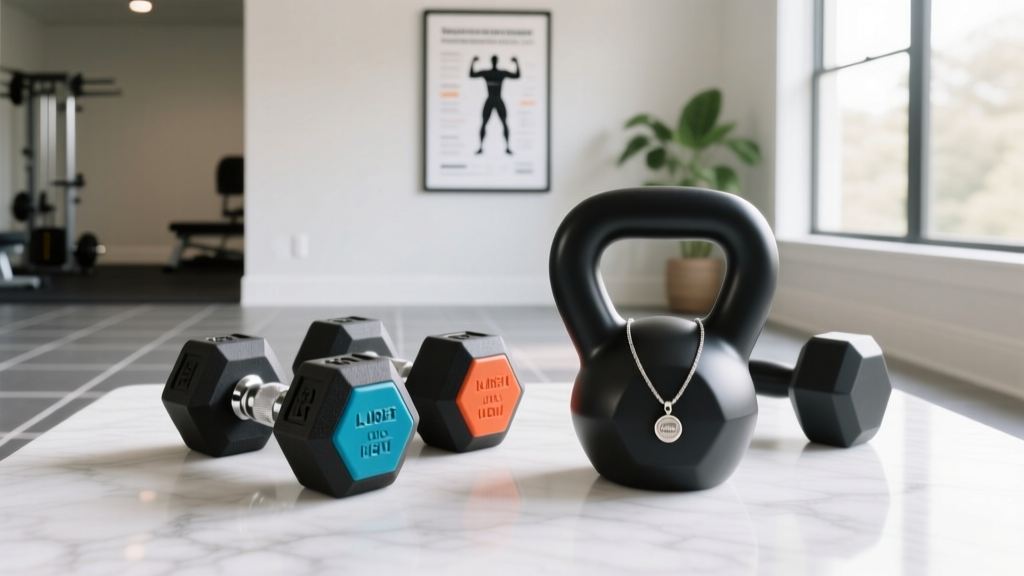
Rubber Hex vs Urethane Dumbbells: Budget & Dumbbell Pendant Necklace
Compare rubber hex vs urethane dumbbells with a 2026 budget breakdown. Learn true cost-per-pound and why to skip the dumbbell pendant necklace trend.

The 2026 Home Gym Budget: Function Over Aesthetics
Building a home gym in 2026 presents a unique financial paradox for fitness enthusiasts. Driven by social media influencers and boutique fitness brands, there is a growing trend of allocating significant portions of a gym budget to lifestyle aesthetics. It is not uncommon to see lifters dropping over $100 on a gold or sterling silver dumbbell pendant necklace to signal their dedication to the iron game, while simultaneously skimping on the actual iron they lift.
When it comes to free weights, the most critical budgetary decision you will make is choosing between rubber hex dumbbells and premium urethane dumbbells. This choice dictates not only your immediate out-of-pocket costs but also the long-term depreciation, safety, and air quality of your training space. In this comprehensive value analysis, we break down the true cost of ownership for both materials and explain why prioritizing functional equipment over fitness jewelry is the ultimate marker of a serious lifter.
The Opportunity Cost of the Dumbbell Pendant Necklace
A high-quality sterling silver dumbbell pendant necklace from a fitness jeweler averages $85 to $140 in 2026. While it makes for a fun accessory, it offers zero return on investment for your training. That same $140 is exactly the price difference required to upgrade your most-used pair of 35 lb dumbbells from cheap, off-gassing rubber hex to commercial-grade, odorless urethane. Always invest in the tools that build the muscle before you buy the jewelry that advertises it.
Material Science: Rubber Hex vs. Urethane
To understand the pricing disparity, you must understand the manufacturing processes behind these two dominant dumbbell styles. According to equipment testing data from Garage Gym Reviews, the material composition directly correlates to lifespan, shock absorption, and environmental safety.
Rubber Hex Dumbbells: The Budget Entry Point
Rubber hex dumbbells, such as the widely distributed CAP Barbell A1 series, are typically manufactured from recycled tire rubber mixed with industrial binding agents. The hexagonal head design is highly functional for preventing rolling and enabling floor-based exercises like renegade rows. However, recycled rubber is inherently porous and prone to volatile organic compound (VOC) off-gassing, which can cause headaches in poorly ventilated garage gyms.
Urethane Dumbbells: The Commercial Standard
Urethane (polyurethane) is a premium elastomer that is significantly more expensive to produce but offers unparalleled durability. Brands like Rogue Fitness and Iron Grip utilize virgin urethane that is completely odorless, UV-resistant, and impervious to sweat and cleaning chemicals. Urethane is typically poured into molds at a specific Shore A durometer rating (usually 85A to 90A), providing a dense, firm exterior that absorbs drop impact without permanently deforming or chipping.
500 lb Set Budget Breakdown (5 to 50 lbs)
Let us look at the hard numbers for a standard 500 lb dumbbell set (10 pairs, ranging from 5 lbs to 50 lbs in 5 lb increments). Pricing reflects average 2026 market rates for new, reputable brands.
| Metric | Rubber Hex (e.g., CAP, Yes4All) | Urethane (e.g., Rogue, Rep, Iron Grip) |
|---|---|---|
| Average Cost Per Pound | $1.55 - $1.85 / lb | $3.50 - $4.85 / lb |
| Total Set Cost (500 lbs) | $775 - $925 | $1,750 - $2,425 |
| Expected Lifespan | 3 - 5 Years (Heavy Use) | 15+ Years / Lifetime |
| Odor / Off-Gassing | High (Requires weeks of airing out) | None (Zero VOCs) |
| Drop Durability | Low (Corners chip and tear) | High (Absorbs and rebounds) |
| Handle Attachment | Press-fit / Spot Welded | Friction Welded / Solid Steel Core |
Failure Modes: When Cheap Gear Costs You More
The initial savings of rubber hex dumbbells often evaporate when you factor in their specific failure modes. Understanding how equipment fails is a cornerstone of smart gym budgeting.
- Corner Chipping and Concrete Damage: The sharp corners of hex dumbbells act as stress concentrators. When dropped from shoulder height, the force is not distributed evenly. The rubber tears away from the internal steel core, exposing sharp metal edges that will aggressively chip and crack rubber flooring or concrete slabs.
- UV Degradation and Drying: If your home gym receives direct sunlight, rubber hex dumbbells will dry rot within 24 to 36 months. The rubber turns gray, becomes brittle, and begins flaking black dust onto your floor and clothes.
- Handle Snap Hazards: Budget rubber hex dumbbells often use thin, press-fit steel handles with minimal internal knurling to hold the head in place. Over time, the repetitive impact of dropping the weights loosens the heads. A loose dumbbell head alters the center of gravity during a pressing movement, posing a severe wrist and face injury risk.
The Hidden ROI: Resale Value and Depreciation
One of the most overlooked aspects of fitness equipment budgeting is the secondary market. Fitness gear depreciates much like vehicles, but the rate of depreciation is entirely dependent on the material.
Urethane dumbbells hold an astonishing 40% to 60% of their retail value on secondary markets like Facebook Marketplace or Craigslist, even after five years of use. Rubber hex dumbbells, conversely, hold virtually 0% resale value. The secondary market is flooded with used rubber dumbbells that smell terrible and look beat up, forcing sellers to give them away for pennies on the dollar just to clear space.
When you calculate the true cost of ownership, a $2,000 urethane set that you can eventually sell for $1,000 costs you $1,000 over a decade. A $900 rubber set that you eventually throw in the dumpster or give away costs you the full $900, plus the hidden costs of replacing damaged flooring and dealing with poor air quality.
Strategic Budgeting: The Hybrid Approach
If a full $2,400 urethane set is outside your current financial means, do not blow your budget on a dumbbell pendant necklace or aesthetic gym decor. Instead, use the Hybrid Allocation Strategy:
- Buy Urethane for the Heavy Hitters: Purchase urethane dumbbells for the weights you use most frequently and drop most often (typically 25 lbs through 50 lbs). This protects your floors and handles the highest impact.
- Buy Rubber Hex for the Isolators: Purchase rubber hex dumbbells for lighter, isolation-based movements (5 lbs through 20 lbs). These weights are rarely dropped, minimizing the risk of corner chipping and handle snapping, while keeping your upfront capital expenditure low.
Frequently Asked Questions
Can I just buy a dumbbell pendant necklace instead of upgrading my weights?
From a purely financial and training perspective, no. A dumbbell pendant necklace is a lifestyle accessory that provides no biomechanical benefit. Upgrading your physical dumbbells improves grip ergonomics, eliminates toxic odors, and prevents floor damage, directly enhancing your training environment and safety.
Do urethane dumbbells ever need to be replaced?
In a standard home or boutique gym environment, high-quality urethane dumbbells will easily outlast the owner. They do not dry rot, rust, or lose their structural integrity under normal use. They are effectively a one-time lifetime purchase.
Why do commercial gyms use urethane instead of rubber hex?
Commercial gyms prioritize member retention and facility maintenance. Urethane eliminates the foul odor that drives members away, prevents the black dust that ruins gym floors, and withstands the constant dropping typical of a busy commercial environment without requiring frequent replacement.
More gear to consider
All reviews
Pepin Fast Series Dumbbells vs Olympic Barbell Weight & Knurl Guide

Barbell Collar Setup: From Single Dumbbell Lunges to Heavy Squats

EZ Curl Bar vs Straight Bar: Biomechanics & Dumbbell Photo Form Tips

Market Trends: EZ Bar vs Straight Bar & Alternating Dumbbell Press

Single Arm Dumbbell Row Exercise Errors & Barbell Knurling Guide
