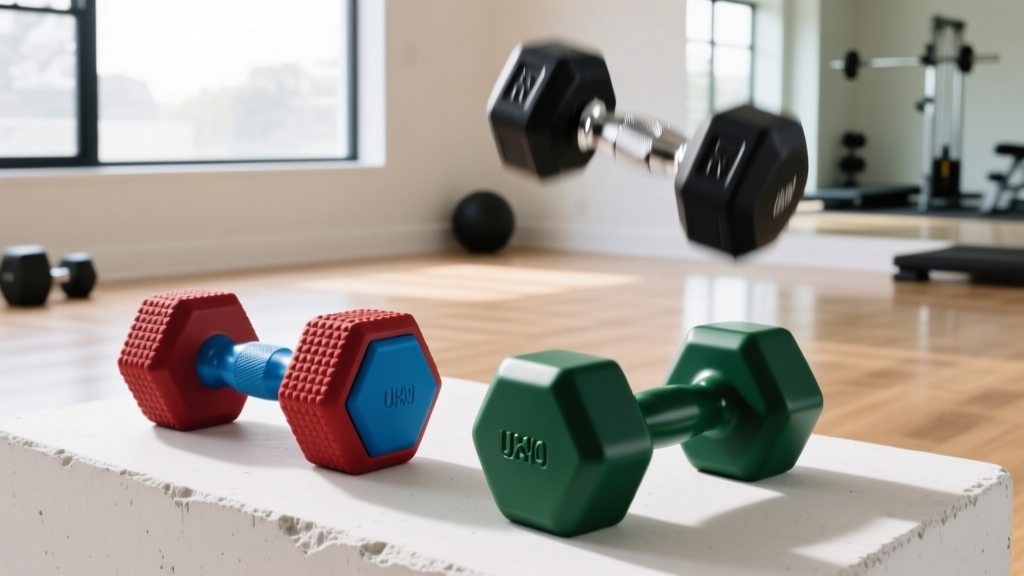
Rubber Hex vs Urethane Dumbbells: Dumbbell Pullover Care Guide
Compare rubber hex vs urethane dumbbells for longevity. Learn maintenance tips to protect your gear and perfect your dumbbell pullover grip and form.

The Biomechanics of the Dumbbell Pullover: Why Equipment Integrity Matters
The dumbbell pullover is a cornerstone exercise for thoracic expansion, latissimus dorsi engagement, and serratus anterior activation. According to the biomechanical breakdowns provided by ExRx, the movement requires a secure, unwavering grip as the load is extended far beyond the body's center of gravity. Whether you are gripping a single heavy dumbbell by the chrome handle or cupping the inner bell heads for a heavier variation, the physical integrity of your dumbbell's coating and handle directly impacts your safety and performance.
When debating the merits of a rubber hex dumbbell vs urethane dumbbell setups, most lifters focus solely on drop durability and floor protection. However, from a maintenance and longevity perspective, the two materials age, degrade, and respond to environmental stressors in vastly different ways. A degrading rubber coating leaves a chalky, slippery residue that can compromise your grip during the eccentric stretch of a pullover, while neglected urethane can harbor micro-abrasions that catch on skin or gym mats. In this 2026 guide, we break down the exact maintenance protocols required to maximize the lifespan of both materials.
Material Matrix: Rubber Hex vs. Urethane Coatings
Before diving into the cleaning regimens, it is crucial to understand the chemical and physical differences between standard rubber and premium urethane. The table below outlines the core longevity metrics for both materials based on current industry standards.
| Feature | Rubber Hex (Recycled/Virgin Blend) | Urethane (CPU/TPU) |
|---|---|---|
| Average Cost (2026) | $1.60 - $2.20 / lb | $4.50 - $8.00+ / lb |
| Shore A Hardness | 70A - 80A (Softer) | 85A - 95A (Denser) |
| UV & Ozone Resistance | Poor (Prone to dry rot) | Excellent (Highly stable) |
| Odor & VOC Off-gassing | High (Requires initial curing) | None (Odorless) |
| Maintenance Frequency | Monthly (Conditioning required) | Bi-weekly (Simple wiping) |
Rubber Hex Dumbbell Longevity Protocol
Rubber hex dumbbells, such as the widely used CAP Barbell or Rep Fitness Rubber Hex lines, are the workhorses of commercial and home gyms. However, rubber is a porous, organic-based polymer that is highly susceptible to oxidation, UV degradation, and temperature fluctuations. When rubber oxidizes, it releases a chalky, carbon-like residue. If this residue transfers to your hands during a dumbbell pullover, your grip security plummets precisely when your lats are under maximum stretch.
Step-by-Step Rubber Restoration and Care
- The Initial Degrease: Brand new rubber hex dumbbells often arrive coated in a factory mold-release agent. Wash them with a 10:1 ratio of warm water to mild dish soap (like Dawn). Avoid harsh degreasers like Simple Green, which strip the natural moisture from the rubber and accelerate dry rot.
- Microfiber Agitation: Use a stiff-bristled nylon brush or a textured microfiber cloth to work the soapy water into the hex crevices. Rinse with a damp cloth—never submerge the dumbbells, as water can seep into the handle housing and cause internal rust.
- UV & Ozone Shielding: Once completely dry, apply a silicone-based protectant such as 303 Aerospace Protectant. Spray it onto a cloth first, then rub it into the rubber. This creates a synthetic barrier against UV rays and ozone, preventing the chalky oxidation that ruins grip integrity.
- Curing Time: Allow the protectant to cure for 24 hours before performing heavy, grip-dependent exercises like pullovers or Romanian deadlifts.
Isopropyl alcohol and bleach-based gym wipes will instantly break down the sulfur bonds in vulcanized rubber. Using these on your rubber hex dumbbells will cause immediate surface cracking and permanent structural degradation.
Urethane Dumbbell Care: Protecting Your Premium Investment
Urethane dumbbells represent the pinnacle of free weight manufacturing. As detailed in comprehensive equipment reviews by BarBend, premium cast polyurethane (CPU) does not oxidize, off-gas, or degrade under UV exposure. Brands like Rogue Fitness and Eleiko utilize CPU formulations with a Shore A hardness rating of 85A to 90A, making them incredibly dense and resistant to tearing. However, urethane is not invincible; it is highly susceptible to oil-based contaminants and localized heat.
The Urethane Maintenance Routine
- Daily Wipe-Down: Because urethane is non-porous, sweat and skin oils sit on the surface. Wipe the bells down after every session with a water-dampened microfiber cloth or a pH-neutral, quaternary ammonium-based gym wipe.
- Avoid Petroleum Distillates: Never use WD-40, mineral spirits, or oil-based furniture polishes on urethane. Petroleum distillates cause a chemical reaction that softens the polyurethane matrix, leading to permanent surface stickiness and structural weakening.
- Temperature Control: While urethane handles cold better than rubber, leaving 100lb urethane dumbbells in a freezing garage gym and then immediately dropping them on a hard surface can cause micro-fractures in the outer shell. Allow them to reach room temperature before heavy drop-sets.
"Urethane is practically maintenance-free compared to rubber, but its Achilles' heel is chemical exposure. Keep petroleum and harsh solvents away, and a set of CPU urethane dumbbells will easily outlast the lifter."
Handle and Knurling Maintenance: The Pullover Grip Factor
When discussing the rubber hex dumbbell vs urethane dumbbell debate, the coating gets all the attention, but the steel handle is where the lifter actually interfaces with the tool. The dumbbell pullover generates significant forearm fatigue and palmar sweating. This sweat, rich in sodium and urea, drips directly onto the knurling and the collar joints.
Preventing Knurling Corrosion
Most mid-tier rubber hex dumbbells feature zinc-plated or black oxide handles, while premium urethane sets utilize hard chrome or stainless steel. Zinc and black oxide are highly porous and will rust within weeks if exposed to untreated sweat.
- Post-Workout Brushing: Use a stiff brass wire brush to sweep out dried sweat and dead skin from the knurling valleys. Do this immediately after your workout while the moisture is still manageable.
- Targeted Lubrication: Once a month, apply a light coat of 3-in-One Multi-Purpose Oil to the handle. Let it sit for 10 minutes, then wipe it completely dry with a clean rag. This displaces microscopic moisture without leaving the handle slippery for your next pullover session.
- Collar Joint Inspection: The joint where the handle meets the bell head is a prime failure point. If you notice any wobble or hear a clicking sound when rotating the dumbbell, the internal retaining pin or weld is failing. Stop using the dumbbell immediately to prevent a catastrophic detachment during an overhead or pullover movement.
Real-World Failure Modes and Troubleshooting
Even with meticulous care, equipment ages. Here is how to identify and troubleshoot the most common failure modes specific to these materials, ensuring your home gym remains safe and functional.
1. The "Sticky" Urethane Syndrome
The Problem: Your urethane dumbbells feel tacky or sticky to the touch, leaving residue on your hands.
The Cause: Exposure to aerosolized pre-workout supplements, tanning oils, or improper cleaning solvents has broken down the top layer of the polyurethane.
The Fix: Wipe the bells down with a 50/50 mixture of distilled white vinegar and water to neutralize the alkaline contaminants, followed by a pure water rinse. If the stickiness persists, the degradation is permanent, and the bells must be retired or re-coated by a specialist.
2. Rubber Hex Edge Tearing
The Problem: The sharp corners of the hexagonal rubber heads are peeling or tearing away from the steel core.
The Cause: Repeated dropping on concrete or thin mats, combined with the natural hardening of the rubber over time (loss of plasticizers).
The Fix: You cannot re-bond torn rubber. To prevent further tearing and protect your flooring, apply a high-quality, 3/4-inch thick horse stall mat beneath your lifting area. For cosmetic and safety edge-sealing, a thin bead of flexible polyurethane caulk can prevent the tear from expanding, though it will not restore structural integrity.
Summary: Which Should Anchor Your Home Gym?
Choosing between a rubber hex dumbbell vs urethane dumbbell setup ultimately comes down to your budget, your environment, and your willingness to perform routine maintenance. If you are outfitting a commercial space or a climate-controlled home gym and have the capital, Rep Fitness and other industry leaders universally recommend urethane for its zero-odor profile, extreme longevity, and minimal upkeep. It provides a consistently clean, secure surface for demanding, grip-heavy movements like the dumbbell pullover.
However, if you are building a garage gym on a budget, rubber hex dumbbells remain a highly viable option. By committing to a strict monthly conditioning routine with silicone protectants and avoiding harsh chemical cleaners, you can easily extend the life of a rubber hex set by 5 to 7 years. Regardless of the material you choose, respecting the maintenance protocols of your free weights ensures that when you reach for that heavy dumbbell to execute a deep, lat-stretching pullover, your equipment is as strong and reliable as your grip.
More gear to consider
All reviews
Olympic vs Standard: How to Get a Bigger Chest Using Dumbbells
Collar & Clamp Types Comparison: Mistakes & Dumbbells for Rear Delts

Budget Breakdown: P-Orbital Dumbbell-Shaped Loadable Handle Value
Barbell Collar Clamp Comparison & Tricep Kickbacks with Dumbbells
Home Gym Setup: Plate Types and Dumbbell Exercises for Beginners
