
Rubber Hex vs Urethane: 2026 Trends & the Dumbbell Lawnmower Pull
Analyze 2026 market trends comparing rubber hex and urethane dumbbells, using the high-torque dumbbell lawnmower pull to test grip, durability, and value.

The fitness equipment market in 2026 has sharply bifurcated. Commercial facilities and high-end garage gyms are aggressively liquidating old rubber hex sets in favor of premium urethane, while budget-conscious home gym builders are capitalizing on the resulting surplus and new direct-to-consumer manufacturing. But how do these diverging material technologies hold up under specific, high-shear unilateral movements? To separate marketing hype from material science, we use a biomechanical stress test: the dumbbell lawnmower pull.
This multi-joint, diagonal pulling pattern exposes every flaw in a dumbbell's design—from handle knurling and insert welding to coating abrasion resistance. Here is our 2026 trend report and market analysis on the rubber hex vs. urethane dumbbell debate, viewed through the lens of high-torque rotational training.
The 2026 Free Weight Market: Urethane's Ascent vs. Rubber's Entrenchment
According to recent industry data from the Health & Fitness Association, commercial gyms have accelerated their transition to polyurethane (PU) equipment over the last three years. The driving factors are zero off-gassing (eliminating the notorious 'new rubber smell'), superior abrasion resistance, and a higher perceived value by gym members. Meanwhile, rubber hex dumbbells remain the undisputed volume king in the budget and home-gym sectors due to vastly lower manufacturing costs.
2026 Market Pricing Snapshot (Per Pound)
- Recycled Rubber Hex: $1.10 – $1.40 / lb (High odor, prone to UV degradation)
- Virgin Rubber Hex: $1.50 – $1.90 / lb (Low odor, moderate durability)
- Commercial Urethane: $3.80 – $5.50 / lb (Zero odor, extreme abrasion resistance)
Biomechanics of the Dumbbell Lawnmower Pull: Why Equipment Matters
The dumbbell lawnmower pull is a staple for scapular stabilization, rotator cuff conditioning, and thoracic mobility. As outlined by the National Strength and Conditioning Association (NSCA), unilateral diagonal pulls require significant core anti-rotation strength and precise shoulder mechanics. You hinge at the hips, reach across your body to grasp the dumbbell, and pull diagonally upward toward your hip pocket while rotating your thoracic spine.
This movement creates unique equipment stressors:
- Asymmetric Shock Loading: Picking the weight up from the floor or a bench at an angle places uneven lateral stress on the dumbbell head's connection to the handle.
- Rotational Shear Force: As you pull and rotate, the dumbbell naturally wants to twist in your grip, demanding aggressive handle knurling to prevent micro-slips that could strain the rotator cuff.
- Bench Scuffing: When resetting the weight on a bench between reps, the edge of the dumbbell head frequently drags across the upholstery.
Hex Shape vs. Round: The Starting Position
Both rubber hex and urethane dumbbells are frequently manufactured with hexagonal heads to prevent rolling. For the lawnmower pull, this is critical. Setting a round dumbbell on the floor or a bench requires you to stabilize it with your foot or off-hand before gripping, breaking your kinetic chain and altering your starting spinal alignment. The hex shape ensures a stable, repeatable starting position for every rep.
Material Showdown: Rubber Hex vs. Urethane Under Stress
As detailed in expert equipment analyses by BarBend, the chemical composition of the outer shell dictates the lifespan and performance of the dumbbell. Here is how they compare when subjected to the rigors of high-torque pulls.
| Feature | Rubber Hex (Virgin) | Urethane (PU) |
|---|---|---|
| Abrasion Resistance | Moderate (Scuffs benches, leaves black marks) | Exceptional (Non-marking, resists tearing) |
| Core Bonding | Pressed steel insert (Friction/Glue) | Overmolded steel billet (Chemical bond) |
| Handle Knurling | Often shallow chrome (Can slick out) | Deep CNC-machined (Secure grip) |
| UV / Ozone Stability | Degrades, dries out, and cracks over time | Highly stable, retains structural integrity |
Failure Modes: What Breaks First in 2026?
When evaluating market trends, understanding actual failure modes is more valuable than reading spec sheets. Based on warranty claims and gym owner reports, here is how rubber hex and urethane dumbbells fail during exercises like the dumbbell lawnmower pull:
- The Rubber Hex 'Rattle' and Head Ejection: Budget rubber hex dumbbells typically use a pressed steel insert that is friction-fitted or glued into the cast iron core. The asymmetric, jerky nature of the lawnmower pull creates lateral shear forces. Over time, the adhesive fails, resulting in the dreaded 'rattle.' In catastrophic cases, the head can detach mid-pull, posing a severe safety hazard.
- Urethane Slickness (The Sweat Factor): While premium urethane dumbbells (like those from Rogue or REP Fitness) feature excellent knurling, some commercial-grade PU dumbbells prioritize smooth handles to prevent callus tearing during high-rep WODs. If you are performing heavy, low-rep lawnmower pulls, a smooth urethane handle combined with sweat will cause rotational slipping, forcing your grip muscles to overwork and limiting scapular retraction.
- Rubber Coating Delamination: When resetting a heavy rubber hex dumbbell onto a wooden plyo box or a metal rack after a set of lawnmower pulls, the sharp hex edges bear the brunt of the impact. Virgin rubber can chip or delaminate from the iron core after repeated edge-impacts, whereas urethane will simply bounce and absorb the kinetic energy.
The Verdict: Building Your 2026 Dumbbell Rack
The choice between rubber hex and urethane in 2026 ultimately depends on your training environment, budget, and biomechanical demands.
Choose Rubber Hex If: You are outfitting a home gym on a strict budget (under $2.00/lb), you store your equipment in a climate-controlled indoor space away from UV light, and you primarily use the dumbbells for standard bilateral movements (presses, rows) rather than high-velocity rotational pulls. Ensure you buy virgin rubber to avoid VOC off-gassing in a closed garage.
Choose Urethane If: You are running a commercial facility, a physical therapy clinic, or a premium garage gym where the dumbbell lawnmower pull, snatches, and other high-torque unilateral movements are programming staples. The overmolded steel cores guarantee the heads will never rattle or detach under rotational shear, and the non-marking PU coating will keep your upholstery and flooring pristine.
Expert Maintenance Tip: Regardless of the material, never drop dumbbells directly onto their hex edges from shoulder height. While urethane is highly durable, the internal steel core can still shift if subjected to extreme, concentrated point-impacts. Always lower the dumbbell under control to the floor or bench when finishing your lawnmower pull sets.
As the 2026 market continues to mature, the price gap between premium virgin rubber and entry-level urethane is narrowing. However, for movements demanding absolute structural integrity and grip security, polyurethane remains the undisputed champion of the free weight room.
More gear to consider
All reviews
Barbell Buying Mistakes After Weight Training Exercises With Dumbbells

Barbell Buying Guide: Knurling, Weight & Alternating Dumbbell Snatch
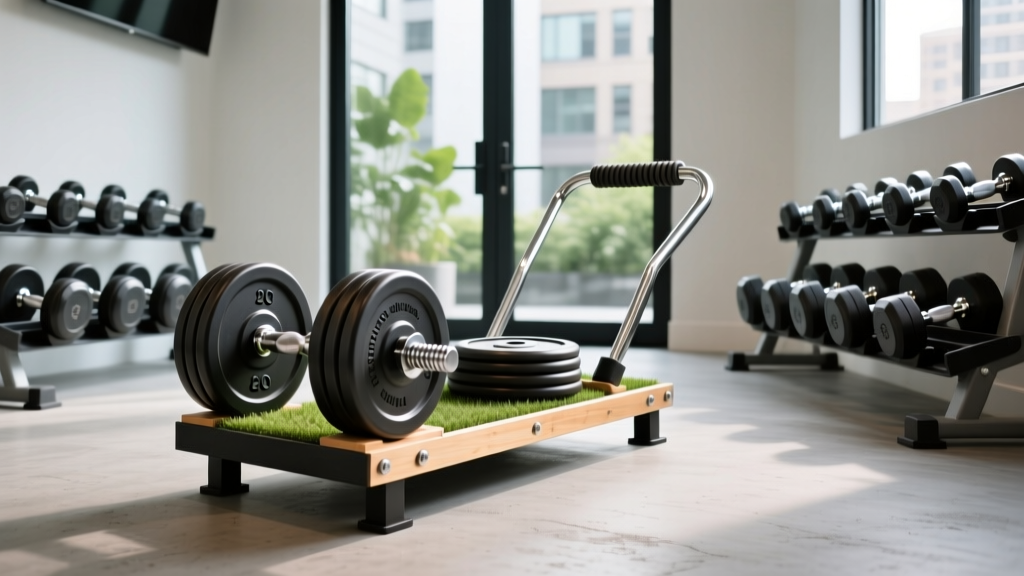
Building a Dumbbell Lawn Mower Sled: Olympic vs Standard Plates Setup
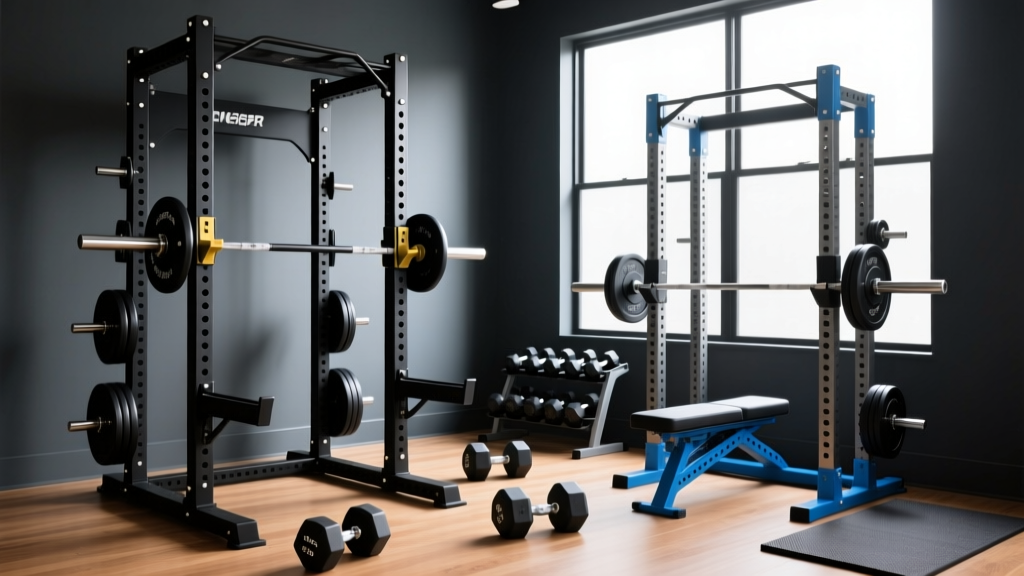
Squat Rack vs Power Rack Setup: Oblique Workouts with Dumbbells
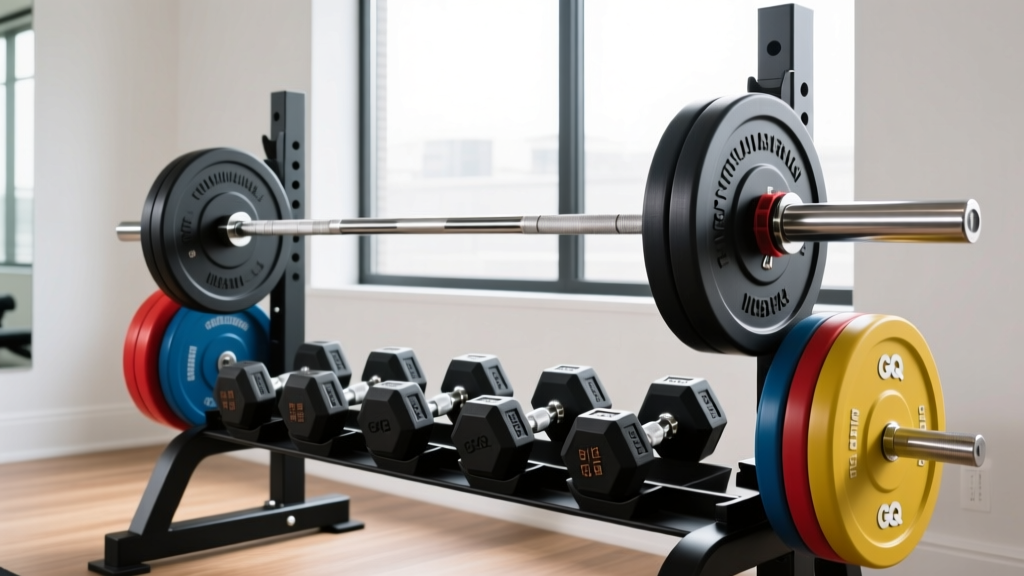
Olympic Barbell Setup: Weight, Knurling & Dumbbell Pull Aparts
