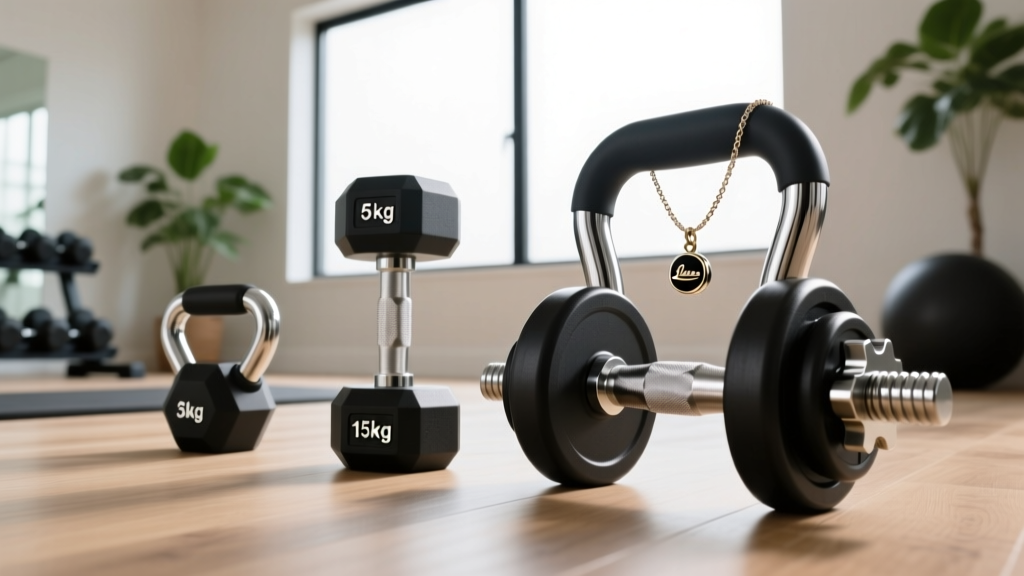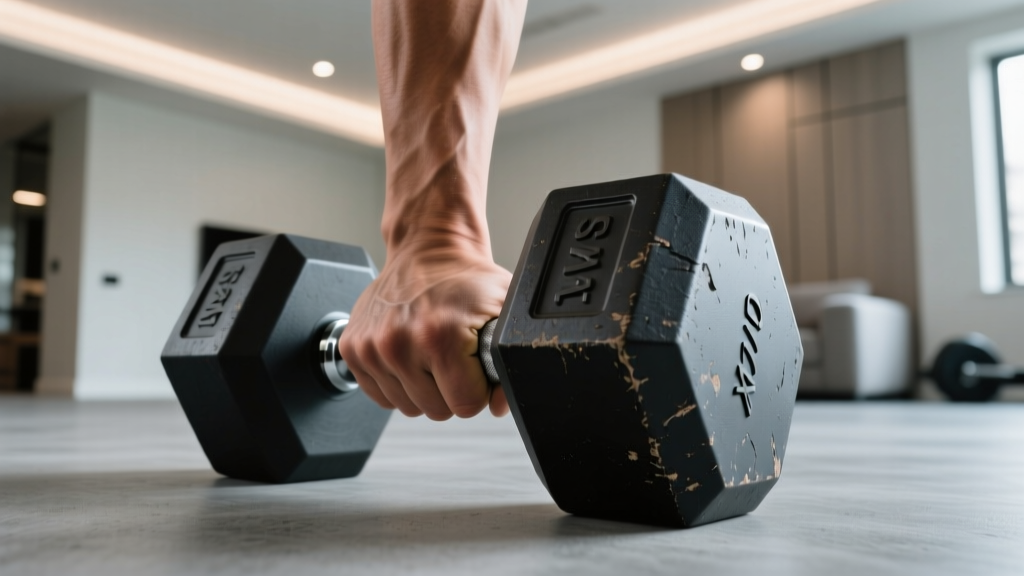
Single Dumbbell Curl Grip: Rubber Hex vs Urethane Maintenance
Discover how rubber hex and urethane dumbbell degradation affects your single dumbbell curl, plus expert maintenance tips to maximize equipment longevity.

The Biomechanics of the Single Dumbbell Curl and Equipment Wear
When executing a strict single dumbbell curl, the biomechanical demand on your wrist and forearm stabilizers is immense. Unlike bilateral movements that allow for minor compensations, the single dumbbell curl requires absolute wrist neutrality during the eccentric lowering phase, followed by a forceful supination at the peak contraction. If your dumbbell handle is slick from degraded material, or if the weight head is off-balance due to uneven material breakdown, your wrist torques unnaturally, shifting the tension away from the biceps brachii and onto the brachioradialis and wrist flexors.
This is why understanding the material science and maintenance requirements of your free weights is not just about aesthetics—it directly impacts your training efficacy. The two most common dumbbell variants in commercial and home gyms are the Rubber Hex Dumbbell (typically SBR synthetic rubber over cast iron) and the Urethane Dumbbell (premium polyurethane over steel). Both react differently to human sweat, environmental humidity, and mechanical stress. Let us break down how to maintain each type to ensure your single dumbbell curl remains biomechanically sound for years to come.
Material Breakdown: Rubber Hex vs. Urethane
Before diving into maintenance protocols, it is critical to understand what happens to these materials at a molecular level when exposed to the rigors of daily training. Human sweat is a complex corrosive cocktail containing water, sodium chloride (salt), urea, and lactic acid, with a pH typically ranging between 4.5 and 7.0.
Quick Material Specs & Pricing (2026 Market Averages)
- Rubber Hex (e.g., CAP Barbell Cast Iron Hex): $1.20 - $1.80 per lb. Porous surface, prone to UV degradation and sweat absorption.
- Urethane (e.g., Rogue U-Series, Rep Fitness URE): $3.50 - $5.50+ per lb. Non-porous, highly abrasion-resistant, chemically inert to mild acids.
| Feature | SBR Rubber Hex | Polyurethane (Urethane) |
|---|---|---|
| Sweat Resistance | Low (Absorbs salts/acids) | High (Impervious to mild acids) |
| UV / Ozone Stability | Poor (Cracks and dries out) | Excellent (Resists environmental breakdown) |
| Odor Off-Gassing | High initially (Tire smell) | None to Very Low |
| Impact Absorption | High (Bounces slightly) | Moderate (Deadens sound, dense) |
| Handle Integration | Press-fit or bolted (Can loosen) | Often over-molded or precision-welded |
According to equipment testing by Garage Gym Reviews, the primary failure mode for rubber hex dumbbells is the separation of the rubber casing from the iron core, often exacerbated by the swelling of the rubber as it absorbs moisture and salts over time. Urethane, conversely, avoids this swelling but can suffer from surface scratching if dragged across metal rack shelves.
Rubber Hex Maintenance: Fighting the 'Gym Sludge'
Because SBR rubber is microscopically porous, it acts like a sponge for chalk dust, dead skin cells, and sweat salts. Over time, this creates a slick, grayish 'gym sludge' that completely ruins the friction required to hold a heavy dumbbell steady during a single dumbbell curl. If your grip slips, you end up squeezing the handle too tightly, prematurely fatiguing your forearms before your biceps reach failure.
Step-by-Step Deep Cleaning Protocol
- Dry Brush First: Use a stiff nylon bristle brush to dislodge dried chalk and dead skin from the knurling and the rubber crevices. Never use a wire brush on the rubber heads, as it will cause micro-tears that accelerate dry rot.
- The Cleaning Solution: Mix warm water with a few drops of mild dish soap (like Dawn). Warning: Never use rubbing alcohol, bleach, or harsh degreasers like undiluted Simple Green on SBR rubber. These strip the synthetic oils from the rubber, causing it to dry out, crack, and eventually crumble.
- Scrub and Wipe: Use a microfiber cloth or a soft-bristled detailing brush to agitate the soapy water over the rubber heads and the handle.
- Dry Thoroughly: Moisture trapped between the handle collar and the rubber head will rust the internal cast iron, eventually causing the head to wobble. Towel dry immediately and let them air-dry in a well-ventilated area.
To restore grip to a slick rubber handle, some lifters lightly apply a thin coat of chalk. However, a better long-term solution is maintaining the knurling, which we will cover below.
Urethane Longevity: Protecting Premium Investments
Premium urethane dumbbells, such as the Rogue U-Series, are an investment often exceeding $4.00 per pound. While the polyurethane material is virtually impervious to the acidic corrosive nature of sweat, the matte finish can trap oils and lotions from users' hands, leading to a slippery surface that compromises isolation exercises.
Avoid the 'Drop and Drag'
Urethane is incredibly durable against floor impacts, but it is susceptible to slicing and gouging. When retrieving a heavy urethane dumbbell from a metal tier rack, lift it straight up. Dragging it across the metal shelf will slice the urethane casing, exposing the inner steel core to rust and permanently ruining the weight's balance.
Cleaning Urethane: Unlike rubber, urethane can handle stronger cleaning agents. A 50/50 mix of water and white vinegar is highly effective at cutting through hand oils and killing surface bacteria without damaging the polyurethane bonds. For commercial gym environments, quaternary ammonium-based wipes are safe for urethane and provide hospital-grade sanitization. Wipe down the heads and handles immediately after your single dumbbell curl sets to prevent oil buildup.
Handle and Knurling Care: The Secret to Curl Stability
The material of the dumbbell heads matters, but the handle is where the single dumbbell curl is won or lost. Most rubber hex dumbbells feature a light chrome or painted handle, while premium urethane sets utilize hard chrome or black oxide finishes.
Maintaining Hard Chrome
Hard chrome is highly resistant to rust, but the microscopic valleys of the knurling can trap sweat salts (chlorides). Over months of use, these chlorides can cause 'pitting'—tiny rust craters that feel like sandpaper and tear up your calluses. To prevent this, wipe the handles with a dry towel after use, and once a month, scrub the knurling with a brass wire brush and a light application of 3-in-One oil. Wipe the excess oil off completely; you want the knurling to bite into your skin, not act as a lubricant during the supination phase of your curl.
Maintaining Black Oxide
Black oxide offers a beautiful, matte, aggressive grip, but it provides zero inherent rust protection. It is essentially a controlled oxidation layer. If you sweat heavily during arm isolation work, black oxide handles will develop orange surface rust within 48 hours if left untreated. You must apply a barrier oil (like mineral oil or WD-40 Specialist Corrosion Inhibitor) weekly. According to strength equipment experts at BarBend, neglecting black oxide handles in humid environments will result in severe pitting that permanently ruins the tactile feedback necessary for precise grip adjustments.
Environmental Storage Thresholds
Where you store your dumbbells dictates their lifespan just as much as how you clean them. Both rubber and urethane degrade under poor environmental conditions, though in different ways.
- Humidity Control: Keep your gym space below 55% Relative Humidity (RH). Above this threshold, condensation forms on the steel handles and internal cores, leading to catastrophic rust jacking (where rust expands and cracks the rubber head from the inside out).
- UV Exposure: Never store rubber hex dumbbells in direct sunlight or directly under high-output UV tanning bulbs. UV radiation breaks down the carbon bonds in SBR rubber, causing it to turn gray, become brittle, and flake off onto your floor.
- Temperature Swings: Uninsulated garages that swing from freezing winters to sweltering summers cause the metal cores to expand and contract. Over years, this thermal cycling can loosen the press-fit collars on lower-tier rubber hex dumbbells, resulting in a rattling, unbalanced weight head that makes the single dumbbell curl feel awkward and unstable.
'The secret to long-lasting free weights isn't just buying the most expensive urethane set; it is establishing a micro-habit of wiping down the knurling and controlling your room's ambient humidity. A well-maintained $2/lb rubber hex dumbbell will outperform a neglected $5/lb urethane dumbbell every single time.' — FitGearPulse Equipment Testing Lab
Summary: Choosing and Caring for Your Curling Arsenal
If your primary goal is heavy, high-volume isolation work like the single dumbbell curl on a budget, rubber hex dumbbells are excellent, provided you commit to a strict soap-and-water cleaning regimen and keep them out of the sun. If you demand a lifetime warranty, zero odor, and a premium tactile experience—and you are willing to invest the capital and avoid dragging them across metal racks—urethane is the undisputed king. By matching your maintenance routine to the specific molecular properties of your equipment, you ensure that every rep of your single dumbbell curl is stable, safe, and perfectly targeted.
More gear to consider
All reviews
V Shape Body Workout at Home with Dumbbells: 2026 Setup Guide

Olympic vs Standard Plates & Dumbbell Lateral Raise Muscles Worked

Bumper Plate vs Iron Plate & Dumbbell Chest Fly Muscles Worked
EZ vs Straight Bar Maintenance & How to Work Out Lats With Dumbbells

Best Neoprene Dumbbells for the 45 Degree Dumbbell Press (2026)