RDL Exercise with Dumbbells vs. Barbell: 2026 Knurling Guide
Compare the RDL exercise with dumbbells vs. an Olympic barbell. Dive into our 2026 barbell buying guide focusing on weight, shaft diameter, and knurling.

The Biomechanical Showdown: Dumbbells vs. Olympic Barbells
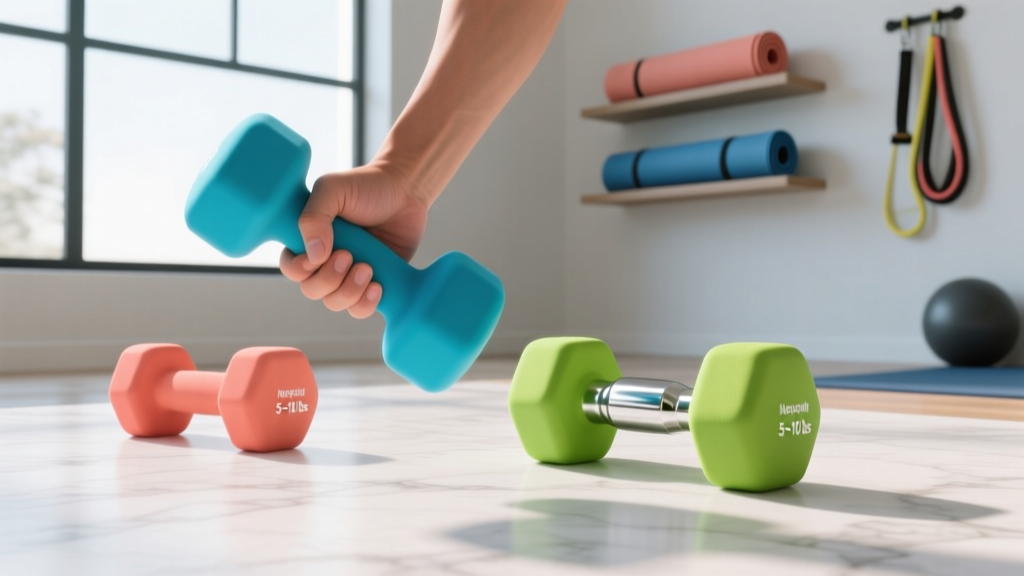
When targeting the posterior chain, the Romanian Deadlift (RDL) is a non-negotiable staple. However, the implement you choose drastically alters the stimulus, grip demands, and central nervous system (CNS) fatigue. While the rdl exercise with dumbbells allows for a deeper eccentric stretch and unilateral bias, the Olympic barbell remains the undisputed king of absolute load and mechanical tension.
According to biomechanical analyses referenced by the National Strength and Conditioning Association (NSCA), the hip hinge requires maximum stabilization of the lumbar spine under load. Dumbbells allow the lifter to keep the weight closer to their center of gravity by drifting the implements slightly forward or to the sides, reducing shear force on the lower back. Conversely, a barbell locks your hands into a fixed, pronated grip outside the knees, demanding significantly more from your lats and upper back to maintain bar proximity.
Implement Comparison Snapshot
- Dumbbells: Superior range of motion (ROM), ideal for hypertrophy, limited by grip strength and maximum dumbbell weight availability (typically capping at 120-150 lbs in commercial gyms).
- Olympic Barbell: Superior for maximal strength, progressive overload, and CNS adaptation. Requires specialized knurling to prevent grip failure during heavy eccentrics.
Because the barbell allows for vastly superior progressive overload, serious lifters eventually migrate to the barbell. But not all barbells are created equal. If you are upgrading your home gym in 2026, understanding barbell weight, shaft diameter, and knurling patterns is critical for RDL success.
Why Barbell Knurling Dictates Your RDL Success
The primary point of failure during a heavy barbell RDL is rarely the hamstrings or glutes; it is grip endurance. As you push your hips back into the eccentric phase, the barbell naturally wants to drift away from your body, increasing the moment arm and forcing your fingers to pry open. This is where the barbell's knurling becomes your most vital piece of equipment.
Knurling is the cross-hatch pattern machined into the steel shaft. In 2026, manufacturing precision has evolved, giving lifters three distinct knurl profiles to choose from:
| Knurl Type | Profile Description | Best Use Case | RDL Verdict |
|---|---|---|---|
| Hill | Smooth, rounded peaks with shallow valleys. | High-rep Olympic lifting, casual fitness. | Poor. Bar will slip during heavy eccentrics. |
| Mountain | Sharp, aggressive peaks that dig deeply into the skin. | Deadlifts, powerlifting meets. | Good, but will tear calluses during high-volume RDL blocks. |
| Volcano | CNC-machined rim with a hollow center; grips without piercing. | Heavy powerbuilding, RDLs, rows. | Excellent. Maximum surface area grip without skin tearing. |
For the RDL, the volcano knurl is the gold standard. It provides a 'velcro-like' grip that secures the bar to your calluses without the尖锐 (sharp) tearing associated with mountain knurls, allowing you to perform 4 sets of 8 heavy reps without needing to constantly re-chalk or rely on straps prematurely.
Olympic Barbell Weight, Shaft Diameter, and Tensile Strength
Beyond the knurl, the physical dimensions and metallurgy of the barbell dictate how it feels in the hand and how it handles the stress of heavy loads. A standard Olympic barbell weighs 20kg (44 lbs), but the shaft diameter varies wildly based on its intended discipline.
Shaft Diameter: 28mm vs. 28.5mm vs. 29mm
- 28mm (Olympic Weightlifting): Designed for the hook grip and high-velocity turnover. Too thin for heavy RDLs; it will dig painfully into the fingers and rotate under load.
- 28.5mm (Multi-Purpose): A solid compromise, but still leans toward dynamic movements.
- 29mm (Powerlifting): The optimal diameter for the RDL. The thicker shaft fills the hand, reducing the leverage the barbell has to pry your fingers open. According to Rogue Fitness, their 29mm power bars are specifically engineered to minimize flex and maximize grip security during heavy pulls.
Tensile Strength: The 190k PSI Threshold
Tensile strength measures the maximum stress the steel can withstand before permanently deforming (bending). For a dedicated RDL and deadlift bar, you must look for a minimum of 190,000 PSI. Bars in the 160k-170k PSI range (often found in budget commercial gym racks) will develop a permanent 'whip' or bend over time when loaded with 400+ lbs, altering the bar's balance and knurl alignment.
'Investing in a 215,000 PSI shaft ensures that the barbell remains perfectly rigid during the eccentric lowering phase of the RDL, providing consistent tactile feedback to the lifter.' - 2026 Home Gym Engineering Report
Head-to-Head Gear Comparison Matrix: Top 2026 Power Bars
If you have decided to prioritize the barbell RDL over the rdl exercise with dumbbells, here is how the top three 29mm power bars on the market compare for posterior chain training.
| Barbell Model | Knurl Type | Tensile Strength | Price (2026 Est.) | Best For |
|---|---|---|---|---|
| Rogue Ohio Power Bar (Stainless) | Aggressive Volcano | 205,000 PSI | $495.00 | Lifelong durability, raw grip RDLs. |
| Rep Fitness Excalibur | Deep Volcano | 215,000 PSI | $349.99 | Budget-conscious powerbuilders. |
| Eleiko Olympic Powerlifting Bar | Refined Mountain | 215,000+ PSI | $1,150.00 | Elite competitors, commercial facilities. |
Programming the RDL: When to Choose Which Implement
To maximize hypertrophy and strength without burning out your CNS or tearing your hands, elite coaches in 2026 utilize a hybrid approach, integrating both dumbbells and barbells into the same training macrocycle.
Phase 1: Heavy Mechanical Tension (Barbell)
Use the Olympic barbell for your primary strength work. Keep reps in the 4-6 range. The 29mm shaft and volcano knurl allow you to overload the hamstrings and glutes maximally. Note: If your grip fails before your hamstrings, use figure-8 lifting straps. Do not let grip be the limiting factor for systemic muscle growth.
Phase 2: Metabolic Stress & Stretch (Dumbbells)
Later in the week, transition to the rdl exercise with dumbbells. Perform 3 sets of 12-15 reps. Because dumbbells do not lock your wrists into pronation, you can rotate your hands to a neutral grip, reducing elbow tendon strain. Furthermore, you can lower the dumbbells past your toes onto blocks or plates, achieving a deep, loaded stretch that a barbell cannot accommodate without hitting the floor.
Expert Troubleshooting: Lower Back Pump
If you experience severe lower back 'pump' or fatigue during barbell RDLs, it is often due to the bar drifting forward. Switch to the rdl exercise with dumbbells for 3-4 weeks. The independent implements allow you to keep the weight pinned directly against your thighs, retraining your lats to maintain a vertical bar path before returning to the barbell.
Final Verdict: Building the Ultimate Hinge Arsenal
The debate between dumbbells and barbells is not an 'either/or' scenario; it is a matter of periodization. The rdl exercise with dumbbells is an irreplaceable tool for unilateral correction, deep stretch-mediated hypertrophy, and joint preservation. However, to build a truly elite posterior chain, you must eventually move serious iron.
When you make that transition, do not compromise on your barbell. Invest in a 29mm, 205k+ PSI shaft with a volcano knurl pattern. The tactile security it provides will allow you to focus entirely on driving your hips back and feeling the hamstrings load, rather than worrying about the bar slipping from your chalked hands. For more detailed breakdowns on power rack clearances and bumper plate pairings for your RDL setup, explore our comprehensive ExRx biomechanics archives and gear databases.
More gear to consider
All reviews
Space Guide: EZ Curl Bar vs Straight Bar & Upper Pec Dumbbell

Loadable Dumbbell Maintenance for the Dumbbell Box Step Up
Olympic vs Standard Plates for Your 100 Pound Dumbbell Press

Compact Gym Layouts: Loadable Dumbbells for the Dumbbell SLDL

Olympic vs Standard Plates: Finding the Ideal Dumbbell Weight Setup