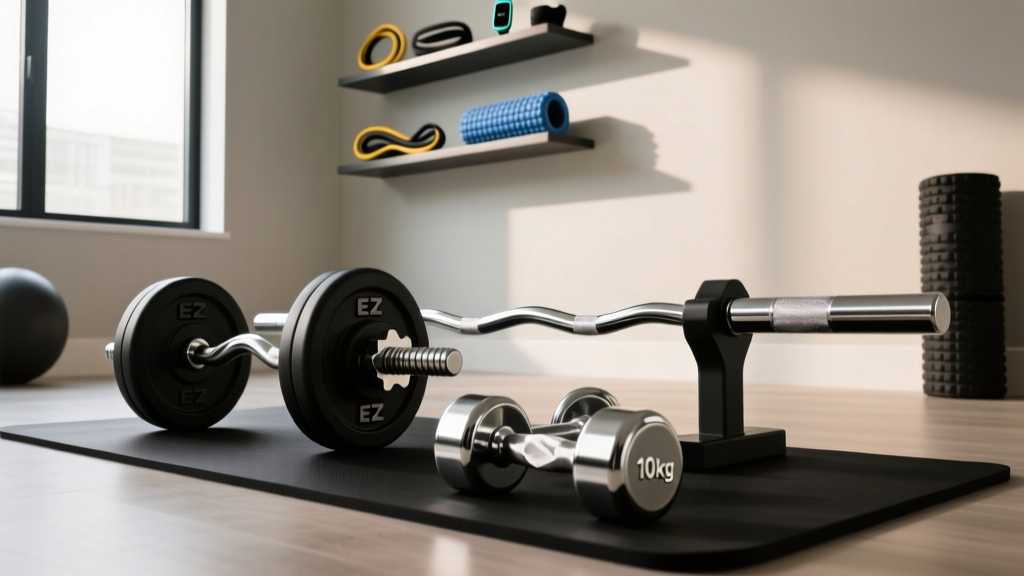
Olympic vs Standard Plates: Choosing Dumbbells for Building Muscle
Olympic vs standard weight plates compared for plate-loaded dumbbell training. Specs, pricing, and a decision framework for building muscle effectively.

The Plate-Loaded Dumbbell Dilemma That Most Home Gym Buyers Get Wrong
If you are assembling a home gym and researching dumbbells for building muscle, you will inevitably hit a fork in the road: standard (1-inch bore) or Olympic (2-inch bore) weight plates. This decision locks you into an entire ecosystem of handles, racks, and barbells — and switching later is expensive. In 2026, with plate-loaded dumbbell handles from brands like Rogue, Titan Fitness, and CAP Barbell more accessible than ever, understanding the mechanical and financial differences between these two plate standards is no longer optional.
This guide dissects both systems with specific product data, real pricing, and a practical decision framework so you stop guessing and start lifting.
Key Insight: The bore diameter (hole size) of a weight plate determines which dumbbell handles, barbells, and storage pegs it will fit. A 1-inch standard plate will never fit a 2-inch Olympic handle, and an Olympic plate will slide dangerously loose on a standard peg. There is no universal adapter worth trusting under heavy load.Core Specification Comparison: Olympic vs Standard Weight Plates
Before evaluating how each plate type performs with dumbbells for building muscle, you need the raw specifications side by side. The table below captures the engineering and commercial differences that matter most.
| Specification | Standard (1-Inch) | Olympic (2-Inch) |
|---|---|---|
| Bore Diameter | 1 inch (25.4 mm) | 2 inches (50.4 mm) |
| Max Weight per Dumbbell | ~60–80 lbs (handle-dependent) | 120–170+ lbs |
| Handle Sleeve Length | 6.5–8 inches typically | 8–12 inches typically |
| Plate Material Options | Cast iron, cement-filled vinyl | Cast iron, rubber, urethane, bumper |
| Cost per Pound (cast iron) | $1.25–$2.00/lb | $2.00–$3.50/lb |
| Plate Thickness (45-lb plate) | ~1.5 inches | ~1.3 inches (calibrated) to 1.8 inches |
| Weight Accuracy | ±3–5% | ±1–2% (calibrated: ±0.25%) |
Standard Plates with Dumbbells for Building Muscle: The Budget Path
What You Get and Where It Falls Short
Standard 1-inch plates are the entry point for most home lifters. A pair of CAP Barbell 1-inch cast iron dumbbell handles (model SDH-14) costs approximately $22–$28 each in 2026, with a 14-inch overall length and roughly 7 inches of loadable sleeve. Paired with a set of standard plates — say a 110-pound pair kit from Yes4All running $65–$85 — your total buy-in for a functional dumbbell pair sits under $140.
For beginners and intermediate lifters performing goblet squats, dumbbell presses, and rows in the 20–50 pound range per hand, this system works adequately. The American Council on Exercise notes that progressive overload — the core mechanism behind hypertrophy — can be achieved with any implement that allows incremental resistance increases, and standard plates deliver that at the lowest possible cost.
The Critical Limitation: Sleeve Capacity
Here is where the standard system breaks down for serious muscle building. A typical 7-inch standard sleeve holds approximately three 1-inch thick plates per side. Using 10-pound plates, you max out around 65 pounds per dumbbell. If you progress to needing 70–80 pound dumbbells for chest presses or lunges — which intermediate lifters commonly reach within 12–18 months of consistent training per NSCA strength standards — you are out of sleeve space. Your only options are:
- Buying thinner (and more expensive) standard plates, such as machined steel — rarely available in 1-inch bore
- Switching to Olympic entirely, abandoning your standard plate investment
- Purchasing adjustable dumbbells like the Bowflex 552 or PowerBlock Elite as a parallel system
Olympic Plates: The System That Scales With Your Strength
Why Serious Hypertrophy Training Demands Olympic
Olympic 2-inch plates connect to a far broader ecosystem. The same plates you load onto a Rogue Loadable Dumbbell Handle ($95 per handle, 10.5-inch loadable sleeve) also fit your Olympic barbell, your plate-loaded leg press attachment, and your sled. This cross-compatibility is the single strongest argument for Olympic when building a long-term home gym for muscle development.
With a 10.5-inch sleeve on the Rogue handle, you can load up to 130 pounds per dumbbell using standard-thickness Olympic plates — enough for advanced dumbbell bench press work that would require a commercial gym's heaviest fixed dumbbells. The handle itself weighs 10 pounds, giving you a working range from 15 lbs (handle + 2.5-lb plates) to 140 lbs per hand.
Plate Type Breakdown Within the Olympic Ecosystem
| Olympic Plate Type | Best For | Price/lb (2026) | Dumbbell Suitability |
|---|---|---|---|
| Cast Iron (machined) | General strength, budget builds | $2.00–$2.75 | ★★★★☆ |
| Rubber-Coated (Hi-Temp) | Floor protection, garage gyms | $2.50–$3.50 | ★★★☆☆ |
| Urethane | Premium home/commercial gyms | $3.50–$5.50 | ★★★★★ |
| Calibrated Steel | Precision work, competition prep | $5.00–$8.00 | ★★★★☆ |
| Bumper (crumb rubber) | Drops, Olympic lifts, CrossFit | $3.00–$6.00 | ★★☆☆☆ |
For dumbbell-specific work, urethane plates earn the top rating because they are thinner than bumpers (allowing more weight on the sleeve), odorless compared to cheap rubber, and survive repeated loading and unloading without chipping. Fringe Sport and Rogue both produce urethane Olympic plates in fractional sizes (0.5 lb, 1 lb, 2.5 lb) that are essential for the micro-loading that drives progressive overload in dumbbell isolation movements like lateral raises and bicep curls.
Total System Cost: Standard vs Olympic Dumbbell Setups
Price is usually the deciding factor. Below is a realistic 2026 cost breakdown for building a plate-loaded dumbbell system capable of reaching 80 pounds per hand — the threshold where most intermediate lifters need reliable, balanced equipment.
| Component | Standard Setup Cost | Olympic Setup Cost |
|---|---|---|
| Handles (pair) | $44–$56 (CAP Barbell) | $190 (Rogue Loadable) |
| Plates to reach 80 lbs/hand (160 lbs total) | $200–$240 (cast iron) | $320–$420 (cast iron) |
| Collars/Clamps (pair) | $8–$15 (spring) | $25–$50 (lock-jaw or HG) |
| Storage rack/tree | $35–$60 | $80–$150 |
| Total | $287–$371 | $615–$810 |
The Olympic setup costs roughly 2–2.5x more upfront, but it future-proofs your gym for barbell training and handles loads beyond what standard sleeves can physically accommodate. If your five-year plan includes deadlifts, squats, or any barbell work, the Olympic investment pays for itself by eliminating a redundant plate purchase.
Decision Framework: Which Plate System Fits Your Muscle-Building Goals?
Use this flowchart-style breakdown to determine which path makes sense for your specific situation:
Choose Standard If:
- Your budget is under $350 total and you need dumbbells immediately for a beginner or early-intermediate hypertrophy program.
- Your target working weight is below 60 lbs per hand — common for lateral raises, tricep extensions, and most isolation movements even at advanced levels.
- You have zero interest in barbell training and do not plan to purchase a barbell or power rack within the next three years.
- Space is extremely limited — standard plates and handles store in a smaller footprint than Olympic equivalents.
Choose Olympic If:
- You currently press or plan to press above 60 lbs per hand on compound dumbbell movements (bench press, incline press, shoulder press).
- You already own or plan to buy an Olympic barbell — the plate cross-compatibility alone justifies the premium.
- You value weight accuracy — Olympic calibrated plates offer ±0.25% tolerance vs the ±3–5% drift common in standard cast iron, which matters when tracking progressive overload precisely.
- You want to drop dumbbells safely — Olympic rubber and urethane plates survive floor contact far better than standard cast iron, which can crack or chip your flooring.
Edge Cases and Failure Modes Most Guides Ignore
Sleeve Diameter Mismatch
Some cheap Olympic dumbbell handles have sleeves measuring 1.96 inches rather than a true 2.0 inches. While plates will fit, the slight gap causes rattling during exercises like hammer curls. Always verify sleeve outer diameter to 50.4mm tolerance before purchasing. Rogue and Titan Fitness both publish this spec; many Amazon marketplace brands do not.
Plate Width vs. Exercise Clearance
Wide Olympic bumper plates (17.7-inch diameter across all weights) create clearance problems during dumbbell bench press — the plates can contact your chest or each other before you reach full range of motion. For dumbbell-specific work, prioritize standard-diameter Olympic iron or urethane plates (14.5-inch or less for plates under 25 lbs) to maintain full ROM.
Frequently Asked Questions
Can I use an adapter to fit Olympic plates on standard dumbbell handles?
Adapters exist (typically $8–$12 per pair), but they reduce the effective sleeve length by 1–2 inches and introduce a failure point under dynamic loading. According to equipment testing standards referenced by the Exercise Prescription Network, any adapter between a plate bore and a sleeve creates uneven torque distribution. For static barbell storage, adapters are acceptable. For dumbbell movements involving acceleration and deceleration, they are a liability.
Are fractional Olympic plates worth the cost for dumbbell training?
Absolutely. A pair of 0.5-lb Olympic fractional plates ($12–$18/pair from Rogue or Fringe Sport) lets you micro-load dumbbell isolation movements. Going from 20-lb to 22.5-lb lateral raises is a 12.5% jump — significant for a small muscle group. Adding 0.5 lbs per side reduces that jump to a manageable 2.5% increase, which is the gold standard for sustained progressive overload.
Do standard plates lose resale value faster than Olympic?
Yes. The secondary market (Facebook Marketplace, OfferUp) consistently shows Olympic plates reselling at 60–75% of retail, while standard plates depreciate to 30–45% because the buyer pool is smaller. Commercial gyms and serious home gym builders exclusively seek Olympic; standard plates are perceived as beginner equipment.
Final Recommendation
If your primary goal is building muscle with dumbbells and you foresee training for more than two years, invest in the Olympic system from the start. The $300–$400 premium buys you unlimited load capacity, barbell compatibility, superior weight accuracy, and better resale value. Start with a pair of loadable Olympic handles and 80–100 pounds of cast iron plates, then expand with fractional and bumper plates as your programming evolves. Standard plates remain a legitimate budget option for lighter isolation work and beginners, but they are a ceiling — not a foundation — for long-term hypertrophy training.
More gear to consider
All reviews
EZ Bar vs Straight Bar: Upgrading Triceps Extension With Dumbbells
Loadable Dumbbells & The Seated Dumbbell Deadlift: 2026 Trend Report

One Hand Dumbbell Storage: 2026 Budget & Value Breakdown

Best Adjustable Dumbbells for the Trapezius Dumbbell Exercise (2026)
Flying With Dumbbells? The Loadable Plate Budget Breakdown