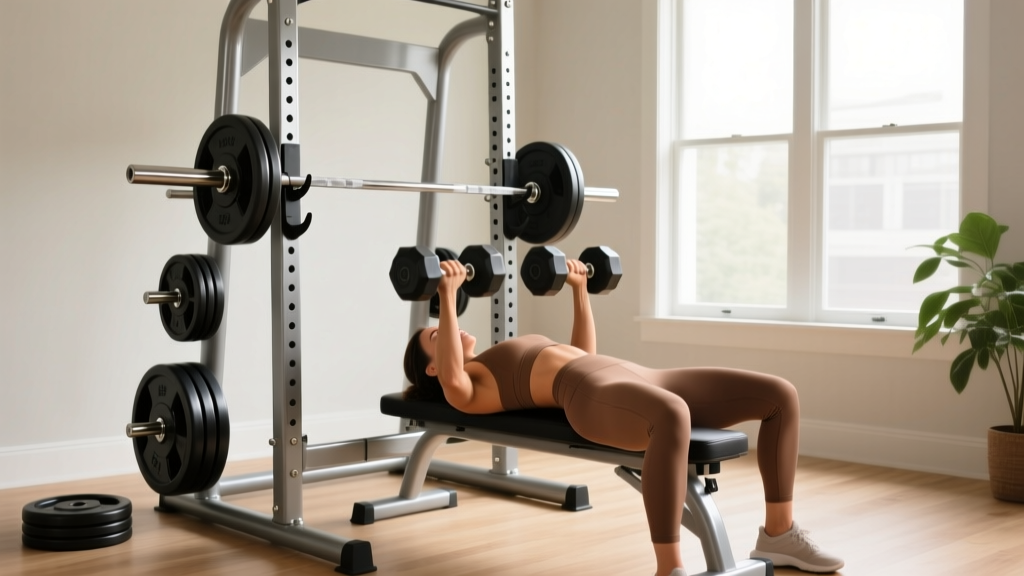
Olympic vs Standard Plates: Guide to Dumbbell Squats for Men
Compare Olympic vs standard weight plates for loadable dumbbells. Master your home gym setup and form for heavy dumbbell squats for men with this guide.

The Great Home Gym Debate: Olympic vs Standard Weight Plates
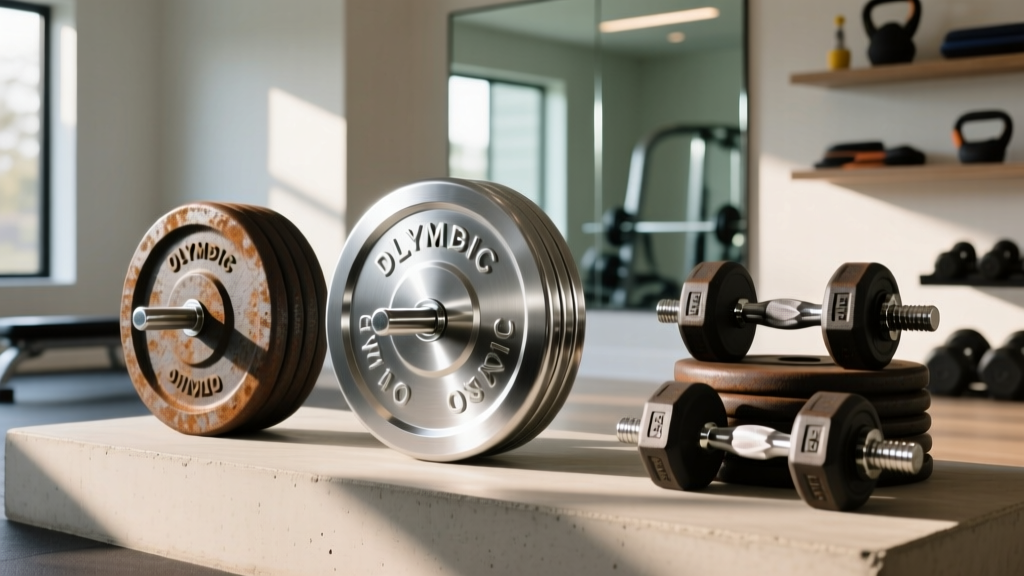
Building a home gym for serious leg day training often leads to a critical crossroads: do you invest in 1-inch standard weight plates or 2-inch Olympic weight plates? For beginners, the cheaper price tag of standard cast iron is tempting. However, when your training evolves to include heavy, progressive movements like dumbbell squats for men, the limitations of standard plates become glaringly obvious. Men typically possess a higher baseline for lower-body strength, meaning you will outgrow standard loadable dumbbells within your first six months of consistent training.
This beginner-friendly, step-by-step guide will break down the metallurgical and practical differences between Olympic and standard plates, specifically through the lens of loadable dumbbell training. We will then transition into a biomechanical masterclass on executing the perfect dumbbell squat, ensuring your equipment choices directly support your strength gains in 2026 and beyond.
Comparison Matrix: 1-Inch Standard vs 2-Inch Olympic
Before we load up the handles, you need to understand the physical specifications governing these two plate ecosystems. The center hole diameter dictates not just the plate, but the barbell and dumbbell handles you can use.
| Feature | Standard Plates (1-Inch / 25mm) | Olympic Plates (2-Inch / 50mm) |
|---|---|---|
| Center Hole Diameter | 1 inch (25.4mm) | 2 inches (50.8mm) |
| Max Plate Size (Common) | 25 lbs (rarely 35 lbs) | 45 lbs / 55 lbs (Calibrated Steel) |
| Loadable Dumbbell Handle Capacity | ~50-60 lbs per hand | 150-200+ lbs per hand |
| Material Options | Cast Iron, Cement/Vinyl | Cast Iron, Rubber, Urethane, Bumper |
| Avg. Cost Per Pound (2026) | $1.20 - $1.80 / lb | $2.00 (Iron) to $5.50 (Urethane) / lb |
| Sleeve Spin/Bearings | None (Solid steel rod) | Bushings or Needle Bearings |
Why Plate Choice Dictates Your Loadable Dumbbell Strategy
When performing dumbbell squats for men, the load requirement is substantial. A beginner male weighing 180 lbs might start with dual 35 lb dumbbells, but within a year, they will likely be squatting dual 80 lb or 100 lb dumbbells. This is where the standard vs. Olympic divergence causes actual equipment failure.
The Standard 1-Inch Failure Mode
Standard 14-inch loadable dumbbell handles are essentially solid steel rods. When you stack four 25 lb standard plates on each side, two issues arise:
- Sleeve Space: You physically run out of room on the 1-inch sleeve to fit more than 100 lbs total.
- Metallurgical Bending: Under the dynamic load of a heavy goblet or dual-dumbbell squat, the thin 1-inch steel rod can develop a permanent micro-bend, causing the plates to rattle and the handle to spin unpredictably in your grip.
The Olympic 2-Inch Advantage
Olympic loadable dumbbell handles, such as the Rogue Fitness ML Loadable Dumbbell Handles, feature thick 50mm sleeves machined from high-grade steel. They utilize internal bushings or bearings that allow the heavy plates to spin independently of the handle. This reduces rotational torque on your wrists during the clean-and-rack phase of the squat, a crucial safety feature when handling loads exceeding 80 lbs per hand.
⚠️ Safety Warning: Never mix standard and Olympic plates using cheap plastic adapters (2-inch to 1-inch converters). Under the heavy, dynamic downward force of a dumbbell squat, these plastic adapters can crack, causing a 45 lb plate to slide off and crush your foot or damage your flooring.Step-by-Step: Executing Dumbbell Squats for Men
Now that you have selected the correct Olympic loadable handles and plates, it is time to execute the movement. According to biomechanical principles outlined by the National Strength and Conditioning Association (NSCA), the squat requires strict intra-abdominal bracing and hip-knee synchrony. Here is your step-by-step guide to the Dual Dumbbell Front Squat.
Step 1: The Deadlift Pickup & Clean
Do not bend over at the waist to pick up heavy dumbbells. Straddle the loaded Olympic handles. Hinge at the hips, grip the knurling, and deadlift the weights to your hips. In one fluid motion, use a slight hip thrust to 'clean' the dumbbells up to your shoulders. The bell of the dumbbell should rest on your anterior deltoid, with your elbows pointing forward and slightly up.
Step 2: The Stance & Brace
Place your feet shoulder-width apart, with toes pointed out at a 15 to 30-degree angle. Before you descend, take a deep diaphragmatic breath into your belly (not your chest) and flex your core as if preparing for a punch. This creates the intra-abdominal pressure necessary to protect your lumbar spine.
Step 3: The Eccentric Descent
Initiate the movement by breaking at the hips and knees simultaneously. Lower yourself on a controlled 3-second eccentric tempo. Keep your torso as upright as possible—the front-loaded nature of the dumbbells will naturally encourage an upright torso, which heavily targets the quadriceps while sparing the lower back.
Step 4: The Hole & The Drive
Descend until your hip crease drops just below the top of your knee (parallel or slightly below). As detailed in ExRx.net's biomechanical breakdown of squat variations, ensure your knees track directly over your toes and do not cave inward (valgus collapse). Drive through your mid-foot, exhaling sharply only as you pass the most difficult 'sticking point' on the way up.
2026 Budgeting: Building Your Plate Stack
If you are outfitting a garage gym in 2026 specifically for heavy dumbbell squats and barbell work, here is a realistic budgeting framework for Olympic plates:
- The Barebones Iron Stack ($250 - $350): Used or new raw cast iron Olympic plates. Expect to pay around $1.80 to $2.20 per pound. They are loud, can chip your concrete floor, but offer the best weight-to-dollar ratio.
- The Rubber-Coated Middle Ground ($400 - $550): Virgin rubber Olympic plates (like those from REP Fitness or Titan). Priced around $2.80 per pound. They dampen sound and protect floors, but cheaper rubber can emit a strong odor in enclosed spaces.
- The Premium Urethane Investment ($800+): Urethane plates (e.g., Rogue Urethane or Eleiko). Priced between $4.50 and $6.00 per pound. Urethane is virtually indestructible, odorless, and doesn't degrade under UV light or extreme temperature fluctuations in an uninsulated garage.
Pro-Tip for Beginners: Buy your heavy plates (45s and 25s) first. Fractional plates (10s, 5s, 2.5s) are crucial for progressive overload on upper body lifts, but for dumbbell squats for men, you will be making 10 lb to 20 lb jumps per hand for the first year. Focus your budget on the heavy iron.
Frequently Asked Questions
Can I use bumper plates for loadable dumbbell squats?
Technically yes, but it is highly impractical. Bumper plates have a thick rubber profile. An Olympic loadable dumbbell handle only has about 5 to 7 inches of sleeve space. You can usually only fit one or two 10 lb bumper plates on a handle before running out of room. Stick to calibrated steel or thin cast-iron Olympic plates for dumbbells.
Why do my wrists hurt during the front rack position?
Wrist pain during heavy dumbbell front squats usually stems from poor mobility or improper grip. Ensure the dumbbell handle rests diagonally across the meat of your palm, directly over the forearm bones (radius and ulna), rather than resting near the base of the fingers. If your wrist bends backward at a 90-degree angle under a 70 lb load, joint strain is inevitable. Work on your wrist extension mobility and lat flexibility.
Are standard plates completely useless?
Not entirely. Standard 1-inch plates are still excellent for lightweight isolation movements, resistance band anchoring, or loading inexpensive adjustable incline benches. However, for foundational, heavy compound movements like squats, deadlifts, and presses, the 2-inch Olympic standard is the undisputed global requirement for safety and longevity.
More gear to consider
All reviews
EZ vs Straight Bar: Care & Shoulder Presses with Dumbbells
EZ Curl Bar vs Straight Bar: Upgrading Your Dumbbell Workout Sheet

Dumbbell Rack Storage & Value: Does Setup Impact Skull Crusher Form?

Compact Gym Layouts: Loadable Dumbbells & Dumbbell Toe Taps

Beyond Upper Arm Exercises With Dumbbells: 2026 Kettlebell Trends