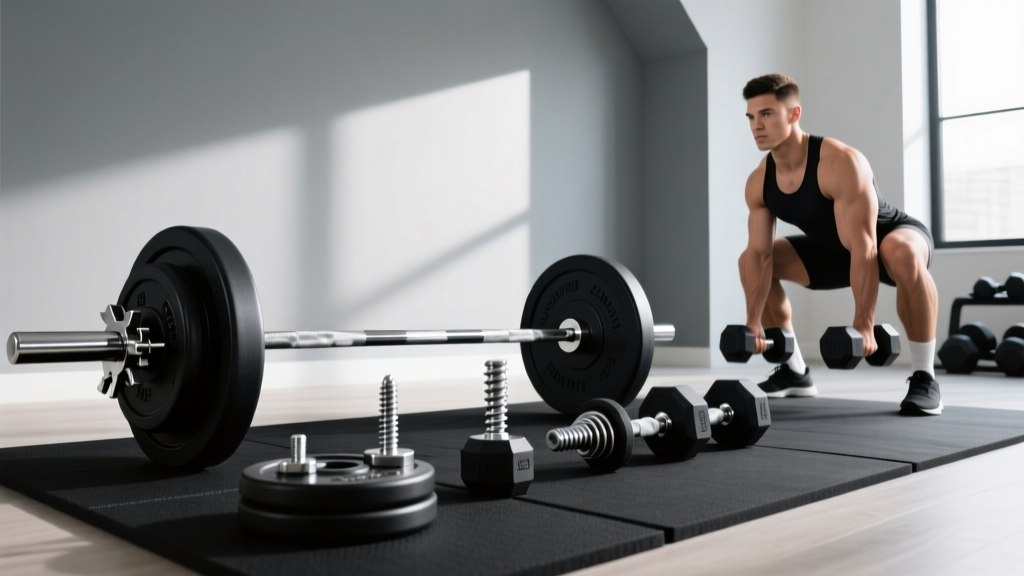
Olympic vs Standard Plates: Alternating Dumbbell Pullover Setup Guide
Compare Olympic vs standard weight plates for your home gym. Learn how to build a versatile rack setup for heavy lifts and the alternating dumbbell pullover.

The Home Gym Plate Dilemma: 1-Inch vs 2-Inch Ecosystems
When outfitting a home gym in 2026, the decision between Olympic and standard weight plates extends far beyond simply buying iron. It dictates the entire biomechanical and structural framework of your training space. While Olympic plates (2-inch center holes) are the undisputed standard for heavy barbell compounds, standard plates (1-inch center holes) still hold a unique, often misunderstood position in isolation training and adjustable dumbbell setups. This guide breaks down the technical specifications, pricing, and real-world application of both plate types, with a specific focus on how your choice impacts advanced isolation movements like the alternating dumbbell pullover.
Core Specifications: Olympic vs Standard Weight Plates
Before analyzing exercise mechanics, we must establish the physical and economic differences between the two primary weight plate ecosystems. According to the International Weightlifting Federation (IWF), Olympic plates are governed by strict tolerances, whereas standard plates remain largely unregulated outside of basic diameter expectations.
| Feature | Standard Plates (1-Inch) | Olympic Plates (2-Inch) |
|---|---|---|
| Sleeve Diameter | 1 inch (25.4mm) | 2 inches (50.8mm) |
| Max Load Capacity | ~200-250 lbs (bar dependent) | 800-1,500+ lbs |
| 2026 Avg. Price (Cast Iron) | $1.50 - $1.85 / lb | $2.25 - $3.00 / lb |
| Collar/Clipping Mechanism | Threaded Spinlock or Spring Clip | Barbell Clamps / Lock Jaws |
| Primary Use Case | Light adjustable dumbbells, budget racks | Heavy barbells, loadable DB handles, drop sets |
Standard Plates: The Case for Micro-Loading and Budget Setups
Standard 1-inch plates are predominantly used with threaded spinlock dumbbell handles. In 2026, a 100lb set of standard cast iron plates (like the York Legacy series) typically retails around $160. Their primary advantage is micro-loading. Because standard plates are often cast in smaller increments (1.25 lbs and 2.5 lbs) without the massive physical footprint of Olympic fractional plates, they are excellent for rehabilitation or precise isolation progression.
The Spinlock Collar Interference Problem
However, standard plates introduce a critical mechanical flaw when applied to exercises requiring deep ranges of motion (ROM). Threaded spinlock collars are notoriously bulky, often extending 2.5 to 3 inches past the outermost plate. When performing the alternating dumbbell pullover, the lifter lies supine on a bench, lowering the dumbbells independently past the torso to stretch the latissimus dorsi and the long head of the triceps. According to kinesiology data from ExRx.net, maximizing the eccentric stretch is vital for muscle fiber recruitment in the pullover. If you are using standard spinlock dumbbells, the wide collars will physically collide with each other, or strike the floor/bench, prematurely halting the ROM before the lats are fully stretched.
⚠️ Equipment Warning: Never use standard 1-inch threaded bars for heavy floor presses or pullovers where the collar might scrape the ground. The friction can unscrew the spinlock nut mid-set, leading to catastrophic plate slippage and severe injury.Olympic Plates: The Gold Standard for Loadable Dumbbells
Olympic plates feature a 2-inch center hole, designed to mate with Olympic barbell sleeves and specialized loadable dumbbell handles (such as the Rogue Loadable Dumbbell Handles or Titan Fitness Olympic DB Handles). While the upfront cost is higher—expect to pay roughly $3.85 per pound for premium urethane Olympic plates in 2026—the biomechanical advantages for isolation work are profound.
- Compact Sleeves: Olympic loadable dumbbell handles utilize compact, low-profile collars (like machined aluminum lock jaws) that add less than an inch of lateral width.
- Rotational Mechanics: Olympic sleeves rotate on bushings or bearings. During the alternating dumbbell pullover, the natural pronation and supination of the wrist as you pull the weight back over the chest is absorbed by the sleeve rotation, sparing the elbow and wrist joints from torque.
- Drop Durability: If you are utilizing Olympic bumper plates for floor-based pullovers (a common variation for lifters with limited shoulder mobility), the vulcanized rubber can withstand repeated drops, unlike brittle standard cast iron.
Mastering the Alternating Dumbbell Pullover: Setup and Execution
The alternating dumbbell pullover is a sophisticated variation of the classic two-handed pullover. By using two independent dumbbells (or Olympic loadable handles) and alternating arms, you introduce an anti-rotational core demand while unilaterally targeting the lats and serratus anterior. ACE Fitness emphasizes that unilateral upper-body movements require rigorous core stabilization to prevent spinal hyperextension.
Step-by-Step Execution Guide
- Bench Selection: Use a flat bench with a height of 17-18 inches. A bench that is too low will restrict your shoulder extension at the bottom of the movement.
- The Grip: Grasp two dumbbells (ideally Olympic loadable handles with low-profile clamps to maximize clearance). Hold them directly over your chest with a neutral grip (palms facing each other).
- The Eccentric Phase: Keeping a slight, fixed bend in the elbows, slowly lower your right dumbbell backward over your shoulder. Inhale deeply to expand the rib cage. Lower until you feel a profound stretch in the right lat, stopping just before shoulder impingement occurs.
- The Concentric Phase: Exhale and pull the right dumbbell back to the starting position using your lats, not just your triceps. Once the right arm is stable, repeat the motion with the left arm.
- Core Bracing: Because only one side is loaded at the deepest point of the stretch, your obliques and transverse abdominis must fire aggressively to keep your shoulders square to the bench.
"The alternating pullover exposes left-to-right lat imbalances that the traditional two-handed barbell or single-dumbbell pullover masks. However, it demands equipment that allows for uninterrupted range of motion—making the low-profile collars of Olympic setups vastly superior to standard spinlock dumbbells."
Designing a Hybrid Rack and Storage Solution
For the serious home gym owner in 2026, the optimal solution is often a hybrid ecosystem. You do not necessarily have to choose one over the other if your budget and space allow for both.
The Adapter Strategy
If you already own a collection of standard 1-inch plates but want to upgrade to an Olympic power rack, you can purchase Olympic-to-Standard sleeve adapters. These are machined steel sleeves that slide onto your 1-inch dumbbell bars or standard barbell, expanding the outer diameter to 2 inches so they can rest securely on Olympic J-cups. However, note that this does not solve the collar clearance issue for the alternating dumbbell pullover; it merely allows you to store and rack standard bars on modern Olympic equipment.
Weight Tree and Rack Integration
When organizing your space, dedicate the lower pegs of your weight tree to standard plates (which are generally smaller in diameter and harder to bend down to retrieve) and the upper, reinforced pegs to Olympic bumper plates. Ensure your weight tree is rated for at least 800 lbs, as a fully loaded tree of 2026 urethane Olympic plates can easily exceed 1,000 lbs, posing a tipping hazard if the base footprint is too narrow.
Final Verdict: Which Should You Buy?
If your training revolves strictly around heavy barbell squats, deadlifts, Olympic lifts, and advanced isolation movements like the alternating dumbbell pullover using loadable handles, Olympic plates are a mandatory investment. The safety, rotational mechanics, and equipment compatibility are unmatched. However, if you are building a budget-friendly garage gym focused on light-to-moderate adjustable dumbbell work, rehab, and space-saving storage, a high-quality set of standard cast iron plates remains a viable, cost-effective entry point—provided you respect the mechanical limitations of the spinlock collars during deep-stretch exercises.
More gear to consider
All reviews
Mastering Dumbbell Deadlift Variations with Neoprene Home Weights: Mistakes & Fixes

Kettlebell Maintenance & Dumbbell Squats Form: Gear Longevity
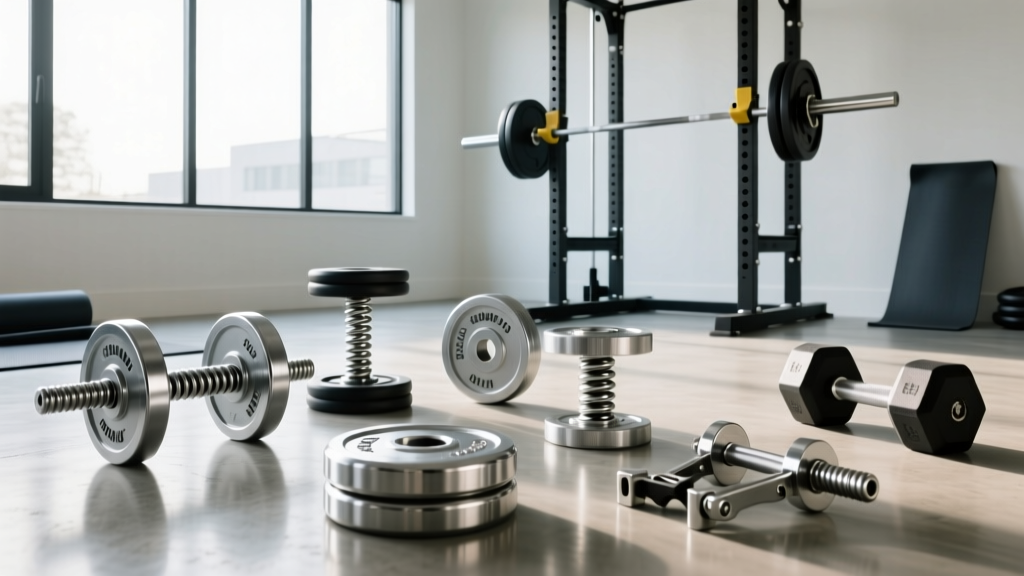
Barbell Collar Types: Beyond Dumbbell Exercises for Posture
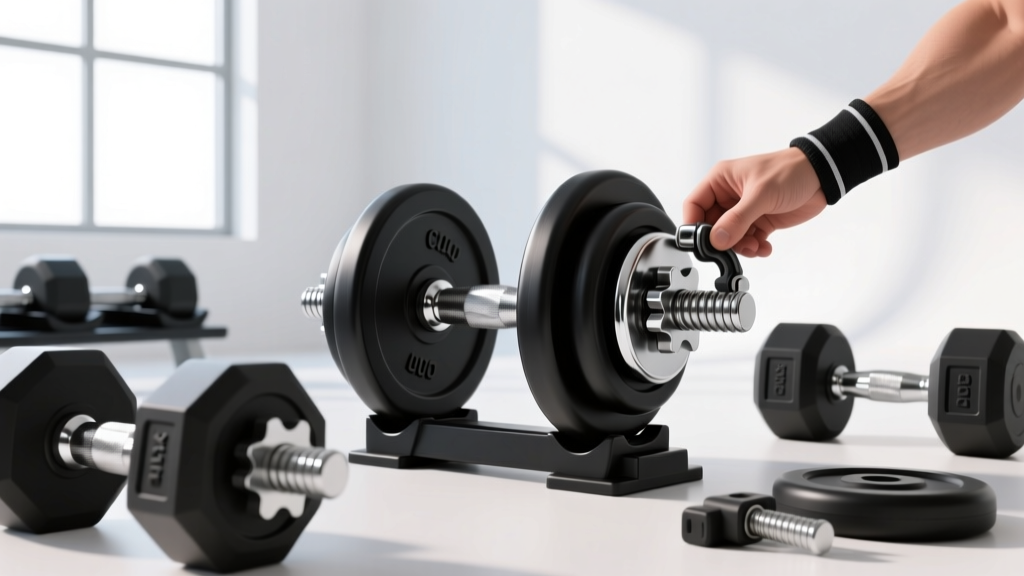
Collar & Clamp Types: Safe Gear for a Full Dumbbell Chest Workout
Dumbbell Pullovers Out? 2026 Cast Iron vs Competition Kettlebell Guide