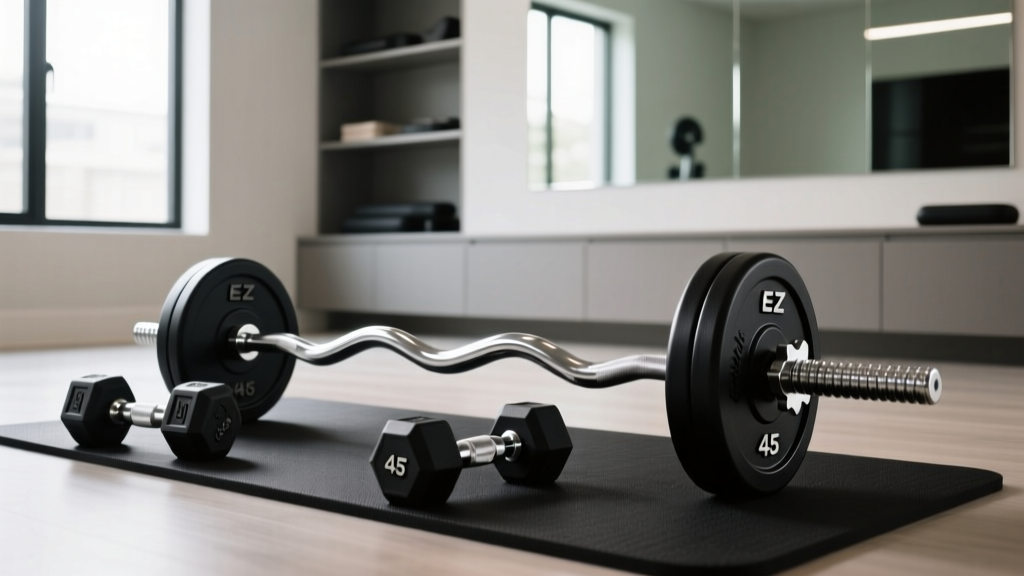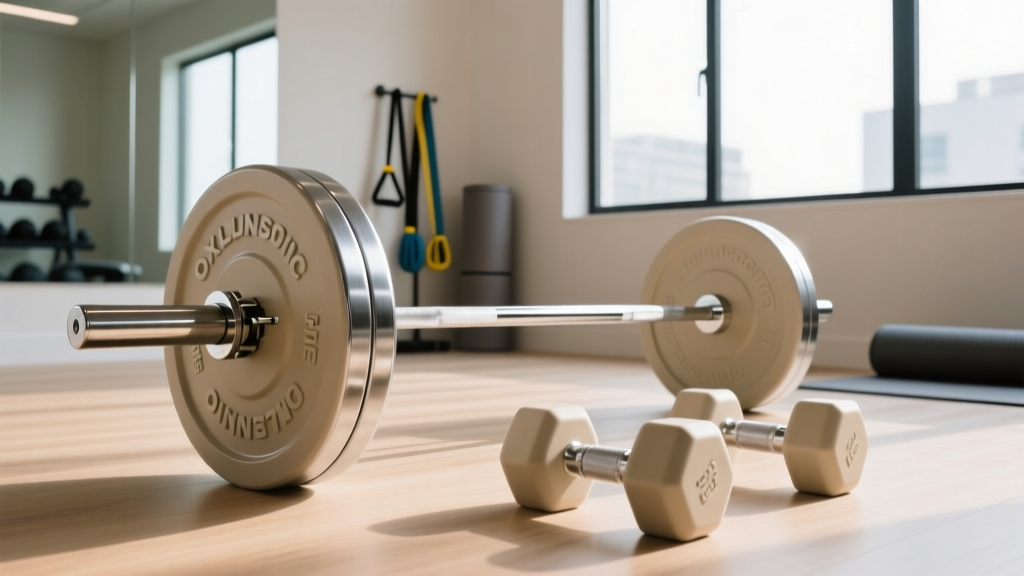
Olympic Barbell Knurling Guide: Pairing Steel With Beige Dumbbells
Master Olympic barbell weight and knurling choices for your 2026 home gym, and learn how to transition grip mechanics for aesthetic beige dumbbells.

The 2026 Aesthetic Home Gym Dilemma: Heavy Steel vs. Minimalist Design
If you have scrolled through any fitness community in 2026, you have undoubtedly noticed the explosion of the 'Japandi' and Scandi-minimalist home gym aesthetic. Gone are the days when home gyms had to look like gritty, chalk-dusted garages. Today, fitness enthusiasts are curating spaces that blend seamlessly with their living areas, heavily featuring neutral-toned accessories like premium urethane beige dumbbells, pastel kettlebells, and natural wood plyo boxes.
However, a beautiful aesthetic cannot compensate for a lack of progressive overload. While your beige dumbbells are perfect for lateral raises, tricep extensions, and light accessory work, building foundational strength requires a serious Olympic barbell. For beginners, navigating the highly technical world of barbell weight tolerances, shaft diameters, and knurling patterns can feel overwhelming. This step-by-step guide will demystify Olympic barbell specifications and teach you how to seamlessly integrate heavy compound lifts with your aesthetic accessory gear.
Step 1: Decoding Olympic Barbell Weight and Steel Tolerances
Before worrying about grip textures, you must understand the foundational physics of the barbell. According to the International Weightlifting Federation standards, a standard men's Olympic barbell weighs exactly 20kg (44.09 lbs) and measures 2.2 meters in length, while a women's bar weighs 15kg (33.06 lbs) with a slightly thinner shaft.
Expert Insight: Tensile Strength Matters
Do not buy a barbell based on weight alone. You must check the tensile strength, measured in PSI (pounds per square inch). This determines how much weight the bar can hold before it permanently bends.
- Under 165,000 PSI: Avoid. These will permanently bend under heavy squats or deadlifts.
- 190,000 PSI (The Sweet Spot): Ideal for 90% of lifters. Offers a perfect balance of durability and 'whip' (flex).
- 215,000+ PSI: Extremely rigid. Used by elite powerlifters who do not want bar oscillation during heavy squats.
For a beginner-to-intermediate lifter in 2026, the Rogue Ohio Bar (190k PSI, retailing around $295) remains the gold standard. It provides enough whip for dynamic movements while remaining rigid enough for heavy pressing.
Step 2: Navigating the Knurling Matrix
Knurling is the cross-hatched pattern machined into the steel shaft of the barbell. It exists to increase friction between the steel and your skin. As detailed in comprehensive barbell knurling guides by BarBend, the geometry of these microscopic metal peaks drastically alters your lifting experience.
| Knurl Profile | Geometry Shape | Aggression Level | Best Use Case | Example Model |
|---|---|---|---|---|
| Hill | Rounded, shallow peaks | Passive / Low | High-rep conditioning, beginners | Budget Amazon Bars |
| Mountain | Sharp, flat-topped peaks | Aggressive / High | Heavy deadlifts, powerlifting | American Barbell Elite |
| Volcano | Peaks with a small crater on top | Moderate / Grippy | All-around lifting, Olympic lifts | Rogue Ohio Bar |
Beginner Recommendation: Always opt for a Volcano knurl. It provides exceptional grip by biting into the epidermal ridges of your hands without tearing your calluses during high-volume sets. Mountain knurls will shred your hands if you are not accustomed to heavy barbell friction.
Step 3: The Grip Transition: Knurled Steel vs. Beige Dumbbells
Here is where the reality of the modern aesthetic home gym comes into play. You have just finished a grueling set of heavy Romanian Deadlifts with a volcano-knurled 28.5mm steel shaft. Now, you are moving to your isolation work: hamstring curls and goblet squats using your smooth, urethane-coated beige dumbbells.
'The biomechanical shift from a micro-textured steel barbell to a smooth, often thicker-handled urethane dumbbell requires immediate grip adaptation. Lifters often experience premature forearm fatigue when switching to aesthetic dumbbells because they lose the mechanical interlocking provided by knurling and must rely entirely on crush-grip friction.'
How to Manage Grip Fatigue Across Modalities
- Sequence Your Lifts Properly: Always perform heavy, knurled barbell compound movements first when your central nervous system and grip strength are fresh. Save the beige dumbbells for the end of your workout.
- Use Chalk Strategically: While chalk is essential for a steel barbell, it can actually make smooth urethane or silicone-coated beige dumbbells more slippery. Wipe your hands with a damp towel before transitioning to aesthetic accessories.
- Check Handle Diameters: Standard Olympic barbell shafts are 28mm to 29mm. Many lifestyle-focused aesthetic dumbbells feature thicker, ergonomic handles (sometimes up to 35mm) to reduce wrist strain. Be prepared for the increased grip demand.
Step 4: Budget Allocation for a Cohesive 2026 Setup
Building a gym that is both functional for heavy lifting and visually stunning requires strategic budgeting. Here is a realistic 2026 pricing breakdown for a beginner setup that bridges the gap between hardcore performance and living-room aesthetics.
- The Workhorse Barbell: $250 - $350 (e.g., Rogue Ohio Bar or Rep Fitness PR-1100). Do not skimp here; this is your primary strength tool.
- Bumper Plates: $200 - $300 for a basic 230lb set. Opt for matte black or minimalist white-lettered plates to maintain a clean visual profile.
- Aesthetic Accessory Weights: $150 - $400. Premium beige dumbbells (whether adjustable sets with neutral-toned casings or fixed urethane pairs from boutique fitness brands) carry a 'design tax'. Expect to pay 30-40% more than standard black rubber hex dumbbells.
- Storage Solutions: $100 - $150. A matte-black or birch-wood dumbbell rack is essential to keep your beige dumbbells off the floor and maintain the room's aesthetic integrity.
Frequently Asked Questions
Do I need a center knurl on my Olympic barbell?
If you plan on back squatting, a center knurl helps the bar grip your shirt and prevents it from sliding across your traps. However, many modern home-gym lifters opt for bars without a center knurl to avoid scraping their chest during front squats and cleans. For beginners, a subtle center knurl is highly recommended.
Can I use chalk on my beige dumbbells?
It is highly discouraged. Most beige dumbbells on the market in 2026 feature premium urethane, silicone, or soft-touch PVC coatings. Chalk will dry out these materials, cause discoloration, and create a slippery paste when mixed with sweat. Reserve the chalk for your steel barbell.
How do I maintain the knurling on my barbell?
Dead skin and chalk will quickly pack into the valleys of your knurling, turning a volcano profile into a smooth hill profile. Once a week, spray the shaft with a mild disinfectant and scrub it with a stiff nylon brush (never use wire brushes on bare steel or zinc-coated bars, as this strips the protective layer). Wipe it down with a microfiber cloth to keep the grip aggressive and hygienic.
More gear to consider
All reviews
Loadable Handles: The Best Dumbbell Hip Thrust Alternative

2026 Market Trends: Bumper vs Iron Plates & 15 lb Dumbbell Workouts

Power Rack vs Squat Rack vs Squat Stand: One Leg Romanian Deadlift Dumbbell Mistakes
Power Rack vs Squat Rack vs Stand: Seated Dumbbell Military Press
Olympic vs Standard Plates: Setup & Dumbbell Wall Rack Guide