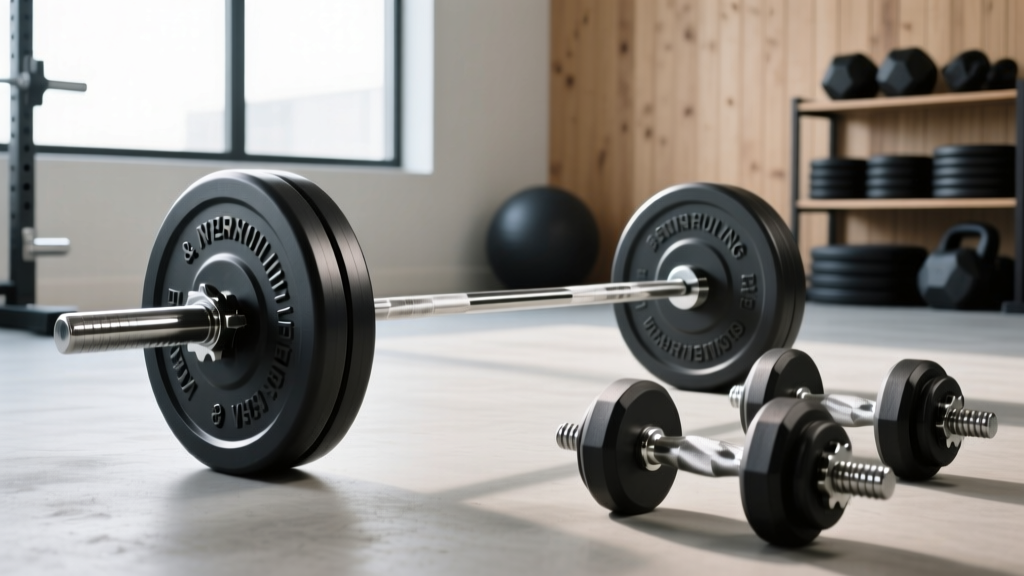
Barbell Buying Guide: Weight, Knurling & Underhand Dumbbell Fly
Master our beginner Olympic barbell buying guide covering weight, knurling, and tensile strength, plus a step-by-step underhand dumbbell fly tutorial.

Building a comprehensive free-weight setup in 2026 requires balancing heavy compound movements with targeted isolation exercises. For beginners, navigating the specifications of an Olympic barbell can feel like learning a new language, while mastering dumbbell mechanics is equally vital for muscular symmetry. This guide breaks down the exact metrics you need to evaluate when purchasing an Olympic barbell—focusing on weight, knurling, and steel quality—and pairs it with a step-by-step tutorial for the underhand dumbbell fly to ensure your chest development keeps pace with your heavy pressing.
2026 Market Benchmark: A high-quality, entry-level Olympic barbell with 190,000 PSI tensile strength and bronze bushings currently retails between $250 and $325. Avoid bars under $150, as they typically feature sub-160,000 PSI steel that will permanently bend under heavy squats or deadlifts.Step 1: Understanding Olympic Barbell Weight and Dimensions
Before looking at brands, you must understand the standardized dimensions of Olympic barbells. The term 'Olympic' refers to the 2-inch (50mm) diameter of the rotating sleeves, which accommodate standard Olympic plates.
- Men's Standard Bar: Weighs exactly 20kg (44 lbs). It measures 2,200mm in total length with a 28mm to 29mm shaft diameter. This is the default choice for most home gyms and commercial facilities.
- Women's Standard Bar: Weighs 15kg (33 lbs). It is slightly shorter at 2,010mm and features a thinner 25mm shaft, making it easier for lifters with smaller hands to hook-grip during Olympic lifts.
- Multi-Purpose Bars: Often weigh 20kg but feature a 28.5mm shaft and dual knurl marks (both IPF and IWF spacing) to accommodate both powerlifting and weightlifting.
Step 2: Decoding Knurling Patterns and Grip Mechanics
Knurling is the cross-hatched pattern machined into the steel shaft that provides grip. According to equipment testing by BarBend, the depth and geometry of the knurl drastically alter barbell performance and hand comfort.
| Knurl Profile | Geometry & Feel | Best Application |
|---|---|---|
| Volcano | Concave peaks that 'grab' the skin without tearing. Offers high surface area contact. | Multi-purpose, Powerlifting, Hypertrophy |
| Mountain | Sharp, aggressive, pointed peaks. Very abrasive and can tear calluses if not maintained. | Heavy Deadlifts, Competition Powerlifting |
| Hill | Rounded, shallow peaks. Feels smooth and is gentle on the hands but slips with heavy sweat. | Budget Bars, High-Rep Fitness, Beginners |
Center Knurl and Ring Marks
If you plan on back squatting, look for a bar with a center knurl (a strip of knurling in the exact middle of the shaft) to prevent the bar from sliding down your traps. Additionally, check the ring marks: IPF marks are 810mm apart (for bench press and squat legality), while IWF marks are 910mm apart (for snatch and clean & jerk).
Step 3: Steel Quality, Bushings, and Bearings
The longevity of your barbell depends on tensile strength, measured in Pounds per Square Inch (PSI). For a beginner to intermediate lifter in 2026, 190,000 PSI is the gold standard. Bars like the iconic Rogue Ohio Bar utilize 190k PSI steel, ensuring the bar whips slightly during dynamic movements but returns to perfectly straight under static loads.
Furthermore, the rotation mechanism inside the sleeve matters:
- Bronze Bushings: Provide a slow, controlled spin. Ideal for powerlifting (squat, bench, deadlift) and general strength training.
- Needle Bearings: Allow for a rapid, frictionless spin. Mandatory if you plan to practice Olympic weightlifting (snatches and cleans) where the bar must rotate quickly in your hands.
Step 4: Supplementing Heavy Pressing with the Underhand Dumbbell Fly
While your new Olympic barbell will handle heavy bench pressing, barbell work primarily targets the sternocostal head of the pectoralis major. To build a complete, aesthetic chest and target the clavicular (upper) head, the underhand dumbbell fly (also known as the supinated or reverse-grip fly) is an unparalleled isolation movement. The supinated grip increases biceps brachii involvement and forces the upper pecs to work through a deeper stretch.
Biomechanical Insight: According to exercise databases like ExRx, altering the grip from pronated (palms facing each other) to supinated (palms facing forward/upward) shifts the line of pull, heavily recruiting the anterior deltoids and the upper clavicular pec fibers during the concentric squeeze.
Step-by-Step Execution Guide
- The Setup: Lie flat on a bench or the floor. Hold a pair of light-to-moderate dumbbells (start with 10-15 lbs per hand to master the mechanics). Rotate your wrists so your palms face toward your head (supinated grip).
- The Starting Position: Press the weights up so they are directly over your chest. Keep a slight, fixed bend in your elbows—your arms should form a soft arc, not a locked-out straight line.
- The Eccentric Phase (Descent): Slowly lower the dumbbells out to your sides in a wide arc. Focus on feeling a deep stretch across your upper chest and the short head of your biceps. Stop when your upper arms are parallel to the floor to protect the shoulder capsule.
- The Concentric Phase (The Squeeze): Using your chest, pull the dumbbells back up along the same arc. Imagine you are hugging a large barrel. Do not let the dumbbells clash at the top; stop an inch apart to maintain continuous tension on the pecs.
- Rep Ranges: Perform 3 sets of 12-15 reps. This is a hypertrophy movement; leave your ego at the door and prioritize the mind-muscle connection over heavy weight.
Frequently Asked Questions
Do I need a Cerakote finish on my barbell?
Cerakote is a ceramic-polymer coating that provides industry-leading corrosion resistance. If your home gym is in a humid garage or basement without climate control, spending the extra $50-$80 for a Cerakote bar in 2026 is highly recommended to prevent rust. If your gym is climate-controlled, bare steel or black zinc is perfectly adequate.
Can I perform the underhand dumbbell fly on an incline bench?
Yes, but with caution. An incline of 30 to 45 degrees will further isolate the upper chest. However, the supinated grip places the biceps tendon in a stretched position under load. If you experience any anterior shoulder or bicep tendon discomfort on an incline, switch to a neutral grip (palms facing each other) or return to the flat bench.
How often should I clean my barbell knurling?
Use a stiff nylon brush and a light coat of 3-in-1 oil or mineral oil once a month. Never use WD-40, as it strips the protective oils and accelerates oxidation in the steel pores.
More gear to consider
All reviews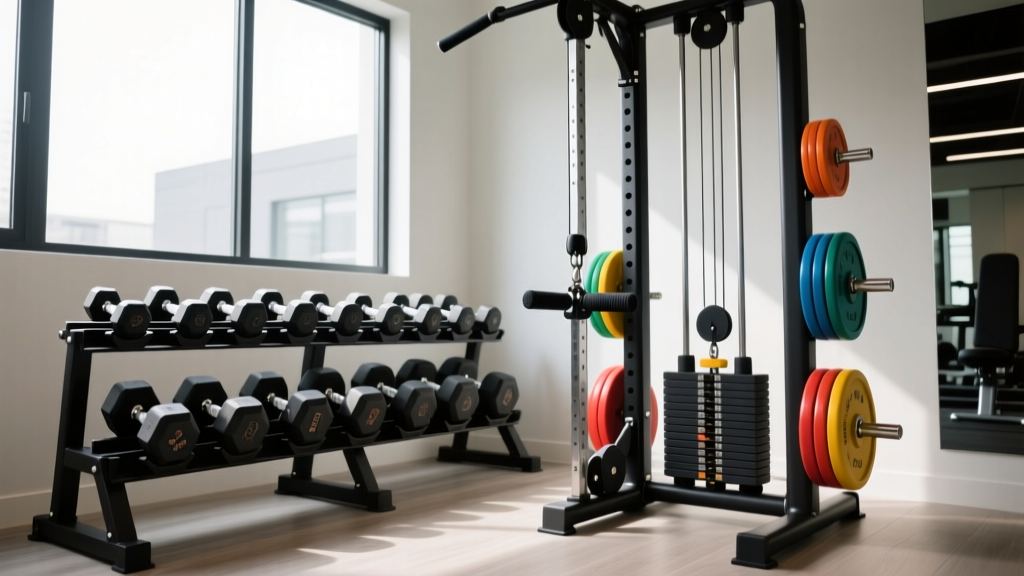
Compact Dumbbell Racks: Layouts for Pull Downs With Dumbbells
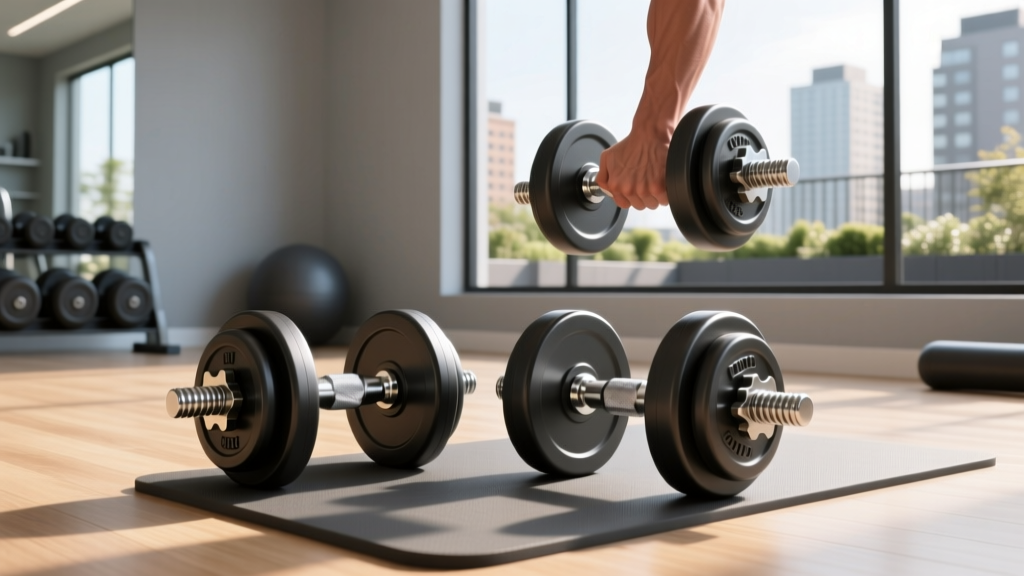
Best Loadable Dumbbells for the Incline Dumbbell Pullover (2026)

Best Loadable Dumbbells for the Dumbbell Flye: 2026

Dumbbell vs Barbell Setups: The Complete Barbell Collar & Clamp Guide

Bumper vs Iron Plates: Gym Layouts & Dumbbell Pullover on Floor
