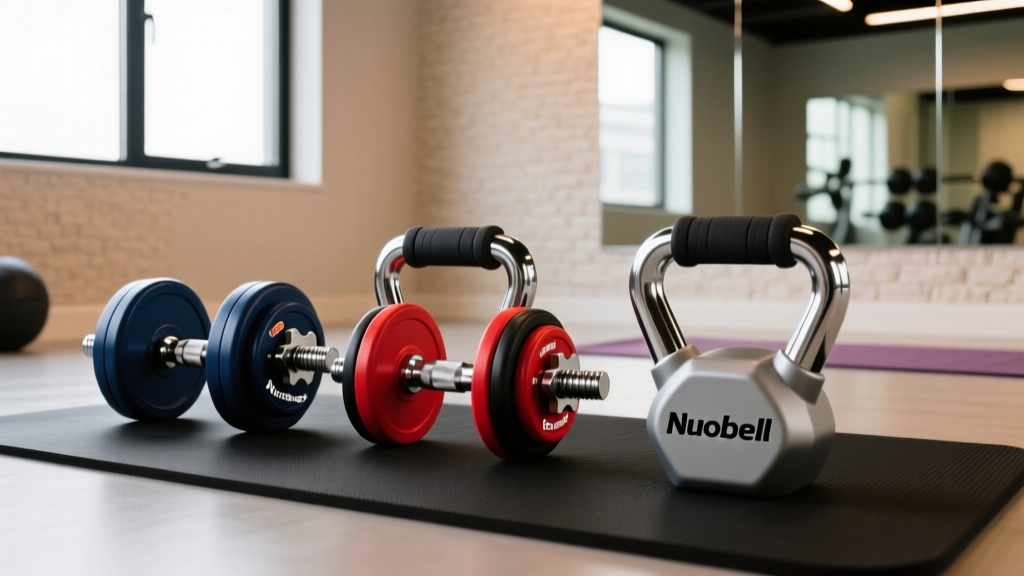
Iron vs Bumper Plates: Market Trends & Reverse Dumbbell Fly Setups
Analyze 2026 bumper plate vs iron plate market trends, pricing, and gym setups, including gear optimization for the reverse dumbbell fly.

The 2026 Free Weight Market: A Bifurcated Landscape
As we navigate the 2026 fitness equipment market, the free weights and racks sector has settled into a distinct bifurcation. The post-pandemic home gym boom has matured into a highly optimized hybrid fitness ecosystem. According to recent industry data from the Global Health & Fitness Association (IHRSA), commercial and premium home gym buyers are no longer purchasing generic weight sets; they are strategically segmenting their investments based on specific training modalities. On one side of the spectrum, Olympic weightlifting and functional fitness continue to drive the high-volume sales of virgin rubber bumper plates. On the other side, the resurgence of traditional bodybuilding and precision hypertrophy programming has sparked a renewed demand for calibrated cast iron plates and specialized dumbbell setups.
This market split is most evident when gym owners and serious home lifters evaluate their plate purchases against their accessory movement requirements. While heavy compound lifts dictate the need for durable, drop-safe bumpers, isolation movements—specifically the reverse dumbbell fly—require entirely different equipment ecosystems focused on micro-loading, ergonomic grips, and strict weight distribution. Understanding the technical and economic differences between bumper and iron plates is essential for optimizing both your budget and your training outcomes in 2026.
2026 Market Insight: The average cost per pound for premium virgin rubber bumper plates has stabilized at $1.65 - $1.95/lb, while machined cast iron plates currently hover between $1.20 - $1.50/lb. However, the hidden cost lies in barbell sleeve capacity and floor maintenance.Bumper Plates vs. Cast Iron: Technical & Economic Breakdown
To make an informed purchasing decision, we must look past the marketing copy and examine the material science and failure modes of both plate types. Bumper plates are manufactured from vulcanized rubber, designed to absorb the kinetic energy of a dropped barbell. Their durometer (hardness) rating varies by weight; lighter plates (10lb/15lb) feature a lower durometer to prevent bending, while heavier 45lb plates are much denser. Cast iron plates, conversely, offer a rigid, high-density profile that maximizes the amount of weight you can load onto a standard Olympic sleeve.
Specification & Pricing Matrix
| Feature | Virgin Rubber Bumper Plates | Machined Cast Iron Plates |
|---|---|---|
| Average 2026 Cost (per lb) | $1.65 - $1.95 | $1.20 - $1.50 |
| Thickness (45lb Plate) | ~3.25 inches | ~1.5 inches |
| Drop Tolerance | High (Designed for overhead drops) | Low (Will crack or damage flooring) |
| Barbell Sleeve Capacity | ~400-500 lbs (Limited by width) | ~600-800+ lbs (Slim profile) |
| Primary Failure Mode | Rubber tearing at the steel hub insert | Oxidation (rust) and enamel chipping |
For powerlifters and strongman athletes loading upwards of 500 pounds, the slim profile of iron plates is non-negotiable. Attempting to load six 45lb bumper plates onto a standard barbell sleeve will result in the plates overlapping the sleeve's lip, creating a dangerous leverage point that can bend the barbell or cause plates to slide off during heavy squats.
The Hypertrophy Shift: Accessory Movements & The Reverse Dumbbell Fly
While heavy plates dominate the compound lift conversation, the 2026 market has seen a massive surge in accessory equipment tailored for hypertrophy. The National Strength and Conditioning Association (NSCA) frequently highlights the importance of balancing anterior and posterior chain development to prevent shoulder impingements. This has brought the reverse dumbbell fly to the forefront of upper-body programming.
The reverse dumbbell fly targets the rear deltoids, rhomboids, and middle trapezius, operating primarily in the transverse plane. Unlike a barbell deadlift where bumper plates are essential for dropping the weight, the reverse fly requires strict, controlled eccentrics and precise micro-loading. Most lifters perform this movement with dumbbells ranging from 15 to 40 pounds. If you are utilizing a plate-loaded rear delt machine or adjustable dumbbells (like PowerBlock or Nuobell systems) to execute the reverse dumbbell fly, the physical dimensions of your weight plates become a critical factor.
Biomechanics and Gear Requirements
- Path of Motion: The reverse dumbbell fly demands a wide, unobstructed arc. Bulky bumper plates cannot be used on plate-loaded pec-deck machines for rear delt isolation because their 17.75-inch diameter and thick profiles cause the plates to collide with the machine's frame or the floor before the user reaches full range of motion.
- Weight Distribution: When using adjustable dumbbells for the reverse fly, the compact density of iron-based internal mechanisms allows the lifter to maintain a neutral or pronated grip without the center of mass shifting awkwardly, a common issue with poorly balanced adjustable gear.
- Joint Stress Mitigation: The American Council on Exercise (ACE) notes that excessive momentum during rear deltoid isolation leads to severe rotator cuff strain. Iron plates and precision dumbbells allow for incremental 2.5 lb jumps, ensuring lifters can strictly isolate the muscle without relying on the kinetic bounce of rubber.
'The rear deltoid is a small, easily overpowered muscle group. Attempting to overload the reverse dumbbell fly with momentum rather than precise, incremental weight increases is the leading cause of posterior shoulder dysfunction. Precision iron and calibrated dumbbells are vastly superior to bulky plate setups for this specific movement pattern.'
— Biomechanics & Hypertrophy Analysis, 2025-2026 Clinical Sports Reviews
Gym Owner Framework: Allocating the 2026 Equipment Budget
For commercial gym owners and premium home gym builders, balancing the budget between heavy Olympic gear and hypertrophy accessories requires a strategic framework. Based on current 2026 wholesale and direct-to-consumer pricing, here is an optimized allocation model for a $3,000 free weight budget:
- The Foundation (60% - $1,800): Invest in a high-quality set of virgin rubber bumper plates (10s, 15s, 25s, 35s, 45s) and a set of machined iron change plates (1.25, 2.5, 5, 10 lbs). The bumpers handle the drops from cleans and snatches, while the iron change plates allow for the micro-loading necessary for strict isolation work and upper-body pressing.
- The Hypertrophy Dumbbell Set (30% - $900): Allocate funds toward a targeted dumbbell rack ranging from 10 lbs to 50 lbs in 5 lb increments. This specific range covers 90% of users performing the reverse dumbbell fly, lateral raises, and bicep curls. Urethane-coated hex dumbbells are currently the market standard for durability and anti-roll safety.
- Storage & Racking (10% - $300): Do not neglect storage. A vertical A-frame dumbbell rack and a horizontal weight tree with dedicated UHMW plastic-lined saddles for your iron plates will prevent enamel chipping and extend the lifespan of your investment.
Edge Cases: Failure Modes and Maintenance
Understanding how your equipment fails is just as important as knowing how it performs. In 2026, the most common warranty claims for free weights involve environmental degradation and improper handling.
Warning: The 'Hub-Push' Phenomenon
When dropping bumper plates from overhead, the rubber compresses and pushes inward against the steel hub insert. Over time, this causes the hub to loosen or push completely through the plate, rendering it useless. To mitigate this, always ensure your barbell collars are tightly secured to distribute the lateral force, and avoid dropping 'dead-bounce' rubber plates on bare concrete without horse-stall mats.
Conversely, cast iron plates suffer from cosmetic and structural degradation if exposed to high humidity. Garage gyms in coastal or high-humidity regions must invest in powder-coated or e-coated iron plates rather than traditional painted enamel, which will chip upon impact and expose the raw iron to rapid oxidation. Furthermore, dropping iron plates—even from knee height—will permanently fracture standard concrete subfloors, leading to thousands of dollars in structural repairs.
Final Market Verdict
The 2026 free weight market demands a nuanced approach to equipment acquisition. The debate between bumper plates and iron plates is no longer about which is universally 'better,' but rather which is appropriate for the specific biomechanical demands of your training program. Bumper plates remain the undisputed champions of dynamic, floor-impact Olympic lifting. However, for the meticulous, joint-sparing world of hypertrophy—where the reverse dumbbell fly and other precise isolation movements reign supreme—compact iron plates, calibrated change weights, and ergonomic dumbbells offer unmatched performance, superior sleeve capacity, and better long-term economic value. By aligning your purchases with these distinct market realities, you can build a resilient, highly functional gym space that supports every facet of human performance.
More gear to consider
All reviews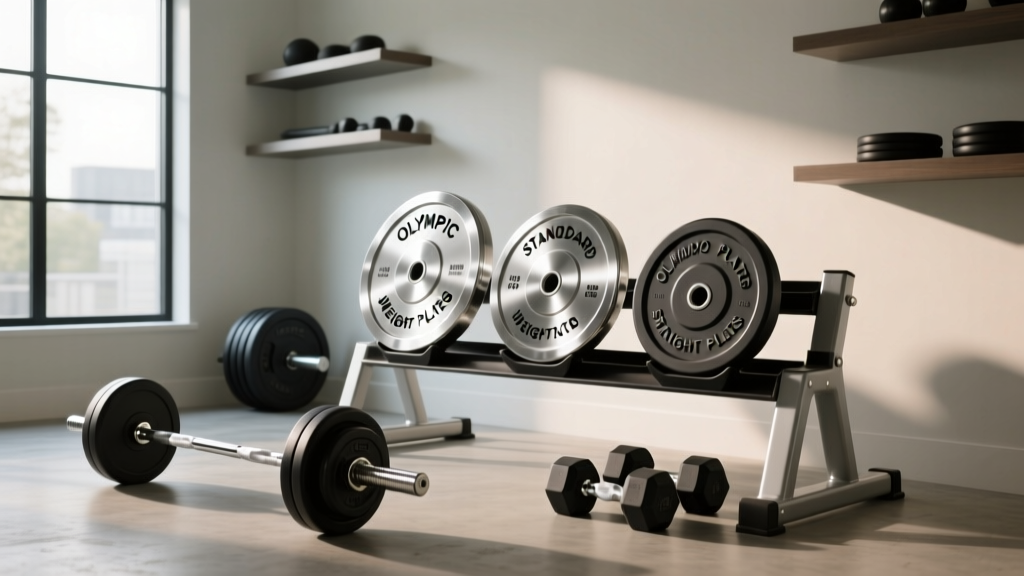
Olympic vs Standard Weight Plates: Upgrading Past Plastic Dumbbells

Olympic vs Standard Plates: 45 Dumbbell Mistakes Fixed

Maintaining Loadable Farmers Walk Dumbbells: A Longevity Guide
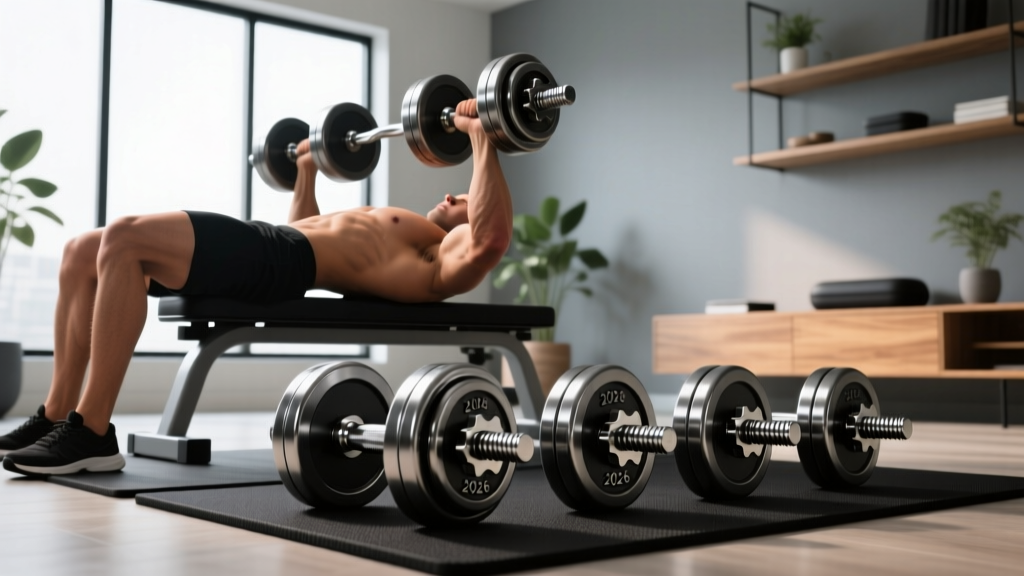
Collar Clamp Types Comparison & Dumbbell Chest Press Exercise Guide
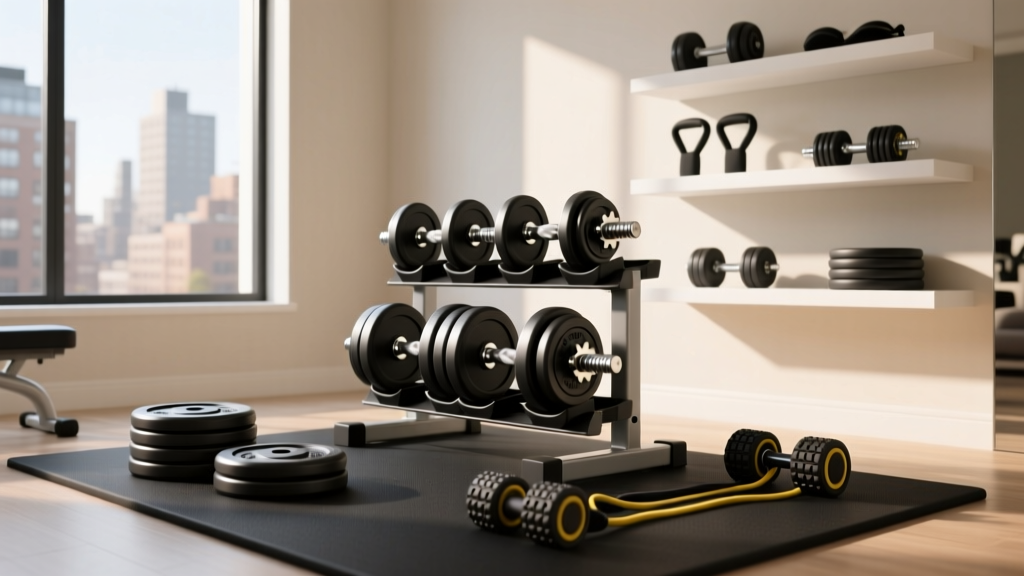
Space Optimization: Loadable Plates and Wrist Curls with Dumbbells