Neoprene Dumbbells for Toning: A Beginner's Step-by-Step Home Guide
Discover how to choose and use neoprene dumbbells for toning at home. This step-by-step beginner guide covers top models, weight selection, and routines.

The Beginner’s Blueprint to Neoprene Dumbbells for Toning
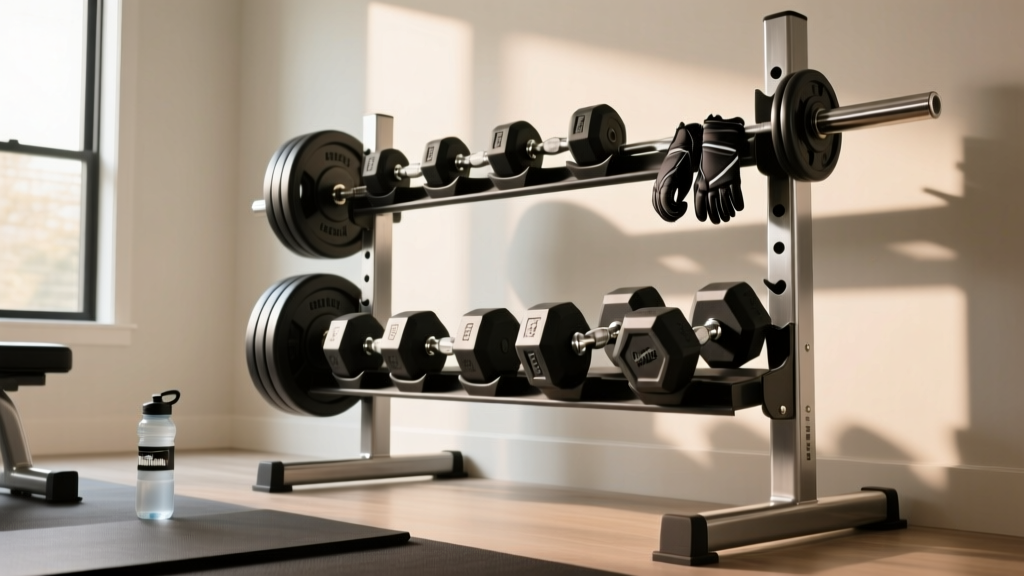
Walking into the world of home fitness can feel overwhelming, especially when faced with endless equipment options. If your primary goal is muscle definition and endurance—commonly referred to as 'toning'—neoprene coated dumbbells are arguably the best starting point. Unlike cold, knurled cast iron or bulky adjustable sets, neoprene dumbbells offer a comfortable, floor-friendly, and highly accessible entry into strength training.
In this comprehensive step-by-step guide, we will break down the material science of neoprene, how to select the exact weight you need based on current 2026 market offerings, and provide a structured routine to help you achieve your fitness goals safely from your living room.
Step 1: Demystifying 'Toning' and Muscular Endurance
Before buying equipment, it is crucial to understand the physiology of your goal. In the fitness industry, 'toning' is not a distinct biological process. According to Harvard Health Publishing, what most people perceive as toning is actually the combination of two factors: building muscular endurance (hypertrophy of Type I muscle fibers) and reducing the layer of subcutaneous fat hiding the muscle beneath.
Expert Insight: To achieve a 'toned' look, you do not need to lift maximum loads. Instead, you need to focus on higher repetition ranges (12 to 20 reps) with moderate to light resistance, keeping the muscle under tension for longer periods.
Step 2: Why Neoprene? (Material Comparison)
Neoprene, scientifically known as polychloroprene, is a synthetic rubber that provides a unique set of benefits for home gyms. It offers a slight 'tack' or grip-enhancing texture when your hands begin to sweat, which bare metal or smooth vinyl cannot match. Below is a comparison of common dumbbell coatings to illustrate why neoprene wins for beginner home use.
| Coating Material | Pros for Home Use | Cons & Failure Modes | Best For |
|---|---|---|---|
| Neoprene | Sweat-resistant grip, floor-safe, color-coded, quiet. | Can tear if dropped on sharp concrete edges; degrades with bleach. | Beginners, toning, high-rep home workouts. |
| Rubber (Virgin) | Highly durable, thick impact absorption. | Strong initial odor, heavier, often lacks ergonomic grip contours. | Heavy lifting, garage gyms, drop-heavy routines. |
| Urethane | Odorless, extremely durable, premium feel. | Very expensive (often 2x-3x the cost of neoprene), slippery when sweaty. | Commercial gyms, advanced lifters, low-rep strength. |
| Vinyl / PVC | Cheap, easy to wipe down. | Becomes dangerously slippery with sweat; seams split easily. | Ultra-budget buyers (not recommended for serious training). |
Step 3: Selecting the Right Weight for Your Routine
The CDC Physical Activity Guidelines recommend adults engage in muscle-strengthening activities at least two days a week. For toning and endurance, the Mayo Clinic suggests using a weight that tires your muscles after 12 to 15 repetitions. If you can easily complete 20 reps, the weight is too light; if you cannot maintain proper form by rep 10, it is too heavy.
Beginner Weight Selection Framework (2026 Pricing Averages)
- Upper Body Isolation (e.g., Lateral Raises, Tricep Extensions): Start with 3 lb to 8 lb dumbbells. (Average cost: $12 - $18 per pair).
- Upper Body Compound (e.g., Bicep Curls, Overhead Press): Start with 8 lb to 15 lb dumbbells. (Average cost: $18 - $28 per pair).
- Lower Body Compound (e.g., Goblet Squats, Romanian Deadlifts): Start with 15 lb to 25 lb dumbbells. (Average cost: $28 - $45 per pair).
Step 4: Top Neoprene Dumbbell Models for Home Use
Based on durability, grip ergonomics, and current market availability, here are the top three neoprene dumbbells for home toning routines.
1. Yes4All Neoprene Coated Dumbbells (Best Overall)
Yes4All dominates the home-fitness space for good reason. Their neoprene coating is a consistent 2.5mm thick, providing excellent floor protection and a secure grip. They utilize a strict color-coding system (e.g., Orange for 5 lbs, Green for 8 lbs, Blue for 10 lbs), making it easy to track your progressive overload. The hexagonal head prevents rolling, a vital safety feature for home spaces. Estimated Price: $18 - $24 per pair (5 lb to 8 lb range).
2. CAP Barbell Neoprene Dumbbells (Best Ergonomics)
CAP Barbell offers a slightly more contoured handle than standard cylindrical dumbbells, which reduces wrist strain during high-rep toning circuits. The polychloroprene coating is slightly thicker at roughly 3mm, making it highly resistant to chipping. However, they are often sold out in the highly sought-after 10 lb and 12 lb increments due to high demand. Estimated Price: $22 - $30 per pair.
3. Amazon Basics Neoprene Dumbbells (Best Budget Option)
For those strictly limiting their initial home gym investment, Amazon Basics provides a reliable entry point. The coating is slightly thinner (approx. 2mm) and the hex edges are sharper, meaning they are more prone to edge-splitting if dropped repeatedly on hard tile or concrete. They are best used on carpet or rubber matting. Estimated Price: $14 - $19 per pair.
Step 5: Your 3-Day Beginner Toning Routine
Follow this step-by-step full-body routine three times a week (e.g., Monday, Wednesday, Friday). Rest for 60 seconds between sets. Remember, the goal is muscular endurance, so keep your movements controlled and deliberate.
- Goblet Squats (Lower Body): Hold one dumbbell vertically against your chest. Squat until your thighs are parallel to the floor. 3 sets of 15 reps.
- Reverse Lunges (Lower Body): Hold a dumbbell in each hand by your sides. Step backward into a lunge. 3 sets of 12 reps per leg.
- Bent-Over Rows (Back & Posture): Hinge at the hips, keeping your back flat. Pull the dumbbells toward your hip crease, squeezing your shoulder blades. 3 sets of 15 reps.
- Overhead Press (Shoulders): Press the dumbbells overhead from shoulder height. Avoid arching your lower back. 3 sets of 12 reps.
- Lateral Raises (Shoulder Definition): Use lighter dumbbells. Raise arms to the side until parallel with the floor. 3 sets of 15 reps.
- Weighted Glute Bridges (Posterior Chain): Lie on your back, place a dumbbell across your hips, and thrust upward. 3 sets of 20 reps.
Step 6: Maintenance and Avoiding Common Failure Modes
Neoprene is incredibly durable, but it has specific chemical vulnerabilities that many beginners overlook. Improper cleaning is the number one cause of premature neoprene degradation.
Warning: The Bleach Mistake
Never clean your neoprene dumbbells with bleach, alcohol-based sanitizers, or harsh ammonia cleaners. These chemicals break down the synthetic rubber bonds, causing the coating to become permanently sticky, discolored, and eventually peel away from the cast iron core. Instead, wipe them down after every use with a microfiber cloth dampened with warm water and a single drop of mild dish soap.
Edge-Splitting and Drop Mechanics
While neoprene protects your floors, it does not make the dumbbell indestructible. The most common physical failure mode is 'edge-splitting' at the vertices of the hexagonal heads. This occurs when the dumbbell is dropped from shoulder height onto a hard surface (like concrete or ceramic tile), causing the cast iron core to shift slightly inside the rubber mold. Always lower your weights with control; this not only preserves your equipment but increases the 'time under tension' for your muscles, accelerating your toning results.
Frequently Asked Questions (FAQ)
Will light neoprene dumbbells make me 'bulky'?
No. Building significant muscle mass (hypertrophy) requires heavy loads, caloric surpluses, and specific genetic predispositions. Using lighter neoprene dumbbells for high-repetition endurance training will build lean muscle tissue and improve metabolic rate without adding bulky volume.
Can I use neoprene dumbbells for aerobic or cardio workouts?
Yes. Lighter neoprene dumbbells (1 lb to 3 lbs) are frequently used in cardio-sculpt classes, Pilates, and shadowboxing. The neoprene coating ensures they won't slip out of your hands when your heart rate elevates and you begin to sweat heavily.
How do I know when to upgrade my weights?
Apply the 'Two-for-Two Rule'. If you can successfully complete two extra repetitions on your final set for two consecutive workouts with perfect form, it is time to purchase the next weight increment up (usually a 2 lb to 5 lb jump).
By selecting the right neoprene dumbbells and adhering to a structured, high-repetition routine, you can effectively build muscular endurance, improve your joint health, and achieve the toned physique you desire—all from the comfort and privacy of your home.
More gear to consider
All reviews
Biceps and Triceps Workouts with Dumbbells: 2026 Urethane vs Rubber Hex Trends

Adjustable Dumbbell Review: Setup & The Perfect Dumbbell Rows GIF

Power Rack vs Squat Rack vs Stand for Gold Gym Dumbbell Set

Olympic Barbell Buying Guide: Weight, Knurling & Dumbbell V-Ups Setup

Best Neoprene Dumbbells for a Men's Full Body Dumbbell Workout 2026