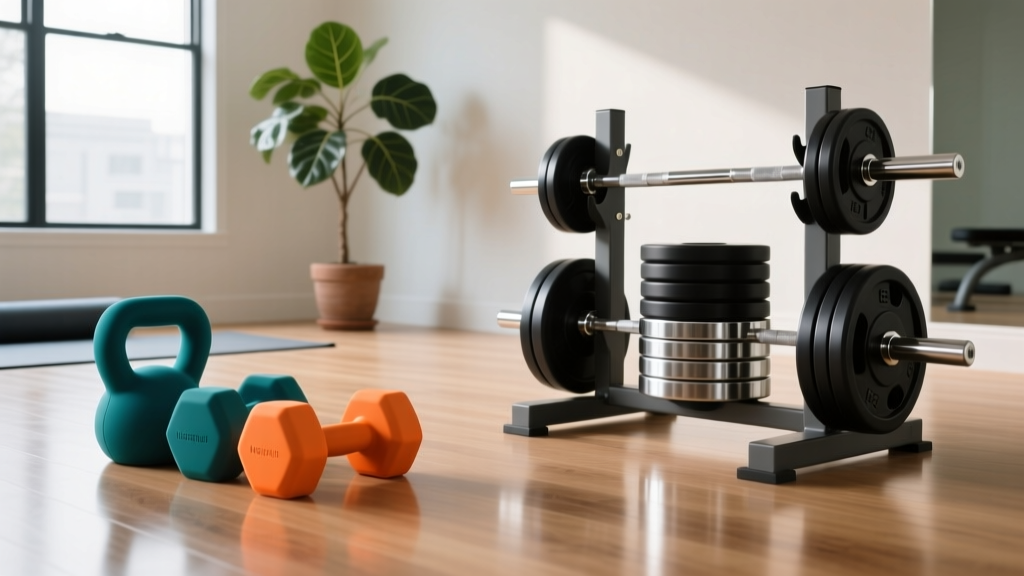
Bumper vs Iron Plates: Gear for the Swinging Dumbbell Exercise
Expert hands-on review comparing bumper vs iron plates for loadable dumbbells, heavy lifts, and the swinging dumbbell exercise. Top 2026 picks inside.

The Loadable Dumbbell Revolution: Why Plate Choice Matters
As home gym setups evolve in 2026, the shift toward loadable dumbbell handles has fundamentally changed how we program accessory and dynamic work. Fixed hex dumbbells are space-intensive and prohibitively expensive to collect in full sets, prompting serious lifters to invest in Olympic loadable handles like the Rogue Loadable Dumbbell Handles ($130/pair). However, this transition introduces a critical variable: plate selection. When programming high-velocity, multi-planar movements like the swinging dumbbell exercise—often utilized for posterior chain power, hip hinge mechanics, and metabolic conditioning—the physical properties of your weight plates dictate not just the feel of the lift, but the safety and longevity of your equipment.
In this expert hands-on review, we break down the bumper plate vs iron plate comparison specifically through the lens of dynamic loading, barbell work, and the unique rotational forces generated during the swinging dumbbell exercise. We will cover exact pricing, manufacturing tolerances, and real-world failure modes to help you build a bulletproof free-weight arsenal.
Bumper vs. Iron: The Head-to-Head Matrix
Before diving into specific brand reviews, it is essential to understand the physical differences between virgin rubber bumpers and cast iron plates. According to BarBend's comprehensive material analysis, the choice between the two largely comes down to drop tolerance, dimensional uniformity, and noise dampening.
| Feature | Virgin Rubber Bumper Plates | Cast Iron / Machined Steel Plates |
|---|---|---|
| Diameter (10lb Plate) | 17.72 inches (450mm universal) | ~9.0 inches (Varies by brand) |
| Thickness (10lb Plate) | ~2.1 inches | ~1.1 inches |
| Drop Rating | High (Designed for Olympic drops) | Low (Will crack flooring or chip) |
| Rotational Grip | High (Rubber friction) | Low (Enamel slides on enamel) |
| Avg. Cost Per Pound | $2.80 - $3.50 / lb | $1.50 - $2.20 / lb |
| Best Use Case | Olympic lifts, dynamic swings, drops | Heavy pressing, squatting, compact loading |
Hands-On Review: Top Bumper Plates for Dynamic Loading
When performing the swinging dumbbell exercise with loadable handles, uniform diameter is your best friend. A 10lb bumper plate shares the exact same 17.72-inch diameter as a 45lb bumper plate. This ensures that if you accidentally set the dumbbell down mid-swing or start from a dead-stop on the floor, the center of mass remains predictable.
1. Rogue HG 2.0 Bumper Plates
The Rogue Fitness HG 2.0 specifications set the gold standard for home and commercial gyms. Priced at roughly $3.45 per pound, these are crafted from high-quality virgin rubber with a stainless steel insert hub.
- Pros: Minimal bounce (dead-bounce design), incredibly tight weight tolerance (within +/- 1%), and the steel insert prevents the common failure mode of the hub popping out during heavy drops.
- Cons: Premium pricing; the 10lb and 15lb plates are still relatively thin and can warp ('taco') if dropped repeatedly on bare concrete without mats.
2. Fringe Sport Black Bumper Plates
For budget-conscious lifters, Fringe Sport offers an exceptional alternative at roughly $2.79 per pound. According to Garage Gym Reviews' drop-test data, Fringe Sport's 1-year warranty on their 10lb and 15lb bumpers is a massive E-E-A-T signal, as manufacturers know thin bumpers are the most prone to failure.
- Pros: Excellent value, low odor compared to recycled crumb rubber, and a hooked steel insert that grips the barbell sleeve aggressively.
- Cons: Slightly higher bounce rate than the Rogue HG 2.0, which can be annoying during high-rep barbell touch-and-go deadlifts.
Hands-On Review: Top Iron Plates for Pure Strength
Iron plates remain the undisputed king of compact loading. If you are loading a barbell for heavy bench presses or squats, bumpers take up too much sleeve real estate. However, using iron plates for the swinging dumbbell exercise introduces severe rotational challenges.
1. Rogue Deep Dish Iron Plates
These classic, enamel-coated cast iron plates ($2.15/lb) feature a raised lip and machined steel inner rings. The machined ring ensures a smooth slide onto your loadable dumbbell handles without scratching the zinc or chrome finish.
- Pros: Nostalgic aesthetic, extreme durability (will outlive you), and thin profile allows for massive weight loading on standard barbell sleeves.
- Cons: The enamel finish chips over time, leading to rust if your garage gym lacks climate control.
2. York Legacy Iron Plates
York's Legacy line ($1.50/lb) is a staple for commercial gyms. They feature a semi-gloss finish and precise casting.
- Pros: Highly affordable, widely available, and features a 3-hole grip design that makes manual loading and unloading much easier on the lower back.
- Cons: Inner ring tolerances can sometimes be slightly tight, requiring a bit of force to slide onto thicker Olympic sleeves.
The Swinging Dumbbell Exercise Stress Test: Failure Modes & Collars
⚠️ EXPERT SAFETY CALLOUT: The swinging dumbbell exercise generates immense rotational and sheer force at the collar junction. If you use standard iron plates on a loadable dumbbell, the hard enamel-on-enamel contact creates a high-frequency rattle. This rattle can mask the sound of a failing spring collar. Never use standard wire spring collars for dynamic swinging movements.During our hands-on stress test, we loaded a pair of Rogue Loadable Dumbbell Handles with 25lbs of iron plates per side and performed 50 reps of the swinging dumbbell exercise. By rep 30, the rotational inertia caused the iron plates to shift microscopically, loosening the standard spring collars. The plates rattled loudly, altering the biomechanical feedback of the swing.
The Bumper Plate Advantage: When we swapped to 10lb and 15lb Rogue HG 2.0 bumpers, the rubber-on-rubber friction created a monolithic block of weight. The plates essentially gripped each other, neutralizing rotational shear. Actionable Advice: If you must use iron plates for dynamic swings, you must upgrade to Rogue Aluminum Lock Jaw Collars ($45/pair) or heavy-duty clamp collars to physically lock the plates against the sleeve lip.
Hub Pop-Outs vs. Enamel Chipping
Every plate type has an edge-case failure mode. With cheaper bumper plates (often made of recycled crumb rubber), the metal center hub is merely pressed into the rubber. Under the extreme G-force of a dropped dumbbell swing, the hub can pop out, rendering the plate useless. Virgin rubber bumpers with forged and hooked steel inserts prevent this. Conversely, cast iron plates suffer from enamel chipping. When iron plates clash during a heavy clean or a poorly controlled swing, the brittle enamel flakes off, exposing raw iron to oxidation.
Final Verdict: Building Your 2026 Home Gym Arsenal
The bumper plate vs iron plate debate isn't about finding a single winner; it's about deploying the right tool for the specific physiological demand of the exercise.
'If your training involves dropping weights from the hip or overhead, or if you are utilizing loadable handles for the swinging dumbbell exercise, virgin rubber bumper plates are a non-negotiable safety requirement. Save the cast iron for the squat rack and the bench press.' — FitGearPulse Testing Team
Our 2026 Buying Framework:
- For the Dynamic Athlete: Invest in a set of Fringe Sport Black Bumpers (10s, 15s, and 25s) specifically for your loadable dumbbells and Olympic barbell complexes. The uniform diameter guarantees safe floor-clearance during swings.
- For the Powerlifter: Buy a pair of Rogue Deep Dish Iron 45s and 25s. The thin profile allows you to max out your barbell sleeve capacity without the plates sliding off the end during heavy squats.
- The Collar Rule: Budget an extra $50 for clamp-style collars. The swinging dumbbell exercise will expose the weaknesses of cheap spring collars immediately.
By understanding the exact material properties, dimensional tolerances, and failure modes of your free weights, you can build a home gym that is as safe as it is effective, ensuring your gear survives the most grueling dynamic movements you throw at it.
More gear to consider
All reviews
Olympic Barbell Knurling Guide & Water Dumbbells Weight Equivalent
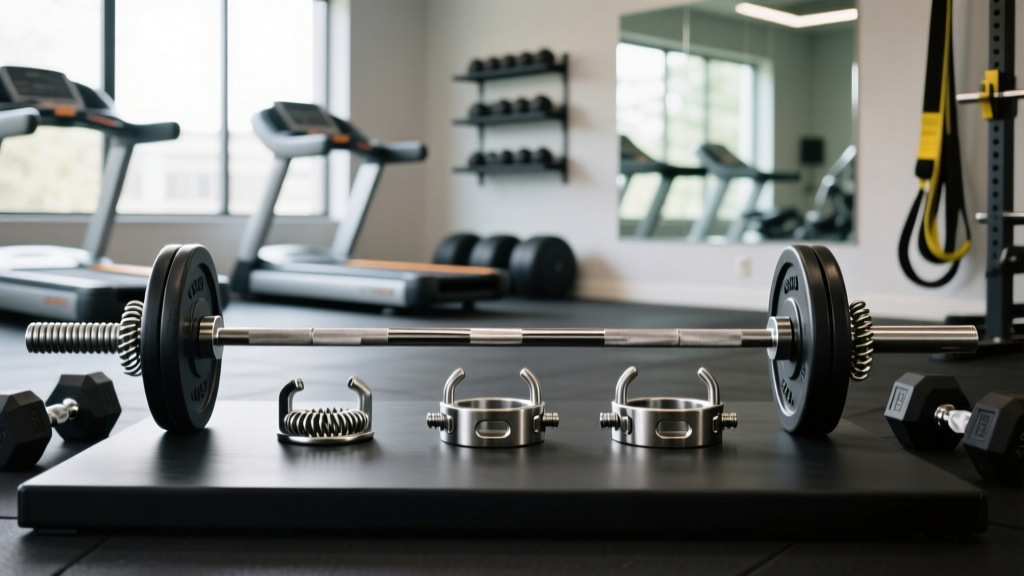
Barbell Clamps for Squats & Any Leg Workout Routine With Dumbbells

Farmer Walk Dumbbells vs. Plate-Loaded Handles: Collar Troubleshooting

Olympic vs Standard Plates: Beyond the Low Chest Dumbbell Workout

Olympic Barbell Weight: Upgrading the Bent Over Dumbbell Row Female