Master the Dumbbell Press Up: Neoprene Home Gym Setup Guide
Learn how to safely set up your home gym for the dumbbell press up using neoprene-coated weights. Includes mat installation, spacing, and safety tips.

The Biomechanical Advantage of the Dumbbell Press Up
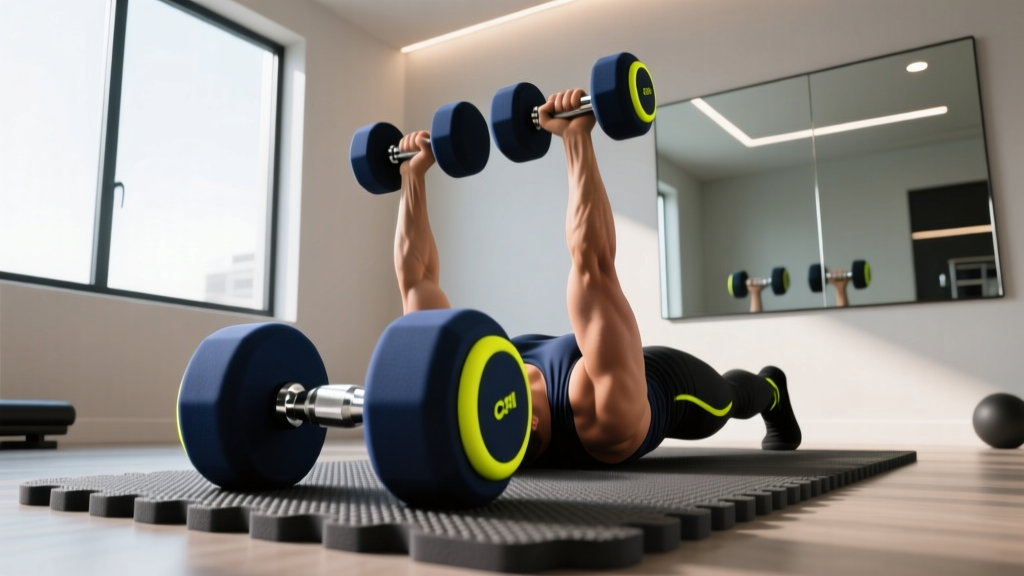
The dumbbell press up—performing push-ups while gripping a pair of dumbbells as parallettes—is one of the most effective upper-body movements you can integrate into a home gym. By elevating your hands, you allow for a deeper range of motion, increasing pectoral stretch and muscle fiber recruitment. More importantly, it solves a pervasive issue in home fitness: wrist pain. Standard floor push-ups force the wrist into 70 to 90 degrees of extension, which can compress the carpal tunnel and strain the distal radius. Gripping a dumbbell handle keeps the wrist in a neutral, stacked position (0 to 5 degrees of extension), transferring the load directly through the forearm bones.
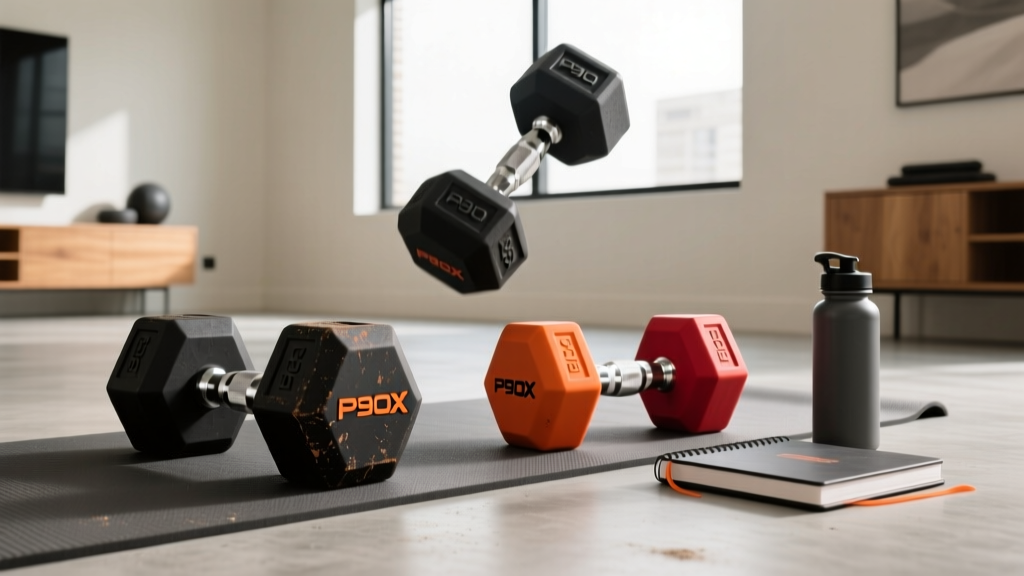
For home use, neoprene-coated hex dumbbells are the gold standard. The 2.5mm to 3mm synthetic rubber coating protects your hardwood or laminate floors from scuffs, dampens acoustic noise, and provides a tactile, sweat-resistant grip. However, simply buying a pair of neoprene dumbbells and dropping them on your living room floor is a recipe for injury and property damage. This complete setup and installation walkthrough will guide you through preparing your floor space, selecting the right gear, and calibrating your station for safe, heavy-duty dumbbell press ups in 2026.
Floor Preparation and Mat Installation Walkthrough
Before you place your neoprene dumbbells on the ground, you must install a proper sub-floor. Many beginners make the critical error of using 1/2-inch interlocking EVA foam puzzle mats. EVA foam is too soft; under the dynamic, asymmetrical load of a press up, the foam compresses unevenly, causing the dumbbell to tilt and potentially roll, leading to severe wrist sprains.
Step-by-Step Rubber Mat Installation
- Measure and Clear the Zone: You need a minimum dedicated footprint of 4 feet by 6 feet. Clear the area of all baseboard dust and debris.
- Select the Right Matting: Purchase a 3/4-inch (19mm) thick vulcanized rubber horse stall mat (typically 4x6 feet, costing between $50 and $80). The high durometer rating ensures zero compression under body weight.
- Acclimate the Rubber: Unroll the mat and let it sit flat for 24 hours. Vulcanized rubber has a memory; forcing it flat immediately can result in curled edges that create a tripping hazard.
- Secure the Perimeter: If placing the mat on a hard surface like concrete or hardwood, apply double-sided heavy-duty carpet tape along the outer edges to prevent the mat from sliding outward when you apply lateral force during wide-grip press ups.
- Sanitize Before First Use: Wipe down the mat with a diluted white vinegar solution to remove the factory release agents, which can make the surface dangerously slick when combined with sweat.
Equipment Selection: The Critical Safety Matrix
Not all neoprene dumbbells are created equal. When executing a dumbbell press up, the shape of the dumbbell head is a matter of orthopedic safety. According to biomechanical safety guidelines outlined by the Mayo Clinic Fitness Guide, maintaining a stable base of support is paramount to preventing joint shearing forces. Here is how hex and round neoprene dumbbells compare for this specific movement:
| Feature | Hex Neoprene Dumbbells | Round Neoprene Dumbbells |
|---|---|---|
| Anti-Roll Geometry | Excellent (Flat edges lock in place) | Poor (Cylindrical shape rolls on axis) |
| Wrist Safety for Press Ups | High (Stable base prevents twisting) | Critical Hazard (High risk of scaphoid fracture) |
| Floor Protection | High (Corners can be slightly sharper) | High (Smooth edges) |
| Average Cost (per lb) | $1.50 - $2.20 | $1.80 - $2.50 |
Spatial Calibration and Grip Setup
Proper installation of your workout zone extends beyond the floor mat; it requires precise spatial calibration of the equipment. The width of your grip dictates the muscular emphasis and shoulder joint health.
- Standard Pectoral Focus: Place the dumbbells exactly 110% of your biacromial width (shoulder width) apart. For an average male, this is roughly 20 to 22 inches between the inner edges of the handles.
- Triceps Emphasis (Close Grip): Bring the dumbbells to 12-14 inches apart, keeping elbows tucked at a 15-degree angle to the torso.
- Handle Alignment: Ensure the handles are perfectly parallel. Angling them outward (even by 5 degrees) places unnatural torque on the radioulnar joint during the concentric phase of the press up.
Executing the Perfect Dumbbell Press Up
With your 3/4-inch rubber mat installed and your hex neoprene dumbbells locked in parallel, you are ready to execute the movement. As noted in research regarding push-up variations published by Harvard Health Publishing, core rigidity is the primary failure point in elevated hand positions.
Form Cues for Maximum Tension
- The Grip: Wrap your thumb fully around the 35mm-40mm neoprene handle. Do not use a thumbless 'suicide' grip; the sweat on neoprene requires full carpal wrapping to prevent slipping.
- The Descent: Lower your chest until it passes the plane of the dumbbell handles. This extra 2-3 inches of depth is the primary benefit of the dumbbell press up, stretching the pec major under load.
- The Press: Drive through the knuckles, imagining you are trying to push the dumbbells together (without actually moving them). This creates an adduction force that maximizes chest contraction.
Expert Tip: Because neoprene has a slightly higher friction coefficient than bare cast iron or chrome, your calluses may tear more frequently during high-volume press up sets. Apply a liquid chalk or rosin block to the handles if you are performing sets exceeding 20 repetitions, rather than relying on bare, sweaty palms.
Neoprene Maintenance and Degradation Prevention
Neoprene is highly durable, but it is not invincible. In a home gym environment, the primary enemy of neoprene is not impact, but chemical degradation from sweat and improper cleaning agents. Human sweat contains urea, lactic acid, and sodium chloride. Over time, this acidic mixture breaks down the synthetic rubber, causing it to become sticky, peel, and eventually expose the raw cast iron core, which will then rust and stain your mat.
The 2026 Neoprene Care Protocol
- Daily Wipe Down: After every session, wipe the handles and heads with a microfiber cloth dampened with a 50/50 mix of distilled water and white vinegar.
- Avoid Harsh Solvents: Never use bleach, ammonia, or alcohol-based sanitizers on neoprene. These chemicals strip the plasticizers from the rubber, leading to micro-cracking within 6 to 8 weeks of daily use.
- UV Protection: If your home gym is in a sunroom or near a south-facing window, keep the dumbbells out of direct sunlight. UV radiation causes photodegradation, turning the vibrant neoprene coating brittle and gray.
- Storage: Store the dumbbells on a tiered A-frame rack rather than leaving them on the mat. Leaving them on the floor traps moisture between the rubber mat and the neoprene coating, promoting mold growth in humid climates.
Progressive Overload Setup
Once you can comfortably perform 3 sets of 20 dumbbell press ups with strict form, you must introduce progressive overload. Because you are using fixed-weight neoprene dumbbells as handles (rather than pressing the weight itself), increasing the dumbbell weight from 20 lbs to 50 lbs will not make the push-up harder; it will only make the dumbbells more cumbersome to move into position.
Instead, elevate your feet onto a sturdy plyo box or bench (12 to 18 inches high) to shift a greater percentage of your body weight onto your upper chest and anterior deltoids. Alternatively, invest in a weighted vest. By combining the joint-saving neutral grip of the neoprene hex dumbbells with a 20lb weighted vest, you create a home gym press up station that rivals the hypertrophy stimulus of a 225lb barbell bench press, all while preserving your wrist cartilage for decades to come.
More gear to consider
All reviews
Space-Saving Loadable Dumbbells for the Dumbbell Side Lateral
Budget Racks for Your Dumbbell Pullover Chest Workout Weights

Barbell Collar Types Comparison & Back Workout Dumbbells Only Guide

EZ Curl Bar vs Straight Bar: Space for an Abs Workout with Dumbbells

McGregor Dumbbell Review: Worth the Investment for Home Gyms?