Best Neoprene Dumbbells & Your 4-Week Dumbbell Exercise Schedule
Discover the best neoprene dumbbells for home use in 2026. Includes a material breakdown, comparison matrix, and a complete dumbbell exercise schedule.

The Case for Neoprene: Material Science Meets Home Gym Practicality
When outfitting a home gym, the free weights aisle presents a dizzying array of coatings: cast iron, chrome, rubber, urethane, and neoprene. For the majority of home users focusing on high-repetition endurance, physical therapy, or light metabolic conditioning, neoprene coated dumbbells remain the gold standard in 2026. But why? The answer lies in polymer chemistry.
Neoprene (polychloroprene) is a synthetic rubber that typically registers around 75 on the Shore A durometer scale. By contrast, premium urethane dumbbells sit closer to 90A. This lower hardness rating gives neoprene its signature 'tacky' grip, which excels at absorbing palmar sweat during high-rep sets without the need for gym chalk. Furthermore, the slightly compressible nature of the coating protects hardwood floors and baseboards from minor scuffs during lateral movements like renegade rows or walking lunges.
However, neoprene is not without its limitations. It is highly susceptible to UV degradation and petroleum-based solvents. Understanding these material constraints is the first step in making an informed purchase and designing a sustainable dumbbell exercise schedule that maximizes the lifespan of your equipment.
2026 Neoprene Dumbbell Comparison Matrix
As of early 2026, global supply chain stabilization has normalized the cost of synthetic rubbers, bringing the price-per-pound of quality neoprene dumbbells back down to the $1.40–$2.50 range. Below is a comparison of the top contenders for home use.
| Brand / Model | Weight Range | Avg Price / Lb | Handle Design | Best Use Case |
|---|---|---|---|---|
| CAP Barbell Neoprene (SDN Series) | 1 - 20 lbs | $1.45 | Contoured Chrome | Budget-friendly starter sets |
| Yes4All Neoprene Coated | 1 - 15 lbs | $1.60 | Hex Ergonomic | Group fitness & aerobics |
| SPRI Elite Neoprene | 1 - 20 lbs | $2.40 | Straight Knurled | Clinical rehab & precision work |
| Tone Fitness Soft-Feel | 2 - 10 lbs | $1.90 | Weighted PVC Core | Cardio-kickboxing & light toning |
Expert Tip: If you are purchasing sets above 12 lbs, prioritize models with a contoured or knurled chrome handle. The smooth, straight handles found on cheaper 15 lb+ neoprene bells can slip when grip fatigue sets in during lateral raises or tricep extensions.
Edge Cases & Failure Modes: When Neoprene Fails
Warning: Avoid These Common Neoprene Killers
- UV Exposure: Leaving neoprene dumbbells in direct sunlight (e.g., near a south-facing window or in a garage gym) breaks down the polychloroprene chains. Within 6 months, the coating will develop a chalky, white residue and begin to flake.
- Petroleum Cleaners: Never clean your dumbbells with Lysol, bleach, or ammonia-based wipes. These chemicals dissolve the binding agents in the neoprene. Use only mild dish soap and a damp microfiber cloth.
- Drop Testing: While the coating protects your floor, the internal cast-iron core can shift if dropped from chest height onto concrete. This causes 'seam splitting' where the metal handle meets the rubber casing.
The 4-Week High-Rep Dumbbell Exercise Schedule
Because neoprene dumbbells are generally capped at lighter weights (rarely exceeding 20 lbs per hand), they are not optimal for maximal strength or low-rep powerlifting. Instead, they are the perfect tool for metabolic stress and muscular endurance. According to a comprehensive meta-analysis published in the National Institutes of Health (NIH), training with low loads (30-50% of 1RM) to muscular failure yields hypertrophic outcomes comparable to heavy loading, provided the volume is equated.
To leverage your lighter neoprene set, we have designed a 4-week dumbbell exercise schedule that utilizes Time-Under-Tension (TUT) and AMRAP (As Many Reps As Possible) protocols to force muscle adaptation without needing 50 lb bells.
Weeks 1-2: Neuromuscular Adaptation & Tempo Control
The goal of the first two weeks is to maximize time-under-tension. You will use a 3-1-1-0 tempo (3 seconds eccentric/lowering, 1 second pause, 1 second concentric/lifting, 0 second rest at the top). This turns a lightweight 10 lb dumbbell into a highly effective hypertrophy stimulus.
- Monday (Upper Body Push/Pull): Tempo Push-ups (holding dumbbells for deep stretch) - 3x12; Tempo Bent-Over Rows - 3x15; Tempo Overhead Press - 3x12.
- Tuesday (Lower Body & Core): Tempo Goblet Squats - 4x20; Reverse Lunges - 3x12 per leg; Weighted Russian Twists - 3x30 seconds.
- Wednesday: Active Recovery (Yoga/Mobility).
- Thursday (Upper Body Isolation): Tempo Bicep Curls - 3x15; Tempo Tricep Kickbacks - 3x15; Lateral Raises - 4x12.
- Friday (Full Body MetCon): 20-Minute AMRAP of 10 Thrusters, 15 Renegade Rows, 20 Mountain Climbers.
Weeks 3-4: Metabolic Overdrive & Unilateral Stability
As your endurance improves, we shift from slow tempos to unilateral instability and density blocks. The Centers for Disease Control and Prevention (CDC) recommends adults engage in muscle-strengthening activities of moderate or greater intensity at least two days a week; this phase exceeds those baseline requirements to drive significant endurance adaptations.
- Monday (Unilateral Lower): Single-Leg Romanian Deadlifts (RDLs) - 4x12 per leg; Bulgarian Split Squats - 3x15 per leg; Calf Raises - 4x25.
- Tuesday (Upper Body Density): EMOM (Every Minute on the Minute) for 16 Minutes: Odd minutes = 20 Dumbbell Floor Presses; Even minutes = 20 Dumbbell Pullovers.
- Wednesday: Active Recovery.
- Thursday (Complex Training): 'The Armor Building Complex': 2 Cleans, 1 Press, 3 Squats. Perform continuously for 5 minutes. Rest 2 mins. Repeat 3 times.
- Friday (Endurance Burnout): 100-Rep Challenge. Pick 4 exercises (e.g., Curls, Lateral Raises, Tricep Extensions, Front Raises). Complete 100 total reps of each in as few sets as possible.
Sourcing, Storage, and Longevity
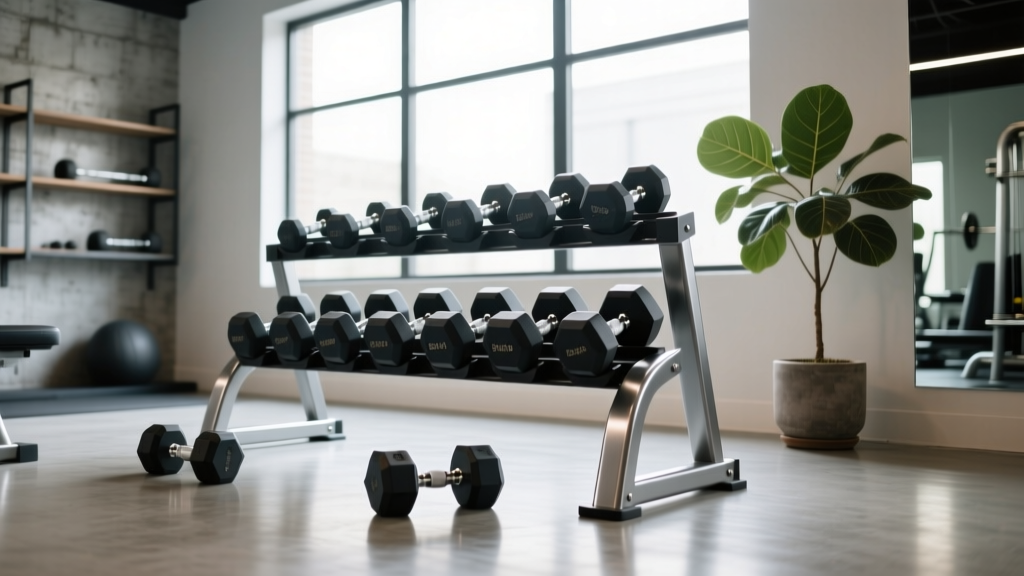
To ensure your neoprene dumbbells survive the rigors of this high-volume schedule, proper storage is non-negotiable. Avoid dumping them in a pile on the floor, which can cause micro-abrasions on the coating. Invest in a tiered A-frame rack or a wall-mounted saddle rack.
Furthermore, if you notice the neoprene becoming slick over time due to the accumulation of natural hand oils, wash the handles with a 50/50 mixture of white vinegar and water, followed by a clean water wipe-down. This restores the original tacky friction without degrading the polymer.
Expert FAQ
Can I build significant muscle with 10 lb neoprene dumbbells?
Yes, but only through metabolic stress. You must train close to muscular failure (leaving 1-2 reps in reserve) and utilize advanced techniques like drop sets, rest-pause sets, and slow eccentrics to compensate for the lack of mechanical tension.
Why do my new neoprene dumbbells smell?
Off-gassing is common with newly manufactured synthetic rubbers. Store them in a well-ventilated, climate-controlled room (away from direct sunlight) for 7-10 days before bringing them into your primary living space. The volatile organic compounds (VOCs) will dissipate rapidly.
Are neoprene dumbbells safe for outdoor workouts?
They are safe for temporary outdoor use, but prolonged exposure to UV rays and extreme temperature fluctuations will cause the neoprene to dry rot and crack. If you train in a backyard or park, bring them inside immediately after your session.
More gear to consider
All reviews
Setting Up Your Home Gym: Arm Dumbbells & Olympic vs Standard Plates

Amazon Basics Dumbbell Upgrade: Power vs Squat Rack Guide

Dumbbell Romanian Deadlift Care: Cast Iron vs Competition Kettlebells

Best Adjustable 50 Pound Dumbbells: 2026 Buying Guide
Single Arm Dumbbell Row Setup: Olympic vs Standard Weight Plates