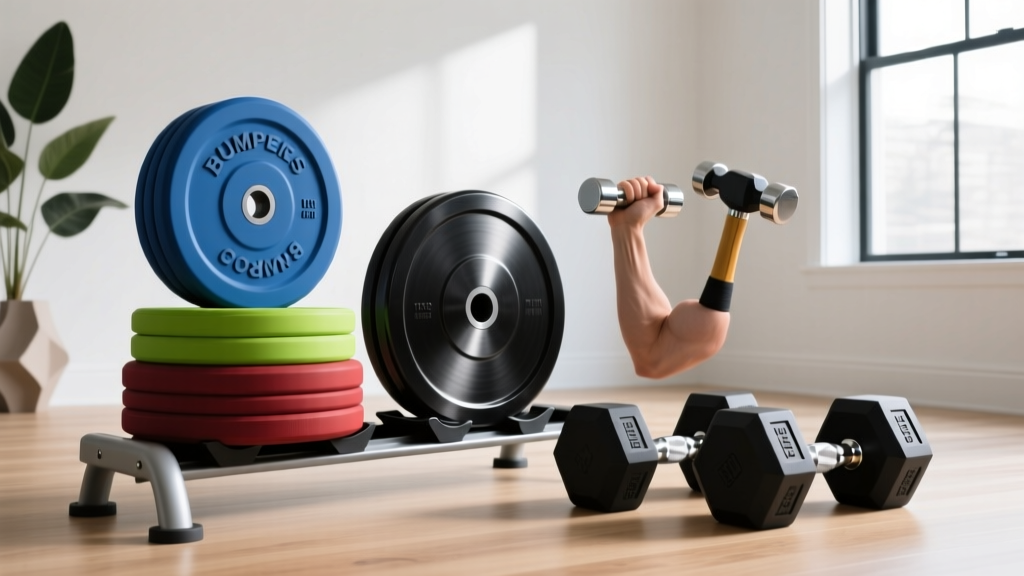
Rubber vs Urethane Care for Shoulder Workouts with Dumbbells for Men
Discover essential maintenance tips comparing rubber hex vs urethane dumbbells to maximize gear longevity during intense shoulder workouts with dumbbells for men.

The Biomechanical Toll of Shoulder Workouts on Dumbbell Heads
When designing a home gym or upgrading commercial equipment, the debate between rubber hex dumbbells and premium urethane dumbbells usually centers on budget and floor protection. However, from a maintenance and longevity perspective, the specific demands of shoulder workouts with dumbbells for men introduce unique stressors that drastically alter the lifespan of your gear. Overhead pressing, seated Arnold presses, and high-repetition lateral raises subject dumbbells to heavy axial loading, high-velocity micro-drops, and, most critically, severe sweat corrosion.
During heavy shoulder isolation movements, the dumbbell heads rest in close proximity to the axillary (underarm) and pectoral regions. According to equipment maintenance guidelines outlined by the National Strength and Conditioning Association (NSCA), human sweat is highly acidic (pH 4.5 to 7.0) and contains urea and lactic acid, which act as aggressive corrosive agents on both vulcanized rubber and exposed steel knurling. Understanding how rubber hex and urethane materials react to these specific biomechanical stressors is the key to protecting your investment in 2026 and beyond.
Expert Insight: The Overhead Drop Factor
Unlike bicep curls where dumbbells are lowered to the thighs, failure on heavy Z-presses or military presses often results in the dumbbells being dropped from shoulder or head height. This 3-to-4-foot vertical drop generates localized impact forces that test the tensile strength of the dumbbell's outer casing and the structural integrity of the steel-core bond.
Rubber Hex Dumbbells: Vulnerabilities and Upkeep
Rubber hex dumbbells (typically priced between $1.50 and $2.50 per pound) are the workhorses of budget-friendly home gyms. They are manufactured using vulcanized recycled rubber molded around a steel core. While excellent for deadening sound, they possess distinct failure modes when subjected to the rigors of frequent shoulder training.
1. UV and Ozone Degradation
If your home gym is in a garage or sunroom, exposure to UV light and ozone will cause the vulcanized rubber to undergo chain scission. This manifests as a chalky, grayish residue on the hex edges. When performing lateral raises, this degraded rubber can transfer onto your skin and clothing. Prevention: Apply a UV-blocking rubber protectant (like 303 Aerospace Protectant) every six months, and keep the dumbbells out of direct sunlight.
2. Edge Chipping and Seam Splitting
The hexagonal design creates hard, 120-degree angles. When dropped from overhead during a grueling set of push presses, these corners absorb the brunt of the kinetic energy. Over time, the rubber can chip, or the molding seam can split, exposing the inner steel core to moisture. Once the core rusts, it expands, causing the rubber to bulge and eventually tear away from the handle.
3. Odor Retention and Sweat Breakdown
Recycled rubber is porous. During high-rep shoulder routines, sweat drips directly onto the medial head of the dumbbell. If not wiped down, the lactic acid breaks down the rubber's surface oils, leading to a permanent, sour odor and a sticky, degraded texture.
Urethane Dumbbells: Premium Durability and Hidden Flaws
Urethane (polyurethane elastomer) dumbbells represent the gold standard for commercial and high-end home gyms, commanding $4.00 to $7.00+ per pound. Brands like Eleiko and Rogue utilize virgin urethane, which offers superior material science benefits, as detailed in Eleiko's premium urethane manufacturing standards. However, they are not immune to the specific wear patterns of shoulder training.
1. The Achilles Heel: Handle Oxidation
While the urethane heads are virtually impervious to sweat, UV light, and ozone, the steel handles are highly vulnerable. During shoulder workouts, your grip is constantly adjusting, transferring acidic sweat and dead skin cells deep into the knurling. If left uncleaned, galvanic corrosion occurs at the junction where the steel handle meets the urethane head. This 'crevice corrosion' is notoriously difficult to detect until the handle begins to pit and flake.
2. Cosmetic Scuffing vs. Structural Integrity
Urethane is incredibly tough and will not chip like rubber hex dumbbells when dropped from overhead. However, it is prone to cosmetic scuffing. Dragging urethane dumbbells across a textured floor or dropping them on bare concrete will leave permanent black scuff marks. While structurally sound, this degrades the aesthetic appeal of an expensive set.
Material Showdown: Degradation and Maintenance Matrix
To make an informed purchasing and maintenance decision, review the empirical data comparing how these two materials handle the specific demands of shoulder training.
| Feature | Rubber Hex Dumbbells | Virgin Urethane Dumbbells |
|---|---|---|
| Sweat & Acid Resistance | Low (Porous, absorbs odors, degrades) | High (Non-porous, wipes clean easily) |
| Overhead Drop Tolerance | Moderate (Hex edges prone to chipping) | Excellent (Absorbs and disperses impact) |
| UV / Ozone Stability | Poor (Chalks, dries out, cracks) | Excellent (Highly resistant to UV breakdown) |
| Handle Corrosion Risk | High (Sweat pools at rubber-steel seam) | Moderate (Sweat pools in deep knurling) |
| Average 2026 Cost | $1.50 - $2.50 / lb | $4.00 - $7.50 / lb |
| Primary Maintenance Need | Rubber conditioning & odor neutralizing | Knurling brushing & handle oiling |
The 5-Minute Post-Shoulder Session Care Protocol
To maximize the lifespan of your dumbbells, implement this targeted maintenance routine immediately after completing shoulder workouts with dumbbells for men. This protocol takes less than five minutes but prevents 90% of common equipment failures.
- Neutralize the Acid (Minutes 1-2): Never use bleach, ammonia, or harsh degreasers on rubber or urethane. Spray a microfiber cloth with a 50/50 mix of distilled water and pH-neutral dish soap, or use a specialized gym wipe. Wipe down the entire dumbbell head, paying special attention to the inner medial head where sweat drips during overhead presses.
- Clear the Knurling (Minutes 2-3): Use a stiff nylon brush (or a brass wire brush for severe buildup on steel handles) to scrub the knurling in a circular motion. This dislodges dead skin, chalk, and dried sweat that trap moisture against the steel.
- Protect the Steel (Minutes 3-4): Apply two drops of a high-quality protective oil (such as 3-IN-ONE or Boeshield T-9) to a dry rag. Wipe the handle down. Note: Avoid standard WD-40, as it is a solvent that will strip existing protective oils and accelerate long-term rusting.
- Climate Control Storage (Minute 5): Return the dumbbells to a rack in a climate-controlled environment. If using a garage gym, ensure a dehumidifier is running to keep ambient humidity below 50%, preventing flash rust on the handles overnight.
Restoring Neglected Gear: Edge Cases and Fixes
If you have inherited a neglected set of dumbbells or noticed early signs of degradation from your shoulder routines, specific restoration techniques can salvage the gear.
Fixing Chipped Rubber Hex Edges
If the hex corners have begun to chip from overhead drops, the exposed steel core will rapidly oxidize. Clean the exposed area with isopropyl alcohol, apply a rust converter (like Corroseal), and seal the chip with a flexible, heavy-duty polyurethane sealant (such as Sikaflex). This prevents moisture ingress and stops the rust from expanding under the remaining rubber.
Removing Surface Rust from Urethane Handles
If crevice corrosion has started near the urethane-steel junction, wrap the urethane head in a towel to protect it from abrasives. Use a fine-grade stainless steel wire brush attached to a rotary tool on a low RPM setting to gently remove the rust from the handle. Follow up immediately with a passivation treatment and a heavy coat of silicone-based protectant to reseal the metal pores.
'The longevity of free weights is rarely dictated by the weight itself, but by the microscopic environment at the junction of the handle and the head. Master the micro-climate of your knurling, and your dumbbells will outlast your lifting career.' — Rogue Fitness equipment material specs and engineering guidelines.
Final Verdict: Which Should You Choose?
For men executing rigorous shoulder workouts with dumbbells, the choice between rubber hex and urethane ultimately hinges on your budget and your willingness to perform post-workout maintenance. If you are on a strict budget and can commit to rigorous post-session wiping and UV protection, rubber hex dumbbells offer excellent functional value. However, if you frequently train to failure on overhead presses, drop your weights from shoulder height, or train in a high-humidity garage gym, the upfront premium for urethane dumbbells is entirely justified. Urethane's structural resilience against impact and sweat absorption makes it the undisputed champion of long-term longevity, provided you maintain a strict knurling-oiling regimen to protect the steel core.
More gear to consider
All reviews
Cast Iron vs Competition Kettlebells: Layouts & Dumbbell Lateral Row
Best Adjustable Dumbbells for Dumbbell Oblique Exercises: 2026 Guide

Best Hammer Curl Dumbbells: Rubber Hex vs Urethane

Best Beyond Hyperice: Top 7 Alternatives That Outperform in Recovery, Precision, and Value (2024)

EZ Curl Bar vs Straight Bar: Do You Need a Dumbbell Curls Machine?